
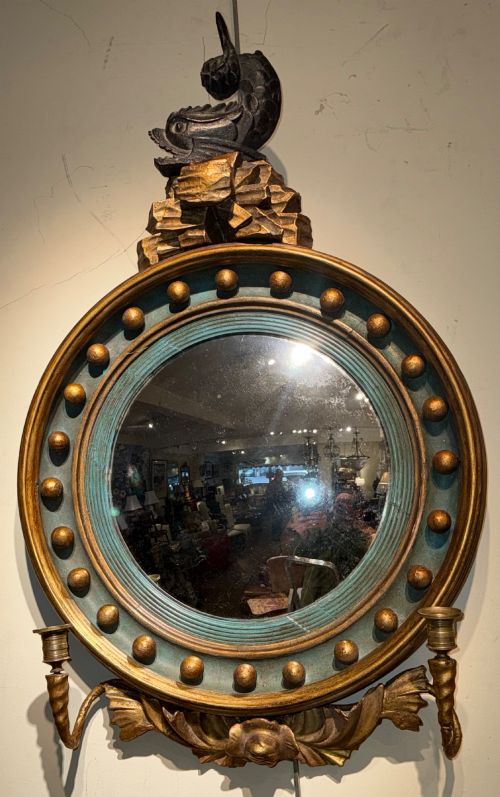


Regency Candle Sconces
Regency candle sconces bring sculptural grace and warm illumination to an interior, channelling the refined symmetry of the early nineteenth century.
Regency Candle Sconces
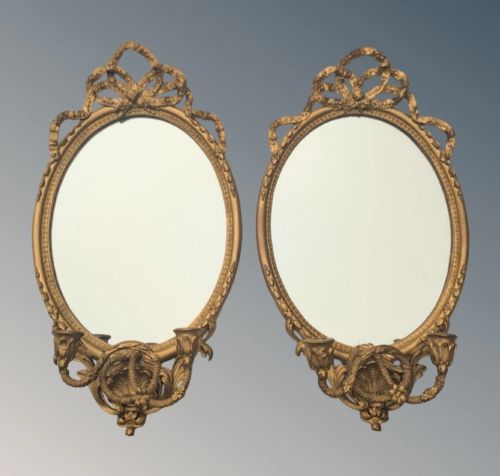
Regency candle sconces encompass wall-mounted light fixtures and adaptable mirrors equipped with arms designed to hold candles. Collectors encounter authentic examples alongside revival pieces created during subsequent decades.
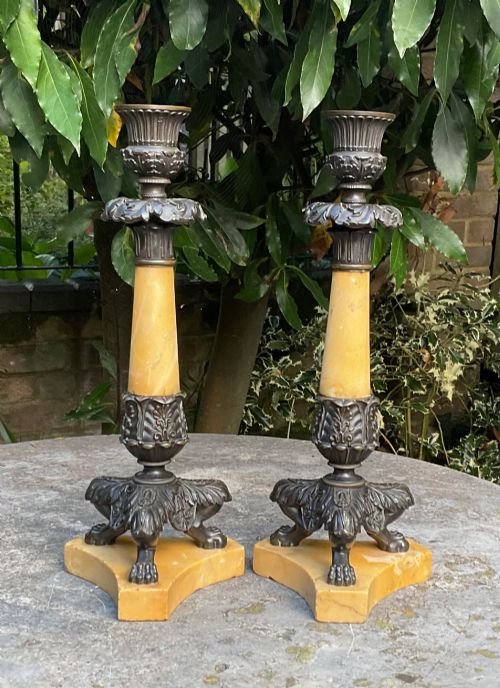
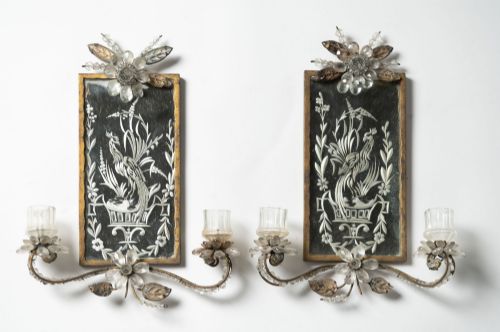
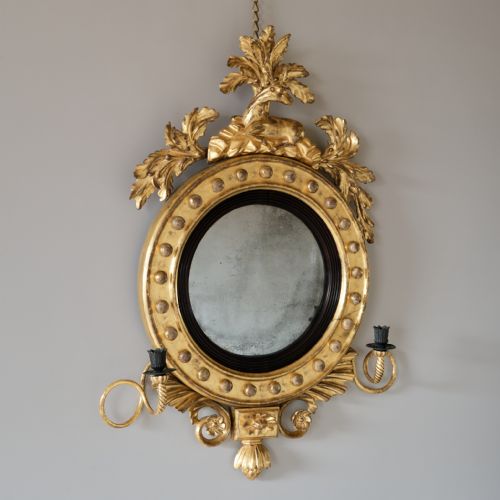
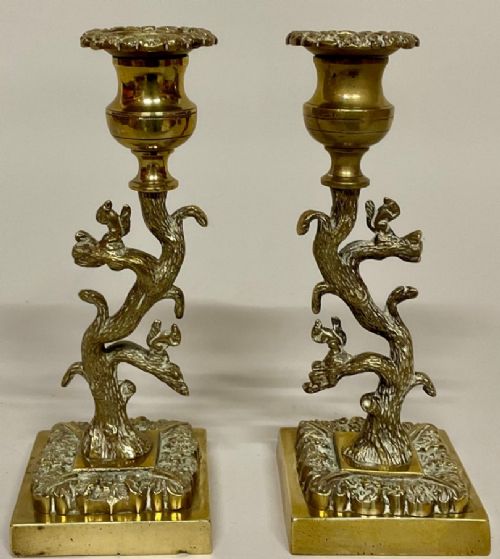
The selections on this page feature wall lights, girandole mirrors, and candlesticks adapted for illumination, spanning the original Regency period through to later twentieth-century interpretations.
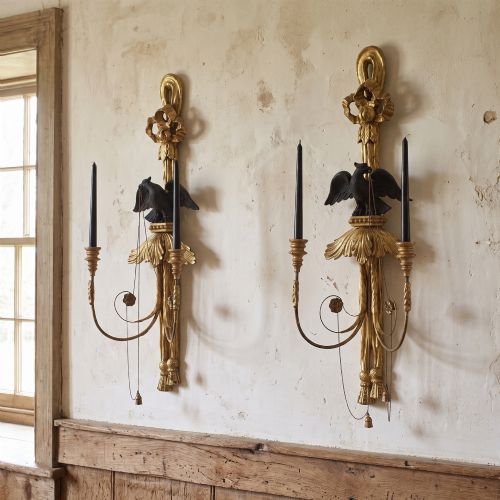
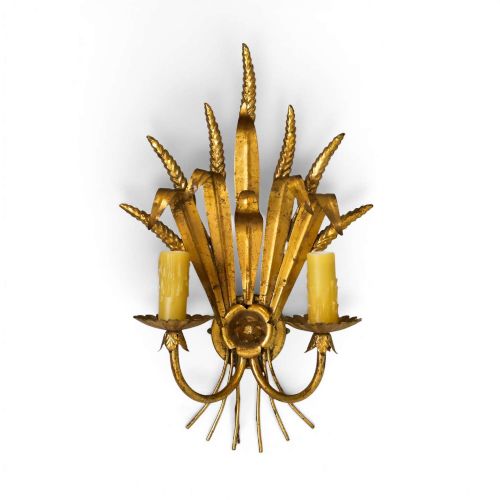
Forms range from simple brass twin arms to elaborate giltwood designs incorporating neoclassical motifs, convex glass, and patinated bronze figures.
Materials and Construction
Metalworking techniques dictate the structure of many pieces, utilising cast brass, bronze, and gilt metal shaped into twin arms and backplates. Gilding and silver plating frequently finish the metallic surfaces.
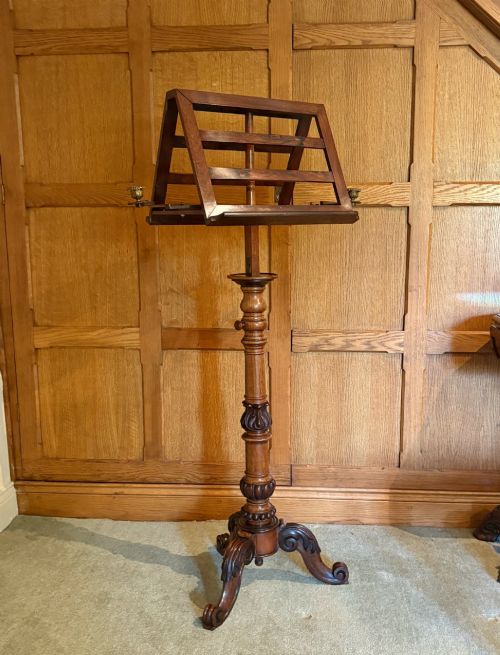
Mirrors integrate silvered convex glass plates that reflect candlelight effectively across a room, while specialised stands incorporate articulated brass candle holders.
Assessing Quality and Execution
The refinement of the casting and carving defines the upper tier of pieces, where details such as foliage, figures, and architectural motifs remain crisp and articulate. Lesser examples display softer lines and simplified surface decoration.
The integrity of the original gilding or patination separates superior specimens from heavily restored or later items. Surface finishes that retain their depth and authentic wear indicate careful preservation over generations.
Gillow·Maison Baguès
The Regency Candle Sconces Glossary
- Girandole
- A branched wall light, often incorporating a mirror that reflects the candlelight. These pieces combine reflective glass with functional candle arms.
- Convex Mirror
- A circular mirror with a curved glass surface that provides a wide-angle reflection of the interior. Frames often feature gilded ball ornaments and eagle crests.
- Ormolu
- Finely chased and gilt bronze used for decorative mounts and figural details. The technique creates a rich golden finish on metallic surfaces.
- Campana Sconce
- A candle cup shaped like an inverted bell, typical of classical revival designs. It secures the base of the taper securely.
- Neoclassical
- A style drawing inspiration from classical antiquity, characterised by symmetry, urns, and restrained ornamentation. It dominates the aesthetic of the period.
Regency Candle Sconces: Frequently Asked Questions
How do I mount antique wall sconces safely?
Wall sconces require secure fixings into solid masonry or wall studs due to the weight of cast brass, bronze, and giltwood. Professional installation ensures the bracket supports the fixture without damaging the plaster.
Positioning the lights at eye level maximises their reflective qualities and prevents glare from the candles.
Can these sconces be converted for electricity?
Many wall lights and sconces have been adapted for electric bulbs over time, while others retain their original candle fittings. Conversion depends on the hollow channels within the arms and backplates.
Consulting a specialist electrician preserves the antique wiring paths and maintains the structural integrity of the metalwork.
How should I clean giltwood and brass?
Giltwood surfaces require gentle dusting with a soft, dry brush to protect the delicate gold leaf layers from abrasion. Moisture can damage gesso and wood underneath.
Brass and bronze elements benefit from occasional wiping with a lint-free cloth, avoiding harsh commercial polishes that strip historical patina.
What distinguishes Regency style from George III pieces?
Regency design draws heavily on strict archaeological interpretations of Roman, Greek, and Egyptian antiquity, emerging during the early nineteenth century. George III style often displays more flowing Rococo or transitional classical influences.
Both styles frequently overlap in revival pieces produced during the early twentieth century.