



Regency Brass Music Stand
A regency brass music stand is a refined piece designed for holding scores, bringing classical elegance and brass detail to a room.
Regency Brass Music Stand
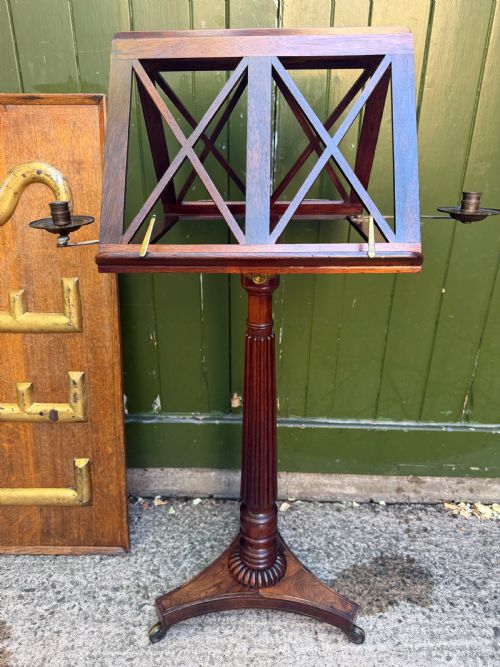
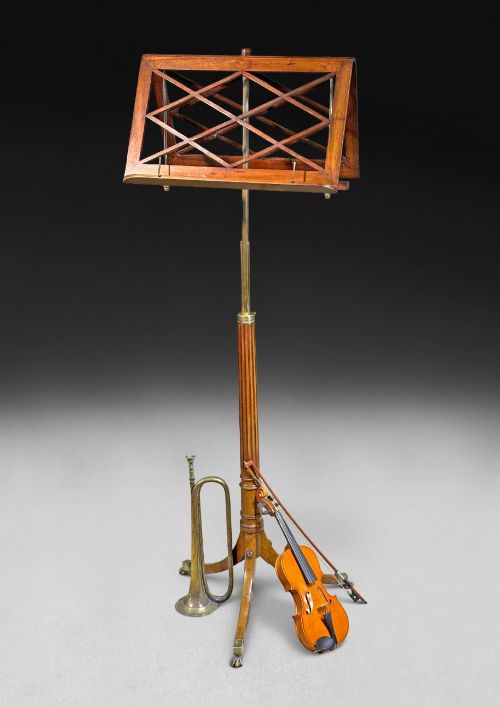
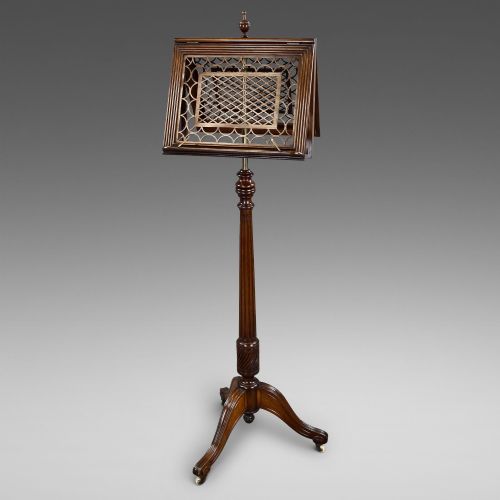
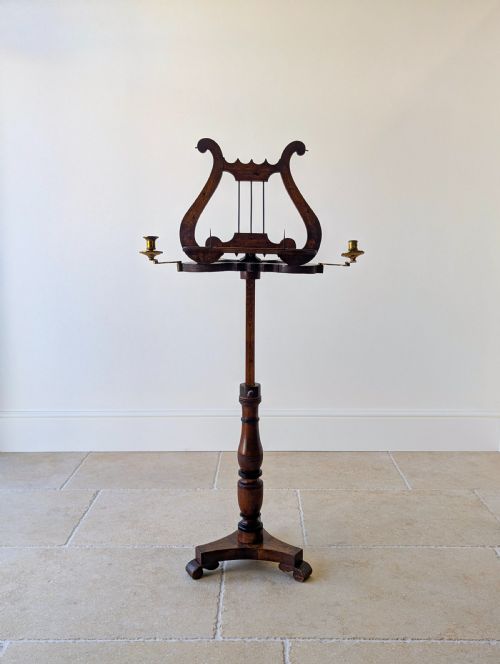
A regency brass music stand combines architectural timber frames with metal accents, serving as both a functional score holder and a decorative occasional table in period interiors.
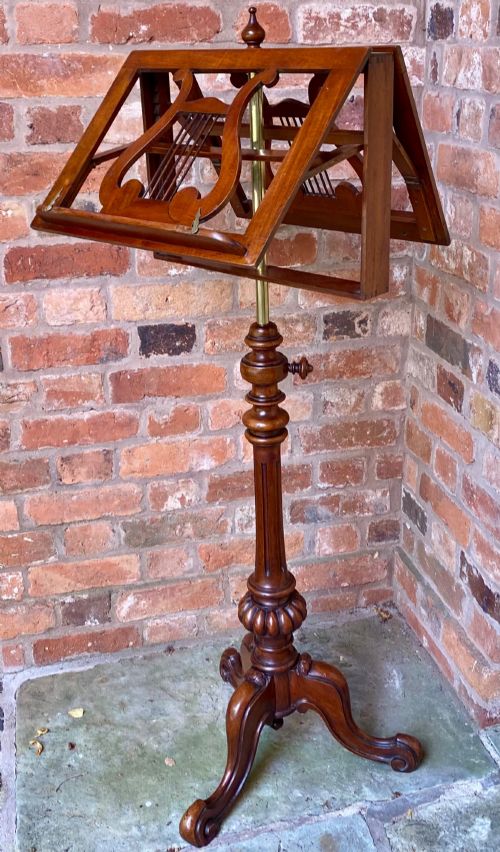
Most examples originate from the Regency and William IV periods, featuring classical proportions, lyre-form supports, and brass inlay details.
Materials and construction methods
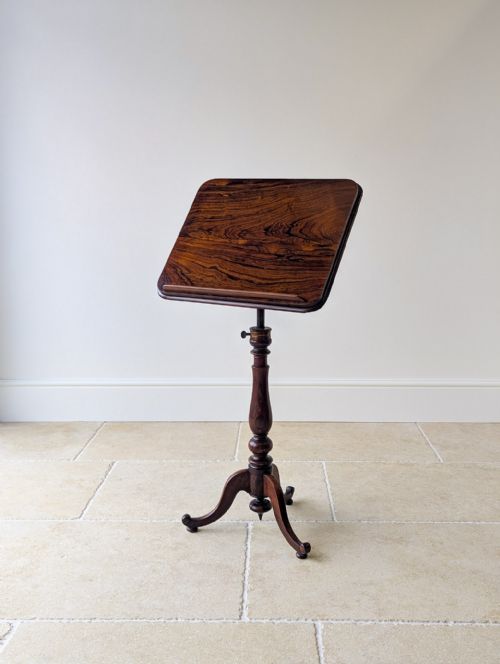
Cabinet makers utilised dense hardwoods like mahogany, rosewood, and walnut as the primary structural bodies, often applying satinwood inlay for contrast.
Brass formed an integral part of the construction, appearing as stringing, intricate inlay work, adjustable reading ratchets, and structural supports.
Regency Brass Music Stand Retail Price Guide 2026
Typical asking prices for regency brass music stand among the pieces listed under this phrase on Sellingantiques today, from the lower quarter to the upper quarter. They describe what is for sale here now, not the wider market.
Listings incorporate multiple wood types including mahogany, rosewood, walnut, oak, and burr walnut, accented with brass inlay.
Factors influencing quality and craftsmanship
The refinement of the timber and the precision of the brass inlay distinguish standard items from exceptional examples produced by leading cabinet makers.
Mechanical elements such as adjustable reading ratchets and pivoting mechanisms demonstrate the care taken in the original workshop construction.
GILLOWS·GILLOWS OF LANCASTER·J.C.LOUDON
The Regency Brass Music Stand Glossary
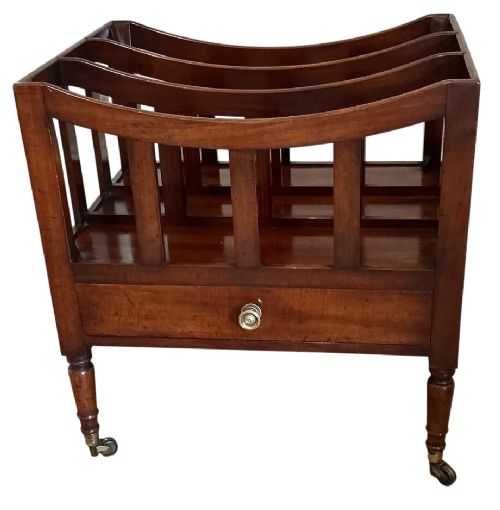
- Canterbury
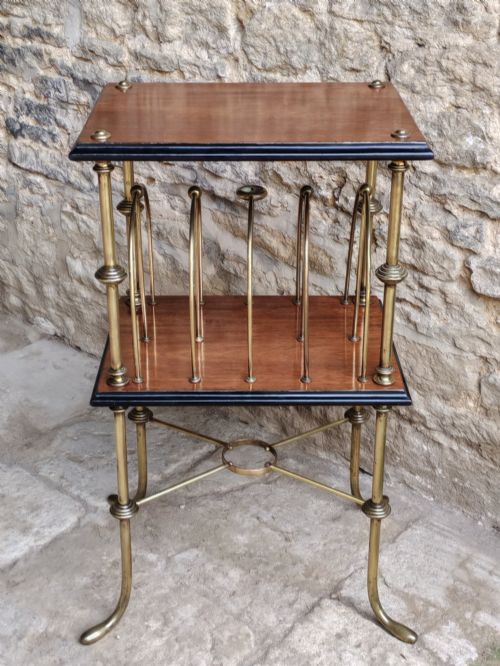
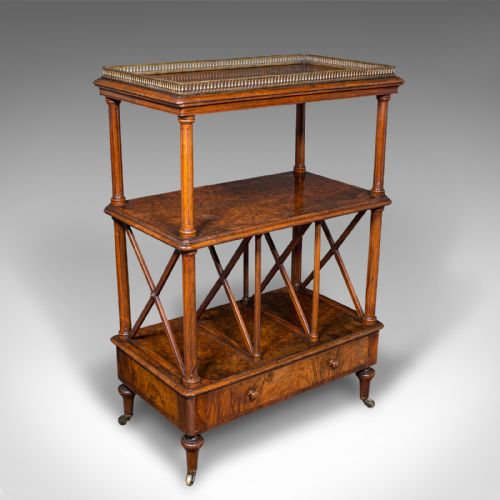
- A low stand with divisions used for holding sheet music, magazines, or newspapers. Originating in the late eighteenth century, these pieces often incorporate brass castors and carrying handles.
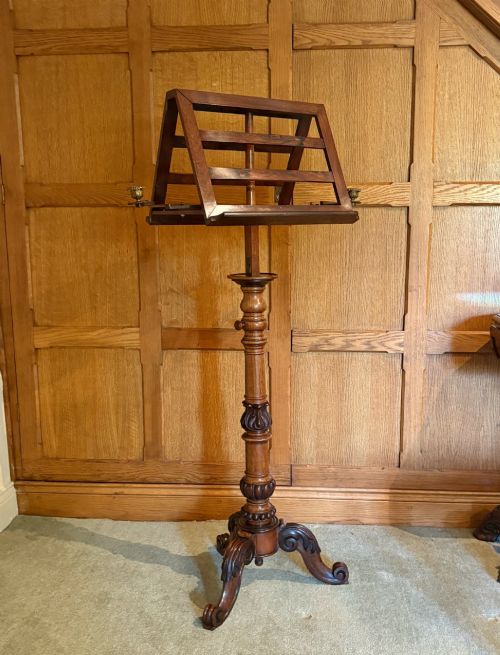
- Duet stand
- A music stand wide enough to accommodate two musicians reading from a shared score. These larger stands frequently feature adjustable reading desks supported on pillar and claw bases.
- Lyre-form
- A decorative motif shaped like an ancient musical lyre, commonly utilised in the central support column of music stands and card tables.
- Etagere
- A set of open shelves for displaying small objects or holding books and folios. They frequently appear in combination with drawer bases or lower rack compartments.
Regency Brass Music Stand: Frequently Asked Questions
What is a regency brass music stand used for?
These stands hold sheet music or folios at an adjustable angle for musicians during practice or recital.
Today, they also function as decorative display pieces or reading desks in studies and drawing rooms.
How do I identify a period piece?
Look for dense timber framing, traditional joinery methods, and genuine brass inlay or adjustable mechanisms consistent with nineteenth-century workshops.
Examine the patination on the wood and the wear on the metal components to gauge age.
Are these stands adjustable?
Many examples feature adjustable reading desks supported by ratchets or sliding brass stems.
This mechanism allowed musicians to alter the height and angle of the score to suit their seating position.
What woods were commonly used?
Cabinet makers predominantly selected rich timbers such as mahogany, rosewood, and walnut for their grain and durability.
Satinwood inlay and burr walnut veneers frequently appeared on finer pieces to add decorative contrast.