






Regency Brass Candelabra
Regency brass candelabra bring the brilliant candlelight of the early nineteenth century into a room, combining architectural brass with rich ormolu.
Regency Brass Candelabra
When you search for regency brass candelabra, you are looking at substantial lighting pieces designed for dining tables and mantelpieces during the nineteenth century. These objects combine cast brass, gilt bronze, and ormolu, often paired with cut crystal elements to multiply the flickering light of candles. The items encountered on this page span the 19th century and the Regency period, alongside later interpretations in Georgian style.
The forms vary from simple twin-arm configurations to elaborate structures with four arms and adjustable components. Alongside standard candelabra, the listings include related lighting such as lustres, chandeliers, and candelabra lamps converted for modern use. French Empire and Swedish Empire influences appear frequently, bringing classical ornamentation to English and continental brasswork.
How they were made
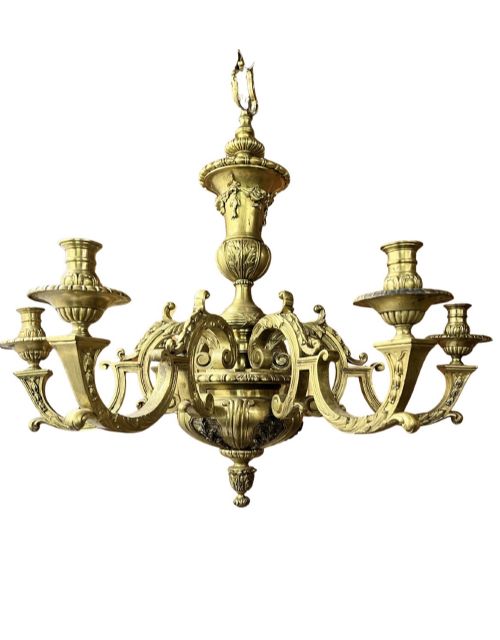
The construction relies heavily on cast brass, bronze, and gilt bronze, often highlighted with mercury gilding to achieve a deep, warm lustre. Makers combined patinated metal surfaces with bright ormolu accents to create striking visual contrast within a single piece.
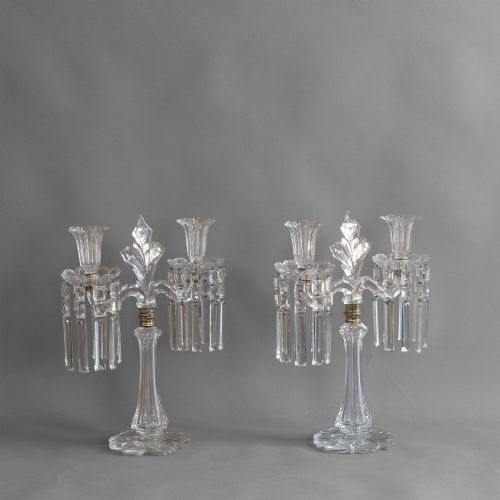
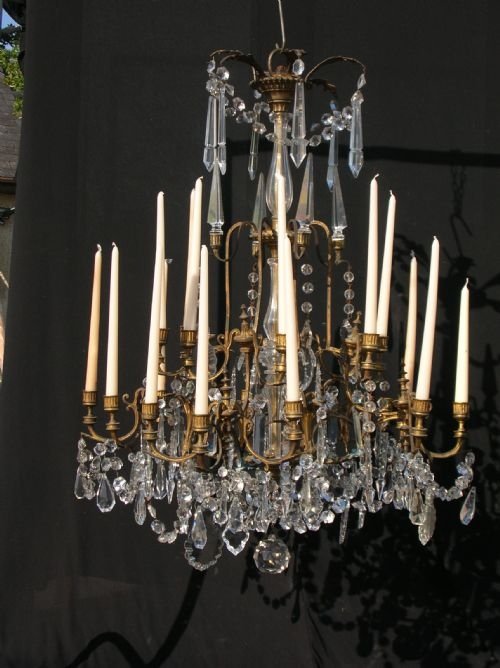
Cut crystal and cut glass pendants were suspended from arms and nozzles to refract the candlelight. Individual components were cast in separate sections and joined with threaded pins or screws, allowing for adjustable arms and intricate assembly.
Regency Brass Candelabra Retail Price Guide 2026
Typical asking prices for regency brass candelabra among the pieces listed under this phrase on Sellingantiques today, from the lower quarter to the upper quarter. They describe what is for sale here now, not the wider market.
Listings feature items from the 19th century alongside early 20th-century revivals in the Georgian style.
What varies in quality
The distinction between ordinary and exceptional pieces lies in the crispness of the metal chasing and the depth of the original gilding. Finer examples retain sharp botanical and classical motifs on the brass surfaces, whereas lesser pieces show softer, worn casting details.
The integration of materials also defines the hierarchy, particularly where bronze, ormolu, and cut crystal meet. Superior candelabra demonstrate secure, seamless joints and high-grade glass free from excessive clouding or heavy replacement.
The Regency Brass Candelabra Glossary
- Ormolu
- Gilded bronze produced by applying a mercury and gold amalgam to a bronze base and firing it. This technique creates a rich, matte gold surface characteristic of nineteenth-century luxury lighting.
- Lustre
- A small tabletop ornament featuring hanging crystal glass prisms designed to catch and reflect light. They often accompany candelabra in period settings.
- Patinated metal
- Metal that has undergone chemical treatment or natural ageing to darken the surface. This creates a dark contrast against bright gilt bronze mounts.
- Neoclassical
- A style drawing inspiration from classical antiquity, featuring symmetrical forms, urn motifs, and restrained ornamentation. It dominates the decorative language of Regency lighting.
Regency Brass Candelabra: Frequently Asked Questions
Are these candelabra wired for electricity?
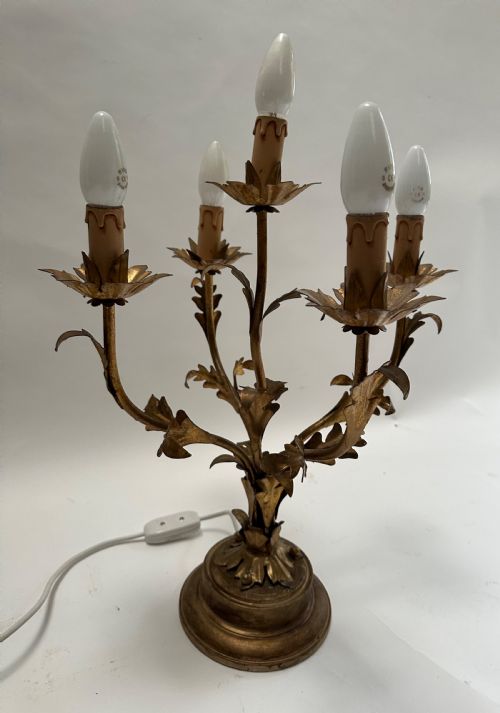
Many examples retain their original configuration for wax candles, while others have been converted into table lamps or standard lamps.
Check individual descriptions to determine whether a piece preserves its candle nozzles or houses electrical fittings.
What is the difference between ormolu and brass?
Brass is an alloy of copper and zinc used for the structural body of the candelabra.
Ormolu specifically refers to gilded bronze, possessing a heavier weight and a richer gold surface layer than standard brass.
How do I recognise the Regency period?
Regency items date from the early nineteenth century and typically display crisp classical proportions influenced by French Empire design.
Look for architectural motifs, bronze and ormolu combinations, and symmetrical branch arrangements.