



Regency Bench Seat
A regency bench seat brings architectural grace and refined seating to a hallway, drawing room or garden.
Regency Bench Seat
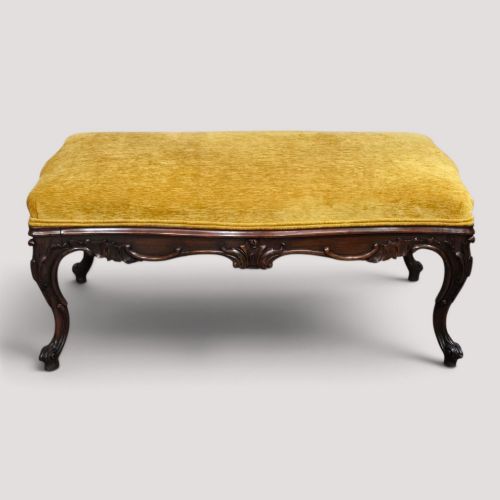
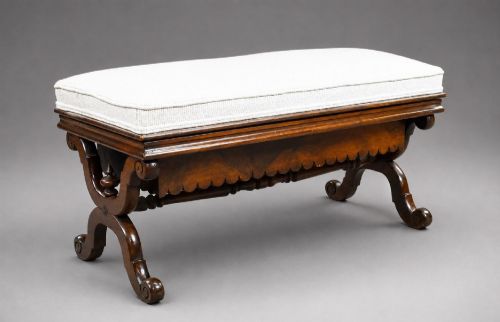
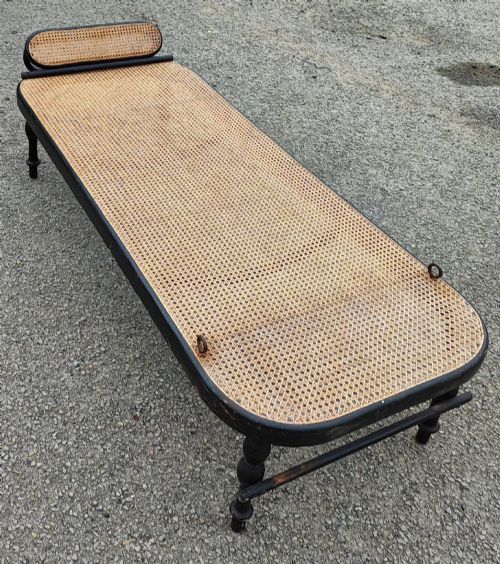
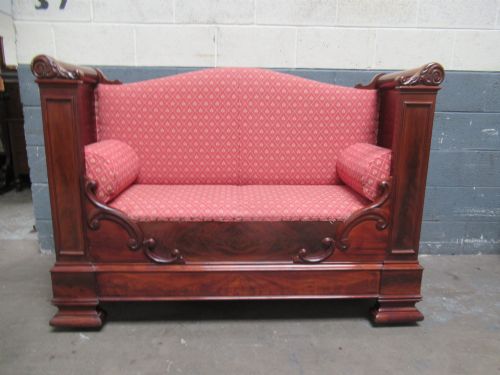
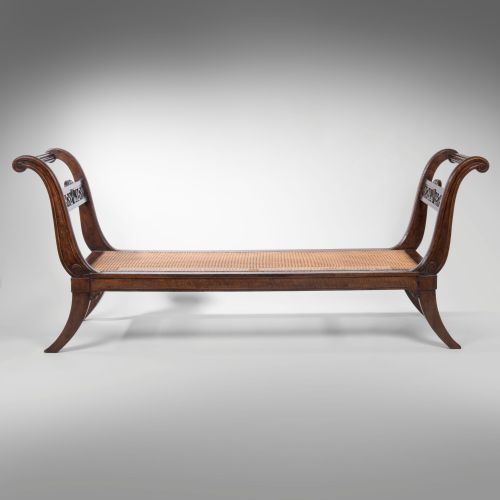
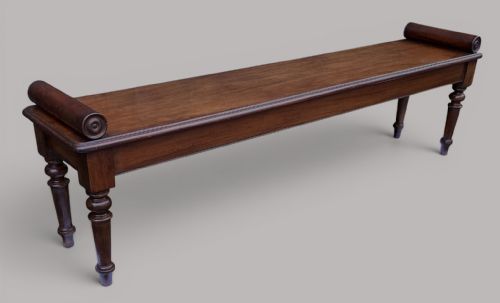
A regency bench seat encompasses a diverse range of forms designed for interior and exterior placement, including long hall benches, window seats, daybeds, and garden benches. These pieces originate predominantly from the nineteenth century, drawing heavily on classical design principles.
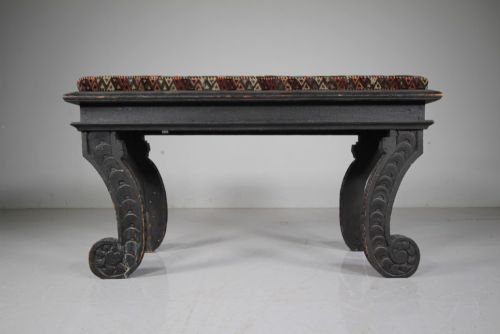
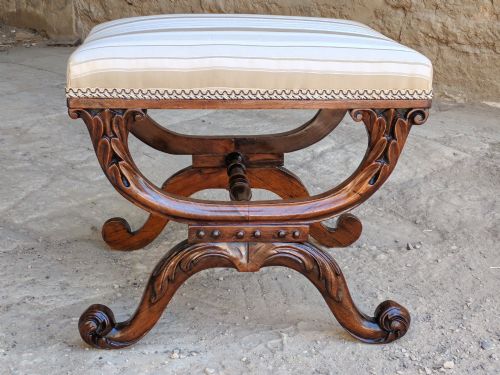
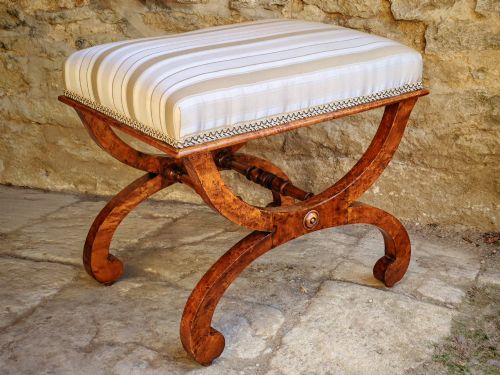
Makers and designers of the era looked to neoclassical motifs, producing items with roll-end supports, fluted legs, and curule frames. Buyers will encounter both authentic early nineteenth-century examples and later nineteenth-century interpretations sharing the same classic silhouettes.
Craftsmanship and Proportion
Superior examples distinguish themselves through balanced proportions, crisp carving on the mahogany or giltwood frames, and the integration of sophisticated structural forms such as the X-frame or curule base. Lesser pieces exhibit simpler turnings and less ambitious joinery.
The refinement of secondary materials like cane work, upholstery leather, and decorative brass details dictates the upper tier of the range. Original surfaces and well-preserved structural integrity elevate an antique far above utilitarian replacements.
Some nineteenth-century garden benches were built to curve gracefully around living tree trunks.
Miles & Edwards·Gillows·Marsh and Tatham
The Regency Bench Seat Glossary
- Curule stool
- A seat with an X-shaped frame reminiscent of ancient Roman magistrate chairs. This classical form provides both structural stability and architectural elegance.
- Strapwork
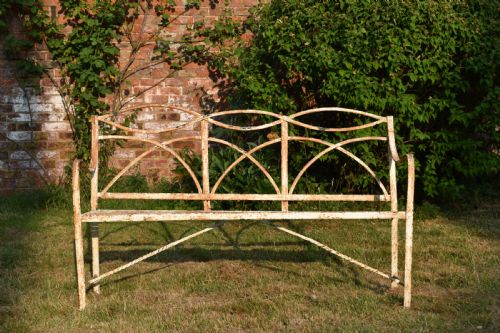
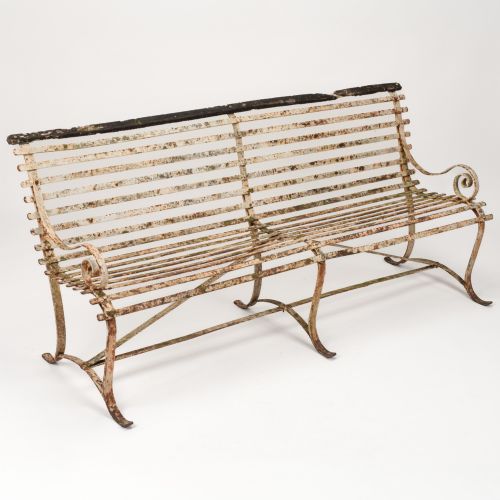
- Ornamental metalwork formed of flat interlaced bands, frequently seen on iron garden benches from the period. It creates an open, geometric pattern.
- Roll-end support
- A scrolled or cylindrical terminal at the end of a bench or window seat. This feature references ancient Grecian and Roman daybed designs.
- Bergere
- An enclosed upholstered armchair or bench with sides filled in with cane or wicker work. It offers a lighter aesthetic than solid wood frames.
- Giltwood
- Wood that has been coated with a thin layer of gold leaf or powder. It highlights carved neoclassical details on formal seating.
Regency Bench Seat: Frequently Asked Questions
Where should I place a regency bench seat?
These pieces suit narrow hallways, large landings, or beneath wide windows where low backs preserve the view.
Wrought iron versions belong outdoors on terraces or beneath garden trees, matching the original intent of the strapwork designs.
How do I distinguish a genuine period piece?
Examine the timber shrinkage, hand-cut joints, and the wear patterns on the feet and upholstery edges.
Nineteenth-century pieces display dense mahogany or rosewood grains and forging marks on iron garden frames that later reproductions fail to replicate accurately.
Can I use an antique window seat daily?
Solid mahogany and wrought iron examples offer robust construction suitable for regular seating in busy households.
Fragile giltwood or delicate caned seats require more careful placement to protect historic frames and woven surfaces from excessive strain.
What is the difference between a window seat and a hall bench?
Window seats often feature upholstered pads and scrolled roll-ends designed for comfortable sitting by architectural openings.
Hall benches typically present firmer wooden surfaces, sometimes with backs, intended for transitional seating in entryways.