


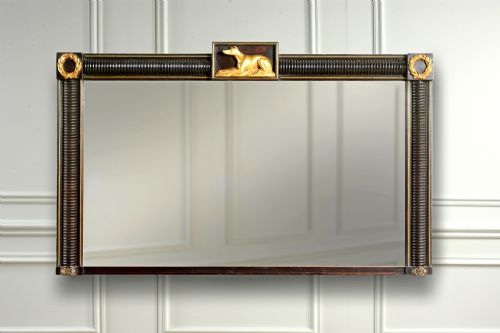

Reeded Frame Gilded Mirror
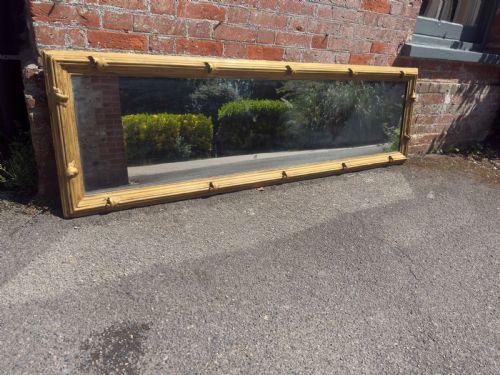
A reeded frame gilded mirror brings brilliant reflective depth and architectural rhythm to a room.
Reeded Frame Gilded Mirror
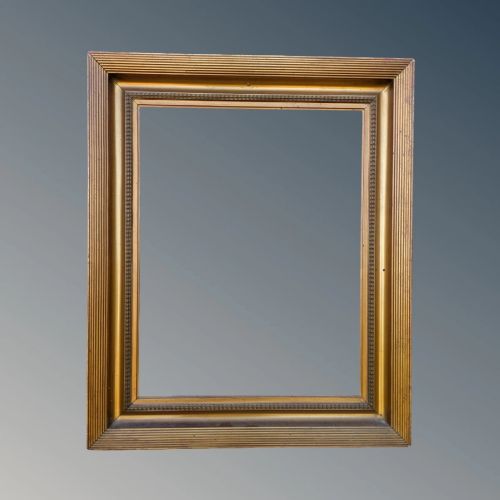
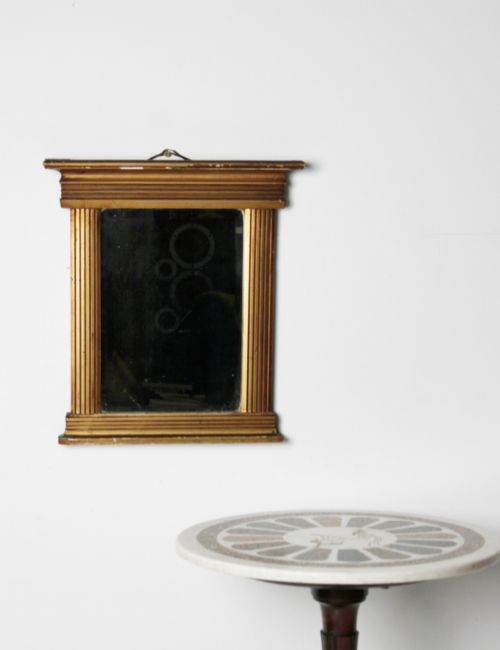
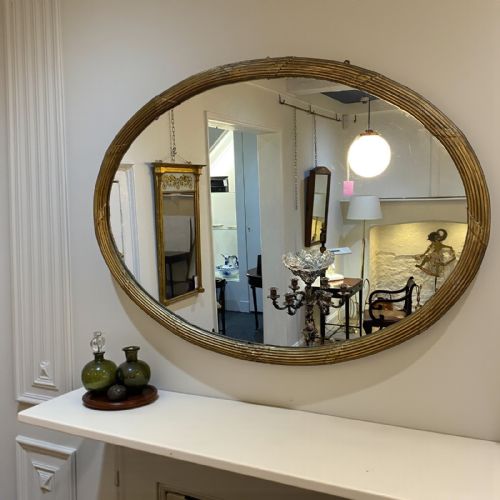
A reeded frame gilded mirror presents a classical linear moulding coated in gold leaf or gesso, catching light across domestic interiors. These pieces appear in wall mirror, pier mirror, picture frame, and overmantel formats spanning the nineteenth century through the early twentieth century. Buyers seeking a reeded frame gilded mirror most frequently encounter English and French examples from the nineteenth century featuring rectangular, round, or oval configurations.
The styles connected to these mirrors encompass Regency, Victorian, Edwardian, Neoclassical, and Art Deco design vocabularies. Surviving forms range from intimate round wall mirrors to grand overmantels and tall pier mirrors designed to sit between windows. Each object demonstrates how makers applied classical reeding to gilded wooden structures for domestic display.
Materials and Construction
Makers constructed these frames primarily using wood, pine, and ebonised wood as a structural base before applying surface decoration. Artisans then built up decorative relief using gesso, a plaster-like mixture sculpted or moulded onto the wooden foundation. Giltwood, gold leaf, and general gilding completed the surface, creating the bright metallic sheen characteristic of the finished frame.
Framemakers carved the signature parallel semicircular ridges of the reeding directly into the wood or formed them within the gesso layer. Glaziers fitted original glass plates into these rebated wooden frames, sometimes incorporating carved details like a gilded greyhound.
Assessing Quality and Execution
Quality rests upon the crispness of the reeded mouldings and the finesse of the underlying gesso work. Superior pieces display deeply carved or cleanly shaped parallel reeds that maintain their rhythm without blurring beneath thick layers of surface coating. The application of gold leaf demonstrates the maker's skill, showing smooth metallic continuity rather than coarse paint substitution.
Structural integrity of the pine or hardwood carcass dictates the durability of the heavy glass plates housed within. Finer examples retain their original gilding patination and glass, whereas lesser or heavily restored pieces lose the sharpness of their architectural detail through repeated over-gilding.
The Reeded Frame Gilded Mirror Glossary
- Reeded
- A decorative moulding formed of parallel convex ridges resembling bundled plant stems. This surface pattern provides distinct vertical or horizontal texture on mirror frames.
- Gesso
- A prepared mixture of chalk, gypsum, and binder applied to wood as a base for gilding. It allows carvers to achieve sharp ornamental relief before applying gold leaf.
- Giltwood
- Timber covered with a thin layer of gold leaf or gold paint. This material defines the bright, reflective surfaces of classical frames.
- Pier Mirror
- A tall mirror designed specifically to hang on the wall space between two windows. These pieces often matched console tables placed directly beneath them.
Reeded Frame Gilded Mirror: Frequently Asked Questions
Where were pier mirrors placed?
Pier mirrors hung on the narrow wall section situated between two windows in a formal room. This placement maximised the natural light entering the space.
They frequently paired with matching console tables positioned just below the glass.
How do I date a gilded mirror?
Dating relies on examining the construction materials, joinery techniques, and stylistic markers such as Regency or Edwardian motifs. Frame profiles and the composition of the gesso layer also indicate the period of manufacture.
Original mirror glass often exhibits subtle distortions or age spots that help confirm historical authenticity.
How do I care for giltwood?
Giltwood requires dusting with a soft, dry brush to protect the delicate gold leaf surface from abrasion. Avoid using liquid cleaners or chemical polishes which can strip the historic finish.
Keep the mirror away from direct sunlight and damp environments to prevent the wood and gesso from cracking.