

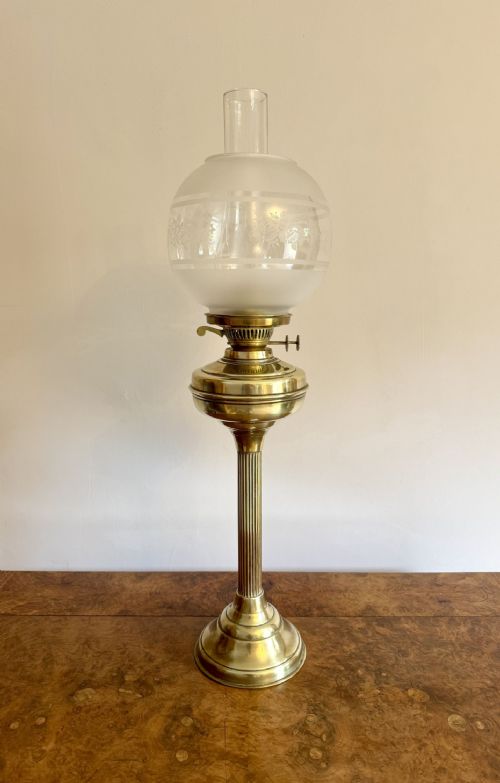


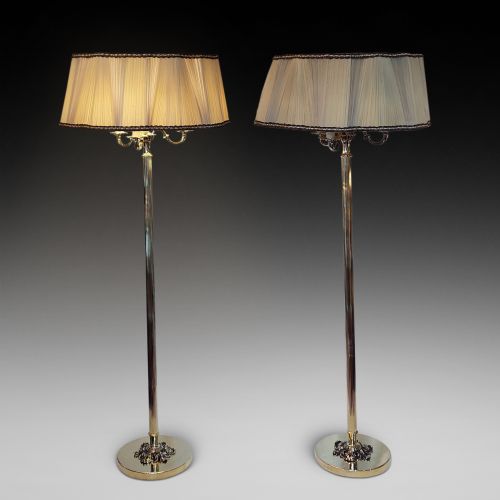


Reeded Column Lamp
A reeded column lamp brings architectural dignity and warm illumination to a room, offering classical proportions that suit both traditional and modern interiors.
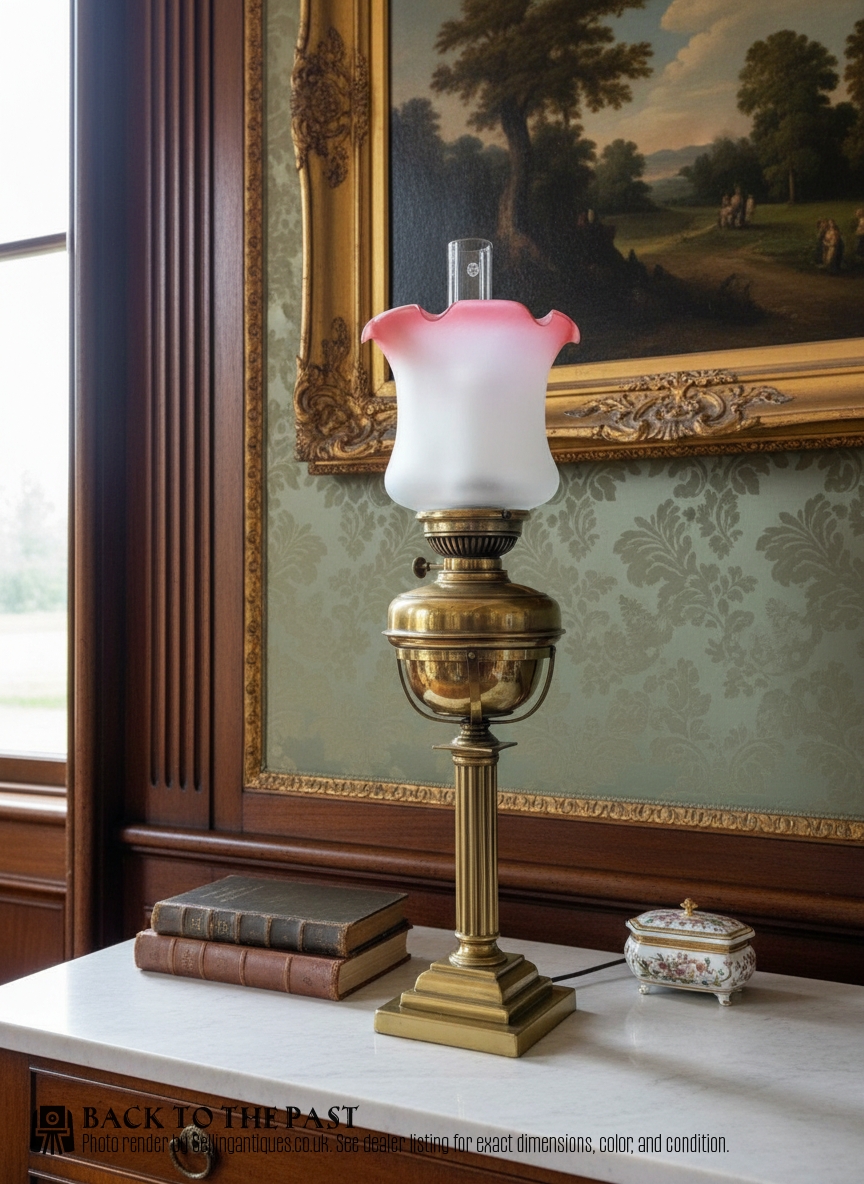
Reeded Column Lamp
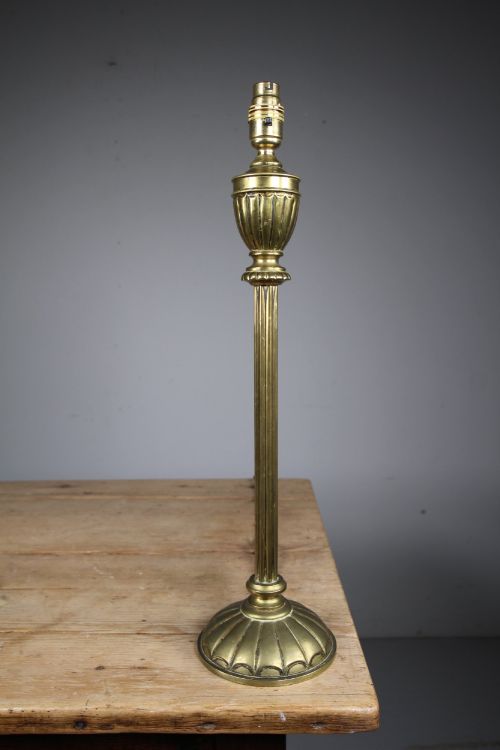
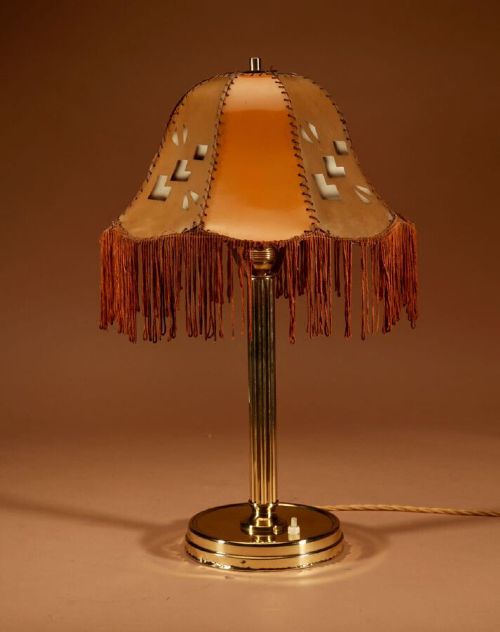
A reeded column lamp draws directly from classical architecture, translating the vertical fluting of ancient stone pillars into domestic lighting. These pieces take the form of table lamps and tall standard floor lamps, originating predominantly from the Victorian and Edwardian eras. Buyers searching this phrase seek this specific combination of classical order and functional utility.
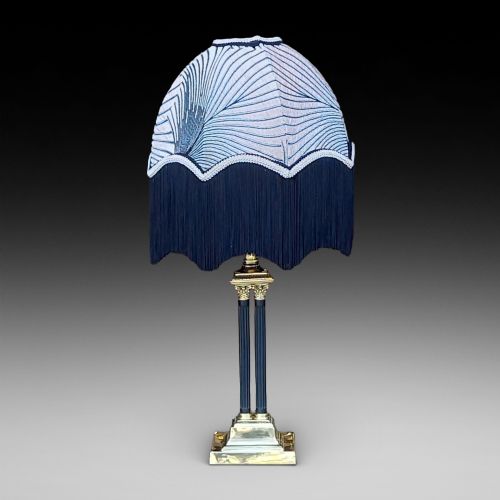
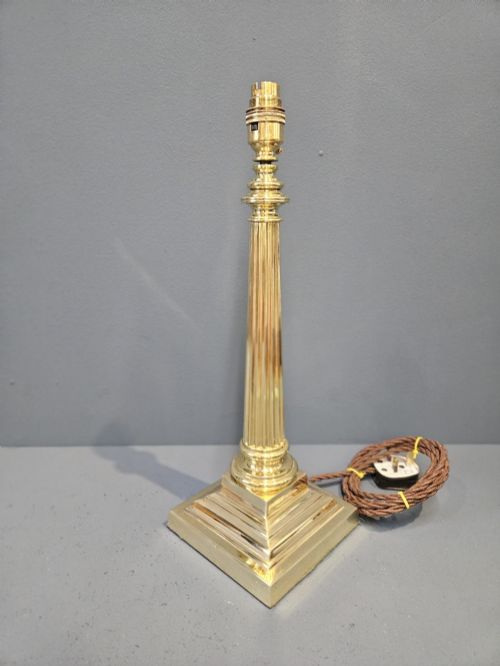
The versions most commonly met on this page are constructed in brass, often following the strict orders of classical architecture such as Corinthian or Doric capitals. Many examples began life as oil or paraffin lamps before being professionally converted to electricity. Alongside these standard table heights, taller floor-standing uplighters appear frequently.
While the core of the inventory comprises brass columns, variations include combinations with marble bases, milk glass components, or crystal shades. Occasional variations venture into silver-plated finishes or patinated bronze. Each piece maintains the signature parallel convex mouldings running the vertical length of the shaft.
How they were made
Construction relies heavily on cast and turned brass, often assembled in modular sections to create the characteristic stepped base, fluted shaft, and ornate capital. Metalworkers utilised traditional foundry techniques, turning columns on lathes and hand-finishing the decorative leaf work on Corinthian corners. The resulting weight gives these lamps the stability needed to support heavy glass reservoirs or fabric shades.
Where materials diversify, makers integrated polished marble for substantial weighted bases or incorporated pressed milk glass and cut crystal reservoirs. Conversion elements added later often integrate braided fabric flex and standard electrical fittings while preserving the original metalwork. Structural integrity depends on heavy threaded central rods binding the capital, column, and base together securely.
Reeded Column Lamp Retail Price Guide 2026
Typical asking prices for reeded column lamp among the pieces listed under this phrase on Sellingantiques today, from the lower quarter to the upper quarter. They describe what is for sale here now, not the wider market.
Several heavy brass columns secretly began their lives illuminating Victorian sitting rooms with scented paraffin before turning to the modern grid.
What varies in quality
The distinction between standard production and top-tier examples rests in the crispness of the casting and the ambition of the architectural detailing. Superior columns display deeply cut reeding and sharply defined acanthus leaves on the capitals, whereas lesser pieces show softened edges from worn moulds. Weight and gauge of the brass also signal quality, with finer examples offering a substantial heft and resistance to bending.
Proportion and architectural correctness dictate the visual success of the piece. High-quality models adhere closely to classical ratios, whereas lower grades may appear squat or awkwardly proportioned. The integration of secondary materials, such as genuine marble plinths or heavy cut-crystal fonts, further separates utilitarian lighting from pieces intended as architectural statements.
Hinks·Young·Gillows
The Reeded Column Lamp Glossary
- Reeding
- Parallel convex mouldings run vertically up the cylindrical shaft of the column. This surface decoration mimics the carved stone fluting found on classical Greek and Roman architecture.
- Doric capital
- A simpler, undecorated cushion-like moulding sits at the top of the column shaft. This style offers a clean, austere profile compared to Corinthian designs.
- Duplex burner
- A double-wick mechanism allows an oil lamp to produce a brighter flame before conversion to electricity. This hardware often bears maker stamps on the brass thumbwheels.
- Standard lamp
- A tall floor-standing lighting fixture illuminates a room from an elevated position. These pieces frequently incorporate adjustable height mechanisms.
Reeded Column Lamp: Frequently Asked Questions
How do I date a reeded column lamp?
Dating relies on examining the construction methods, base weights, and burner types if the piece started as an oil lamp. Victorian examples often feature heavier brass castings and distinct burner patents, while Edwardian versions lean towards slender proportions and modified base designs.
Secondary materials such as marble or milk glass also provide clues, as certain combinations gained popularity during specific decades. Comparing the style of the capital to architectural pattern books helps narrow down the manufacturing period.
Are these lamps safe for modern electrical use?
Most antique lamps offered here have been adapted from oil burners or rewired for contemporary domestic standards. Professional rewiring ensures the internal components meet current safety requirements without altering the historic exterior.
Buyers should check individual listings to confirm whether a piece has been recently tested and fitted with modern braided flex. The conversion process preserves the original metal body while making the fixture practical for daily use.
Can I use standard lampshades on these?
Fitting a shade depends on the specific harp or shade carrier attached to the top of the lamp. Many accommodate standard spider fitters or clip-on designs, provided the scale matches the height of the column.
Tall standard floor lamps require significantly wider shades than smaller table versions to maintain visual balance. Consulting the overall height of the piece helps determine the correct shade diameter.
What is the difference between a table lamp and a standard lamp?
Table lamps are designed to sit on furniture surfaces such as side tables, occasional tables, or desks. They feature shorter columns scaled for close-up illumination.
Standard lamps stand directly on the floor as independent pieces of furniture and reach much greater heights. Both share the same architectural reeded column vocabulary but serve entirely different spatial functions.