
Red Woven Wall Hanging
When hunting for a red woven wall hanging, collectors encounter vibrant tribal textiles, horse covers, and ceremonial trappings crafted across Persia and Central Asia.
Red Woven Wall Hanging
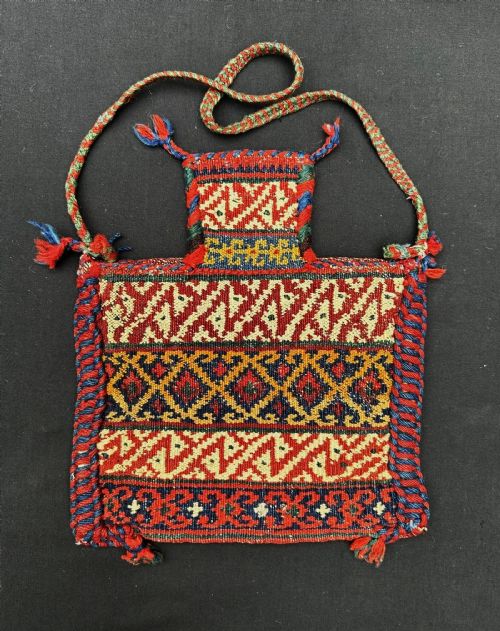
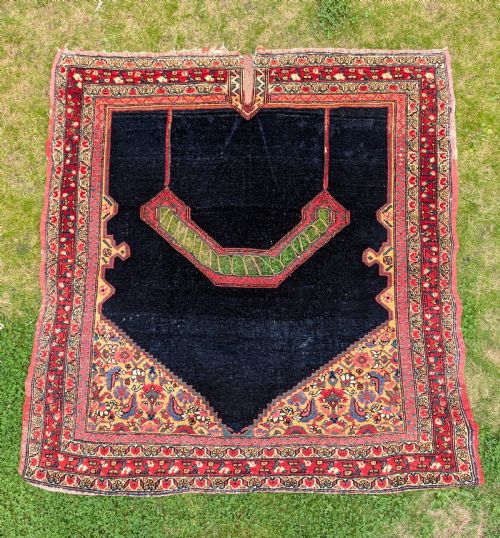
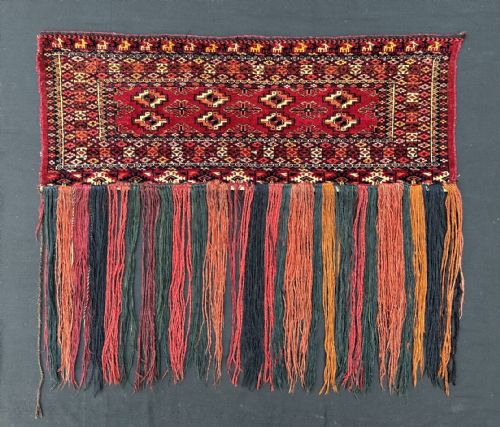
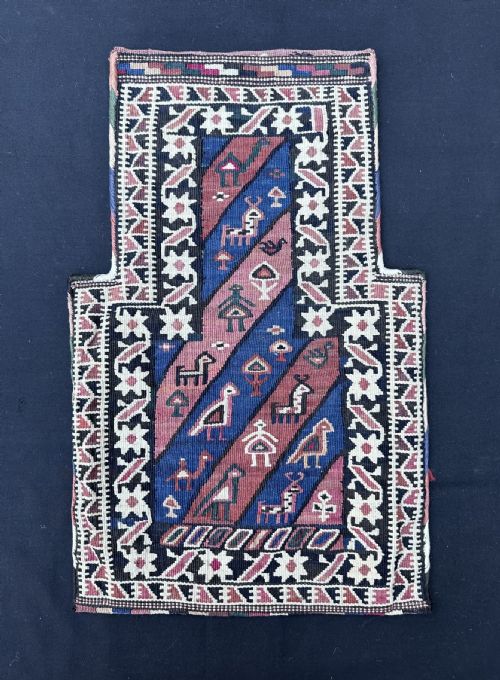
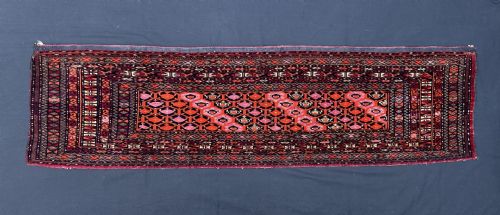
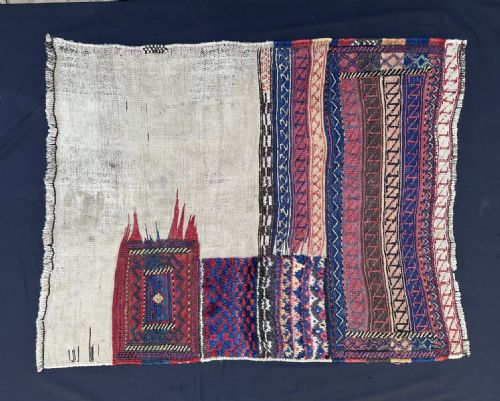
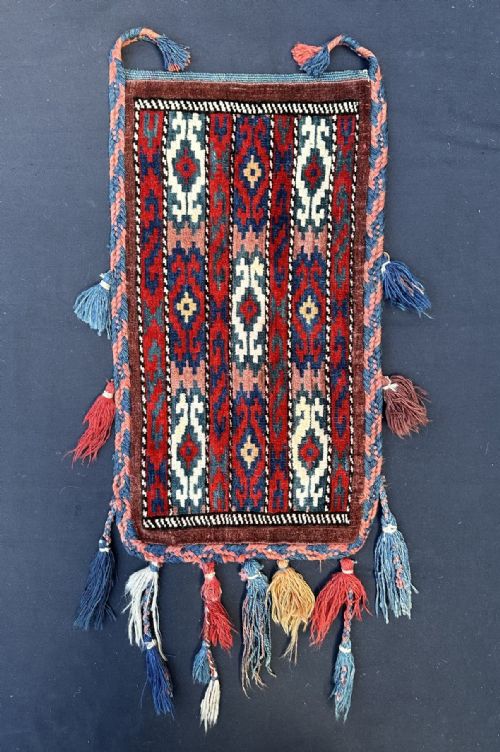
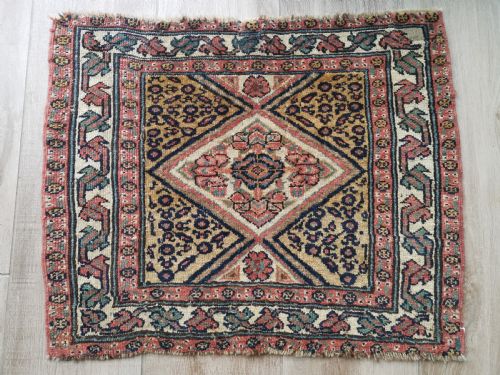
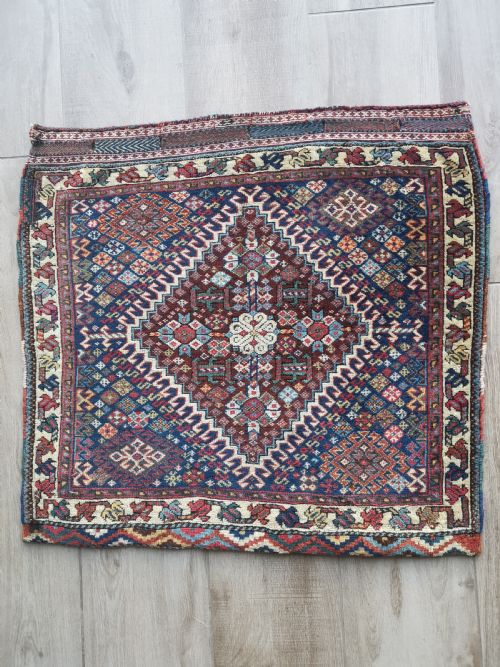
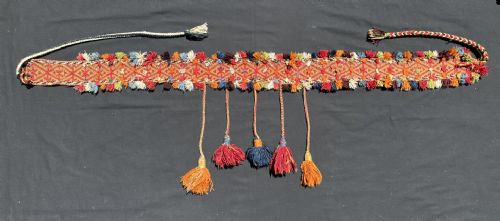
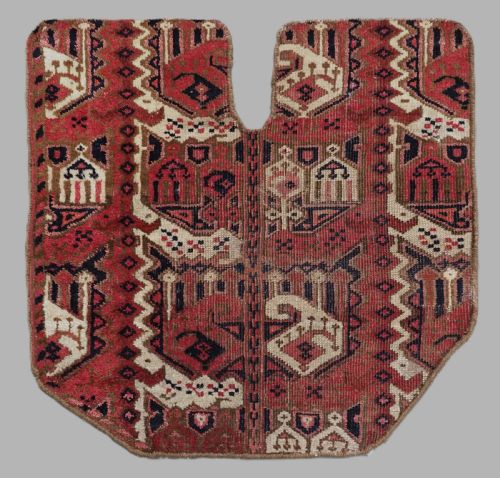
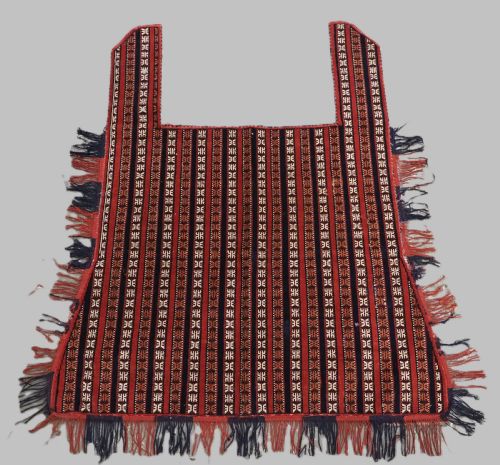
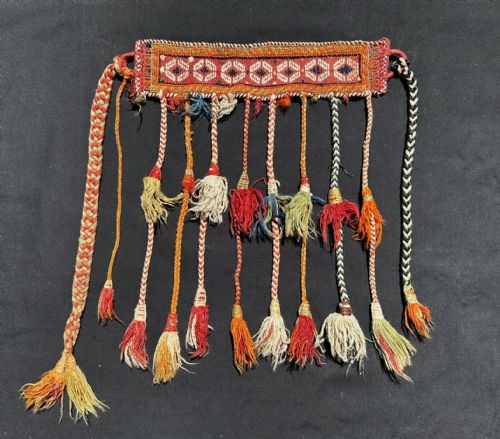
A red woven wall hanging typically originates from tribal and nomadic traditions in Persia, Central Asia, and the Caucasus, spanning the nineteenth and early twentieth centuries. Buyers searching this phrase most frequently encounter repurposed utilitarian objects such as saddle covers, torbas, bagfaces, and tent bands adapted for display.
These items were originally woven for daily nomadic life, transportation, and ceremonial use by groups including the Yomut, Tekke, Ersari, and Qashqa'i. Their conversion into wall hangings allows modern interiors to showcase dense geometric patterns and rich crimson wool fields.
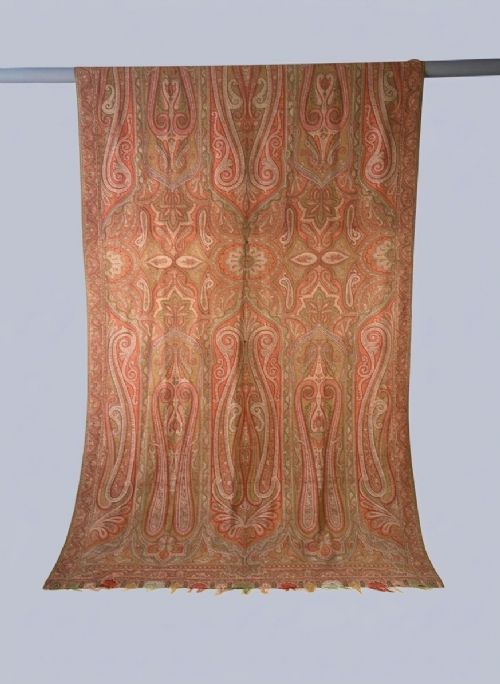
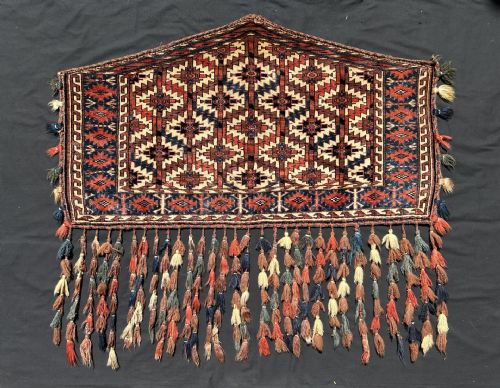
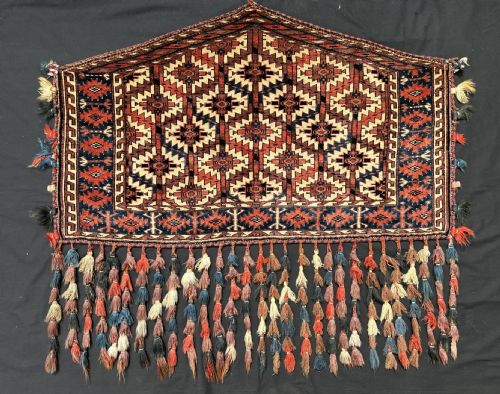
The inventory on this page reflects distinct regional weaving cultures, grouping utilitarian horse blankets, grain bags, and pillow faces under the broader decorative category of wall hangings. Each piece carries the distinct structural signatures of the specific tribal confederation that produced it.
How They Were Made
The foundation of these pieces relies heavily on hand-spun wool and cotton, processed using natural dyes derived from plants and minerals to achieve deep red and madder tones. Weavers utilised upright or horizontal frame looms, employing dense knotting techniques or flatweave structures to ensure durability during nomadic migration.
Auxiliary materials such as silk, leather, and goat hair frequently appear in secondary borders, tassels, and structural selvedges to reinforce high-stress areas. The integration of hand-spun fibres gives the surface an irregular texture that absorbs natural light unevenly across the reddish field.
Several pieces started life strapped to a camel or horse, proving that nomads had very high standards for interior design on the move.
What Varies in Quality
Quality in these textiles depends on the tightness of the weave, the precision of the tribal guls or motifs, and the clarity of the natural dyes. Pieces retaining their original tassels, complete borders, and structural backs command greater interest from purists.
The depth and saturation of the red hues reveal the dyer's skill, where variations in botanical extraction create subtle abrash and tonal shifts across the surface. Finer knot counts and complex secondary ornamentations distinguish workshop or master tribal weaving from standard domestic output.
The Red Woven Wall Hanging Glossary
- Gul
- A primary octagonal or medallion motif repeated across Turkmen and tribal rugs and bags. This design element often identifies the specific tribe or clan responsible for the weaving.
- Torba
- A small, wide storage bag traditionally used inside a nomadic tent for household goods. These rectangular faces are frequently mounted as wall hangings today.
- Asmalyk
- A ceremonial camel trapping produced in pairs for wedding processions among Turkmen tribes. Their pentagonal shape makes them distinct decorative elements when displayed.
- Sofreh
- A flatwoven spread used for dining, kneading bread, or holding grain during daily nomadic life. They feature minimalist tribal layouts dominated by practical utility.
- Abrash
- A natural tonal variation or streaking of colour within a single dye field caused by successive batches of wool or dye. This characteristic is prized as evidence of authentic hand-dyeing.
Red Woven Wall Hanging: Frequently Asked Questions
What is a red woven wall hanging made from?
These items are constructed primarily from hand-spun wool and cotton foundations, often dyed using natural plant and mineral substances to produce rich crimson and madder hues. Secondary materials such as silk, leather, and goat hair occasionally appear in borders and attachments.
The integration of these traditional materials results in durable textiles designed originally for nomadic utility rather than static indoor display.
How do I hang an antique textile safely?
Mounting a fragile textile requires distributing the weight evenly across the entire upper edge to prevent distortion of the foundational warp and weft threads. Professional conservators often recommend using cotton-velcro attachment methods or custom archival sleeves.
Avoid direct exposure to strong sunlight, which can fade natural red dyes over time, and ensure the hanging wall remains free from excessive moisture.
How can I tell which tribe made a piece?
Tribal attribution relies on examining specific geometric motifs, border configurations, structural knotting techniques, and the distinct colour palette utilised in the field. For instance, Tekke and Yomut pieces display characteristic guls and wool quality unique to Central Asian steppes.
Consulting regional design dictionaries helps cross-reference these structural markers with specific nomadic confederations from Persia or Turkmenistan.