


Red Wool Hearth Rug
A red wool hearth rug brings warmth, rich colour and grounded character to a fireside space through centuries-old village and tribal traditions.
Red Wool Hearth Rug
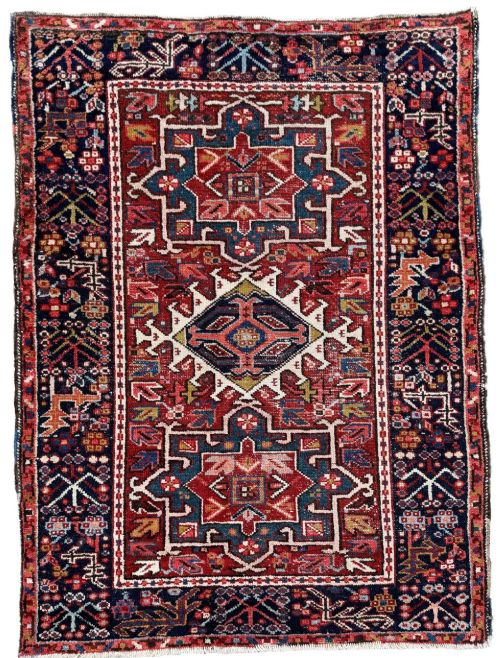
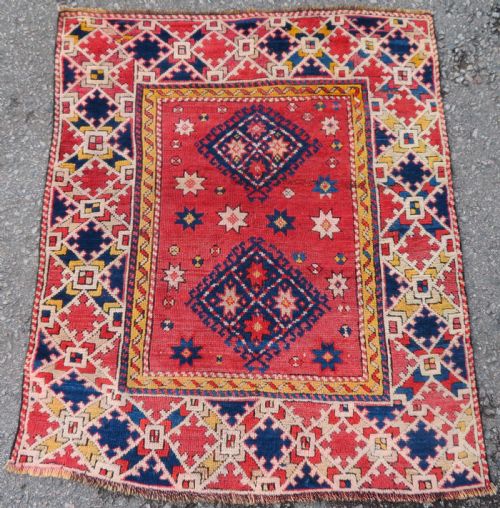
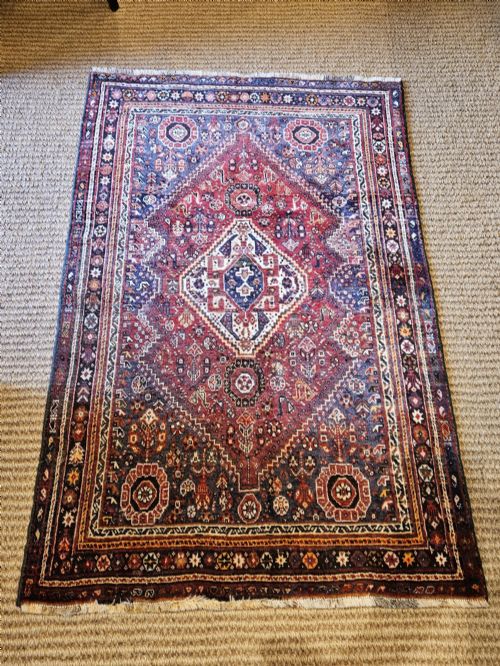
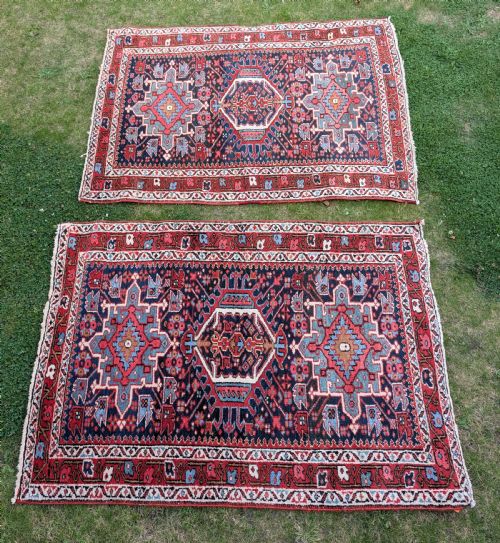
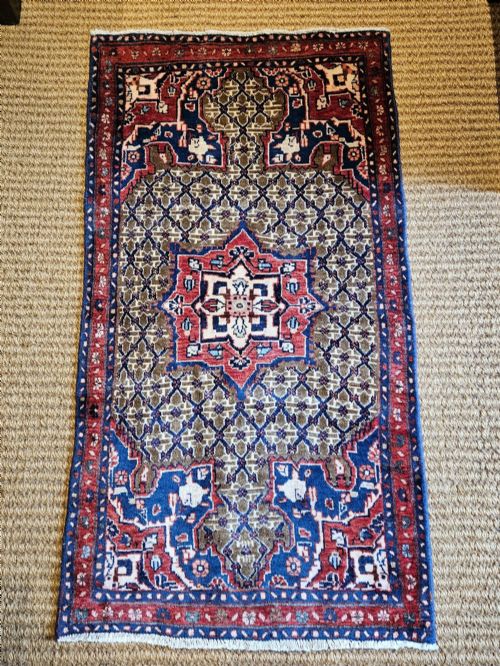
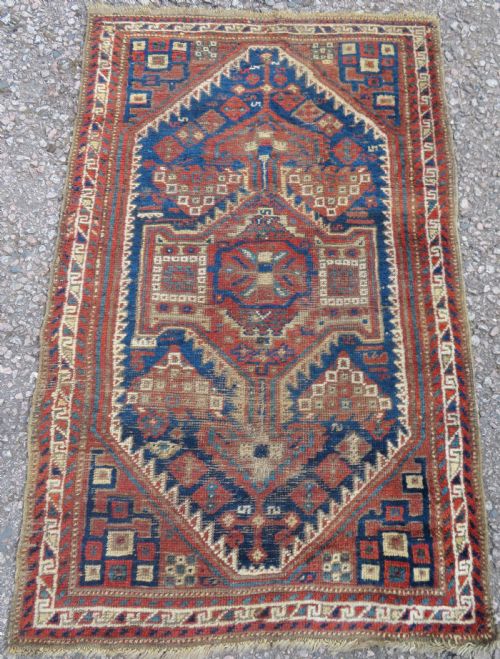
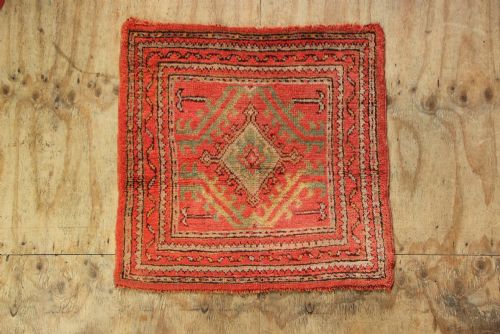
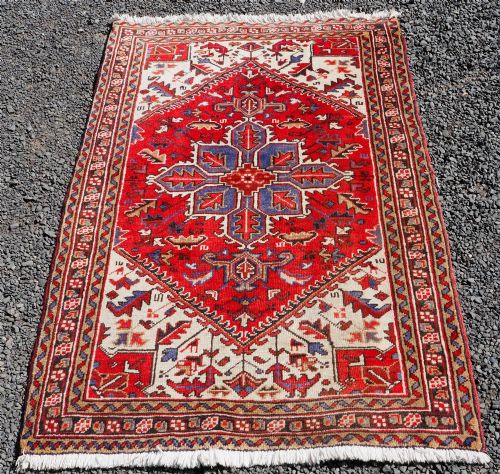
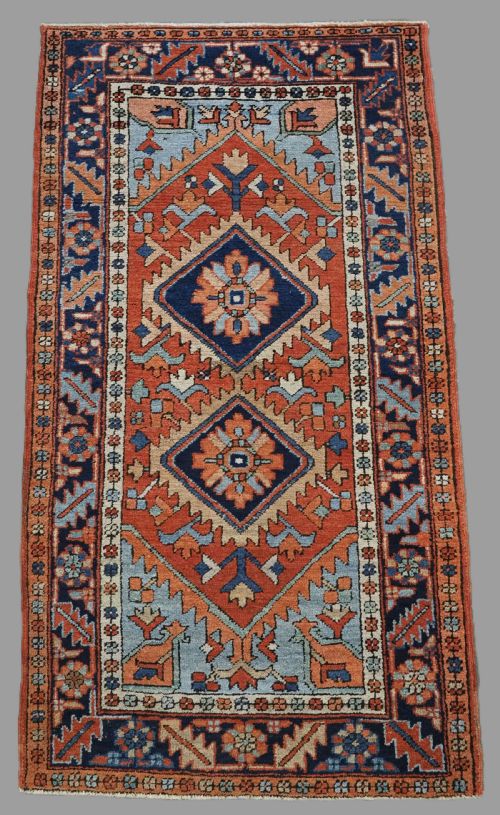
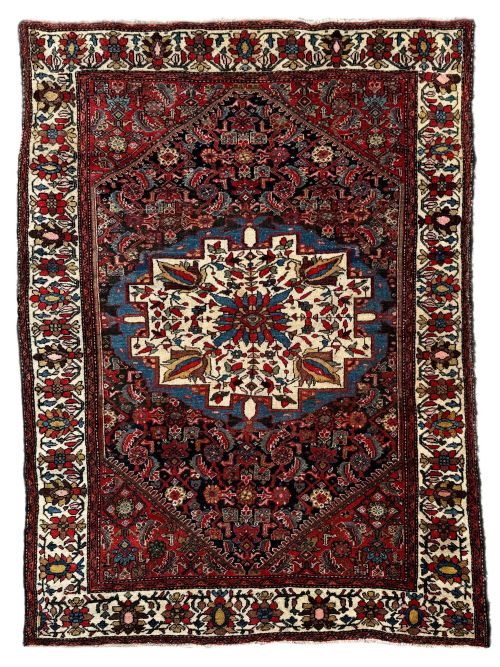
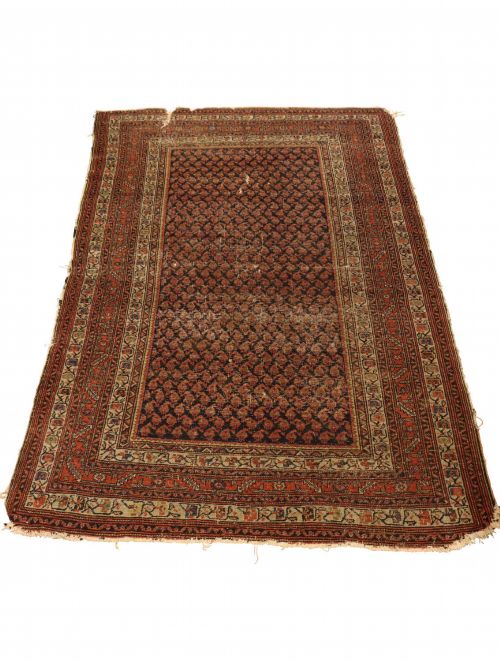
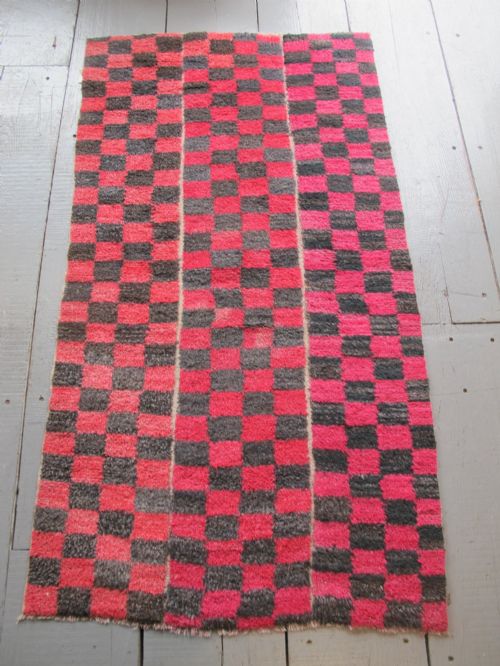
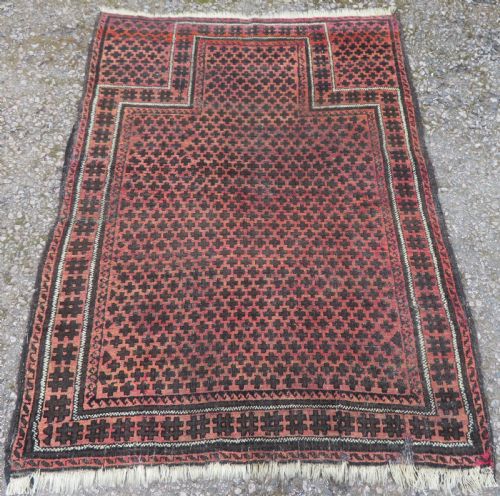
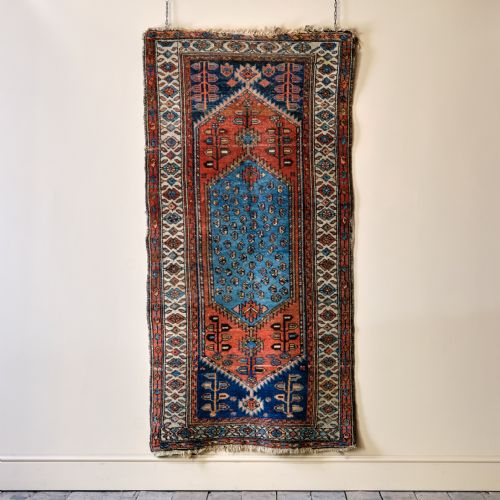
A red wool hearth rug brings together small-scale antique floor coverings from Persian, Anatolian, Caucasian and Turkmen traditions, chosen for their warm rust and crimson tones. When searching for a red wool hearth rug, buyers encounter compact village pieces, tribal runners and small formats originally suited for domestic warmth.
The selections on this page span from the nineteenth century into the Edwardian era, featuring regional styles like Karaja, Heriz, Bergama and Baluch. These pieces offer deep madder hues and rich wool piles designed to sit comfortably before an open fireplace.
How they were made
These floor coverings rely on natural wool and hand-spun yarn knotted by hand onto sturdy cotton or wool foundations. Artisans utilised rich vegetable dyes, yielding deep reds and rust backgrounds derived from local plants and madder root.
Weaving techniques varied by region, ranging from coarse, thick village piles to finely knotted tribal formats. The structure typically incorporates durable wool warps and wefts designed to withstand heavy foot traffic near the hearth.
Current listings feature pieces spanning the nineteenth century, the Edwardian period, and the early twentieth century, utilising hand-spun wool and cotton.
What varies in quality
Quality in these textiles depends upon the density of the knotting and the depth of the wool pile. A tighter, finer weave often indicates a more accomplished village or workshop origin.
The vibrancy and saturation of the natural dyes significantly influence the visual impact of each piece. Purity of colour and balance within traditional geometric or medallion patterns distinguish standard utility rugs from exceptional examples.
The Red Wool Hearth Rug Glossary
- Hearth rug
- A small or medium format floor covering traditionally placed in front of an open fireplace to protect flooring and provide warmth. These pieces generally measure under two metres in length.
- Pile
- The vertical or diagonal loops of wool that form the usable soft surface of a rug. A thicker pile provides greater cushioning and insulation.
- Warp
- The longitudinal threads stretched vertically on a loom before weaving begins. In these antiques, warps are commonly made of durable cotton or hand-spun wool.
- Medallion
- A central ornamental design motif placed in the middle of the field. Many traditional village rugs feature distinctive star or geometric medallions.
- Boteh
- A traditional teardrop or almond-shaped motif representing a floral spray or cypress tree. This ancient Persian design element appears frequently across antique tribal textiles.
- Ensi
- A specific type of rug traditionally used as a tent door hanging by Turkmen tribes. These pieces typically feature a characteristic cross-panel design.
Red Wool Hearth Rug: Frequently Asked Questions
Where should I place a hearth rug?
These compact pieces fit naturally in front of a fireplace, in small hallways, or beside a bed where a splash of warm colour is needed.
Their smaller dimensions make them versatile accents for defining intimate seating areas without overwhelming the room.
How do I care for antique wool rugs?
Regular gentle vacuuming without a rotating brush helps remove dust from the wool pile. Professional cleaning by a specialist in antique textiles preserves the natural lanolin and dyes.
Keeping the rug out of direct, harsh sunlight prevents the natural reds and vegetable dyes from fading over time.
How can I tell different tribal designs apart?
Regional weaving traditions display distinct geometric vocabulary, such as the bold medallions of Heriz or the intricate lattices of Baluch pieces. Colour palettes and border motifs often point directly to specific Anatolian or Persian villages.
Examining the tightness of the weave and the materials used in the foundation provides further clues to geographic origin.
Are these rugs suitable for daily use?
Hand-knotted wool rugs possess natural durability and resilience, making them well-suited for everyday living spaces. The lanolin present in traditional wool helps repel dirt and natural stains.
Using a suitable underlay helps keep the rug securely in place and reduces friction against hard flooring.