






Red Wooden Occasional Table
These red wooden occasional table examples bring warmth and utility to a room, offering adaptable surfaces shaped by centuries of cabinet-making.
Red Wooden Occasional Table
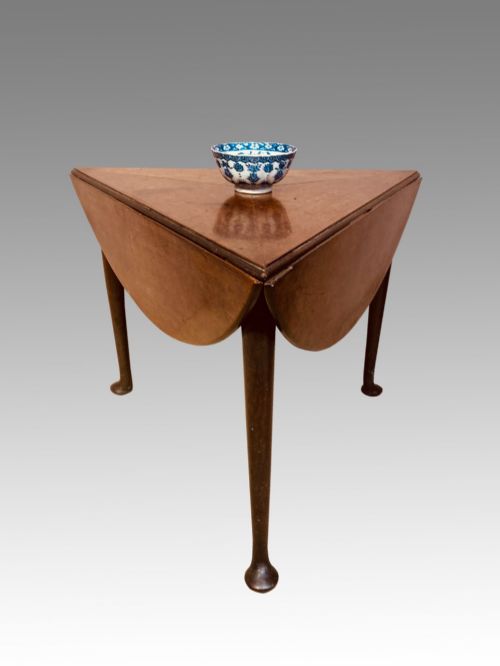
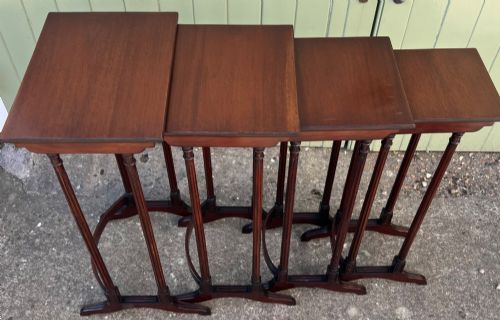
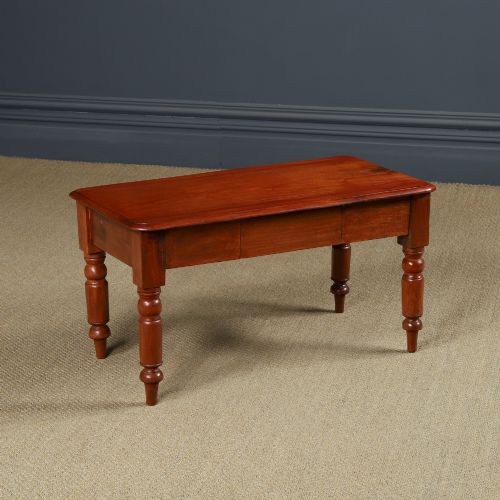
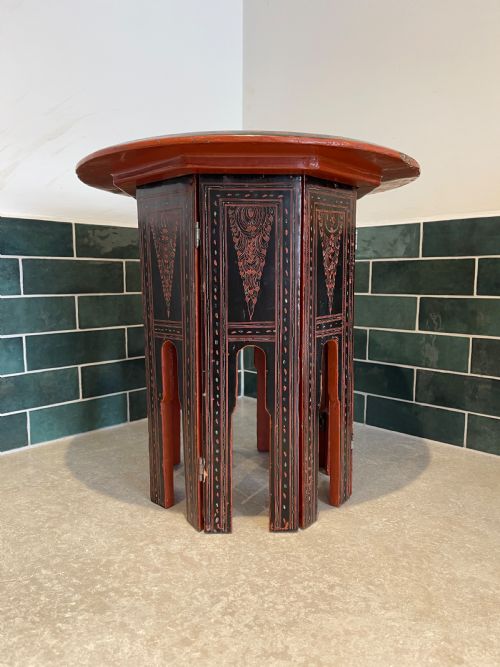
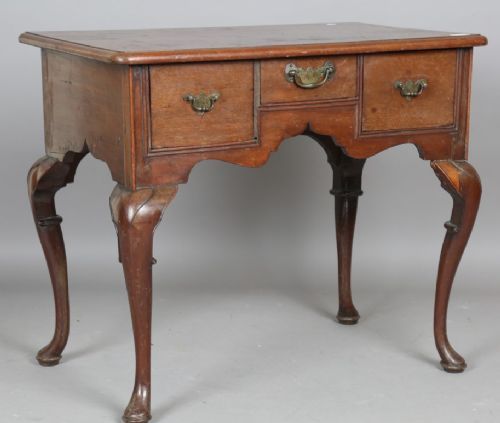
A red wooden occasional table spans versatile forms such as side tables, nests, lowboys, and coffee tables, designed to move easily where a surface is needed. These pieces emerge from periods ranging through the eighteenth century, the Victorian era, and the Edwardian period.
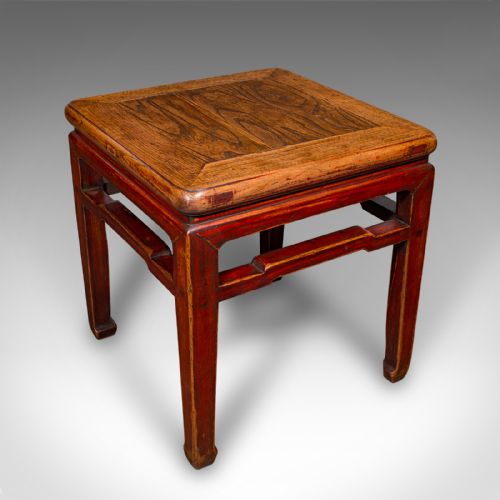
The selection here draws on diverse origins, including English country workshops, Italian revival pieces, Japanese Meiji examples, and Burmese lacquer work. Red walnut, painted finishes, and red lacquer define the distinctive colour palette that runs through the collection.
Buyers frequently encounter tripod side tables, nesting sets, and low occasional pieces suited for lamp placement or general display. Each form reflects the domestic habits of its original era, from tea-drinking customs to the arrangement of silver and books.
Assessing quality and craftsmanship
The distinction between simpler domestic items and finer examples lies in the precision of the timber selection and the restraint of the decoration. Superior pieces display carefully matched wood grains, well-proportioned turnings, and stable structural joints.
Surface finishes contribute significantly to the character of these tables, where aged patination, intact lacquer work, or hand-applied paint demonstrate historical integrity. The balance between decorative ambition and functional stability governs the overall merit of each piece.
Several tables were built low enough to the floor specifically for kneeling patrons sharing a pot of tea.
The Red Wooden Occasional Table Glossary
- Tripod table
- A freestanding small table supported by a central pillar resting on three spreading feet, common in eighteenth-century and nineteenth-century design.
- Etagere
- A set of open shelves or tiered occasional tables used for displaying small objects, popular in late nineteenth-century and Edwardian interiors.
- Chabudai
- A short-legged traditional Japanese table used for partaking in meals or tea while kneeling on tatami mats.
- Polychrome
- Decoration utilising multiple colours applied to the surface of wood, often seen in Italian revival and painted occasional tables.
Red Wooden Occasional Table: Frequently Asked Questions
Where should I place an occasional table?
These tables adapt easily to various positions around a room, serving beside armchairs, beside beds, or as lamp stands in hallways. Their modest scale allows them to fit into corners and spaces where larger furniture would overwhelm the floor plan.
Consider the height of surrounding seating to ensure the surface remains practical for cups, books, or lighting. Nesting versions offer the flexibility of expanding the available surface area only when required.
How do I distinguish eighteenth-century pieces?
Eighteenth-century examples often display specific timber choices like red walnut or dense mahogany, paired with hand-cut joinery and traditional patination built up through decades of use. Construction details beneath the top and inside drawer joints reveal the hand methods of the period.
Proportions tend to follow classical rules of design, with simpler or more robust country interpretations differing from urban workshop standards.
Are painted and lacquered tables durable?
Lacquered and painted surfaces require standard care to protect the finish from moisture and direct heat, much like polished wood furniture. Using coasters and placing tables away from strong heat sources preserves the painted or lacquered layer.
Asian lacquer work and European polychrome treatments develop subtle surface character over time while retaining their primary decorative impact.
What is the difference between a side table and a coffee table?
Side tables typically stand higher and are designed to sit beside seating or against walls for lamps and decorative items. Coffee table adaptations generally sit lower to the floor, reflecting later nineteenth-century and twentieth-century domestic arrangements.
Many antique occasional tables possess heights that bridge these categories, depending on whether they originated as work tables, tea tables, or lowboys.