


Red Wooden Armchair
A red wooden armchair brings character and rich colour to a room, offering sturdy seating grounded in traditional craft.
Red Wooden Armchair
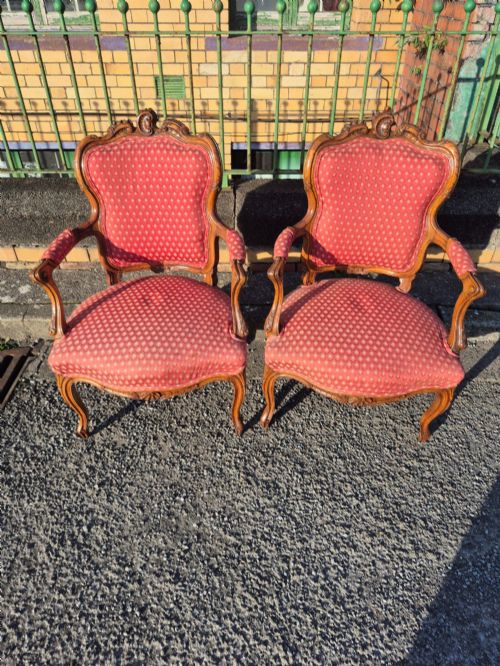
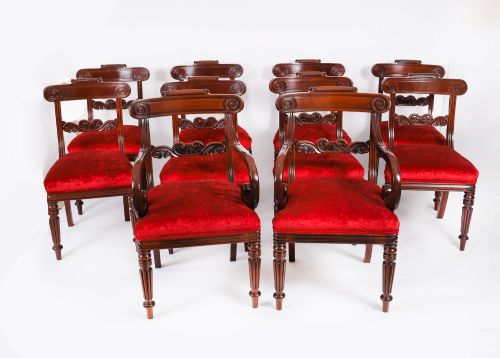
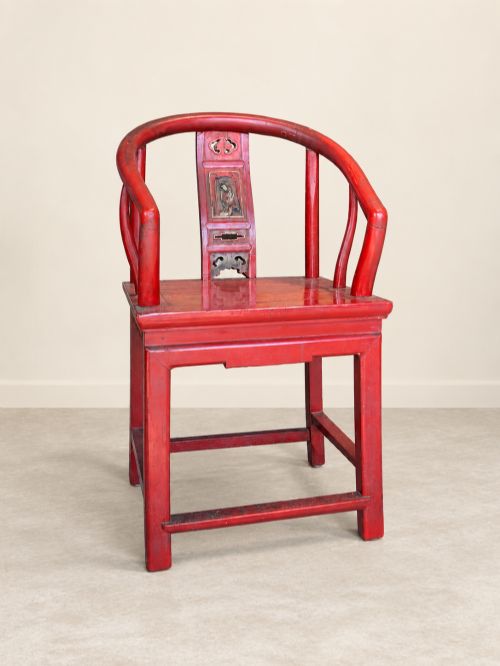
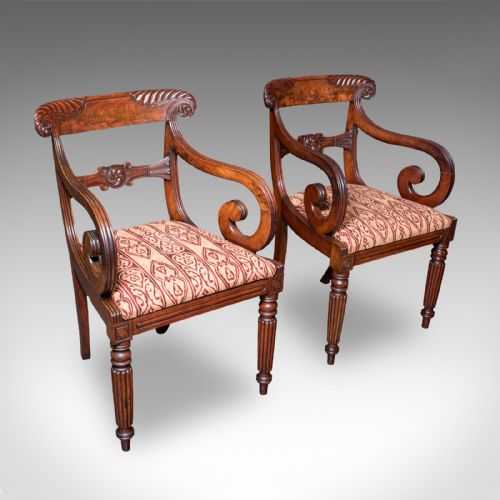
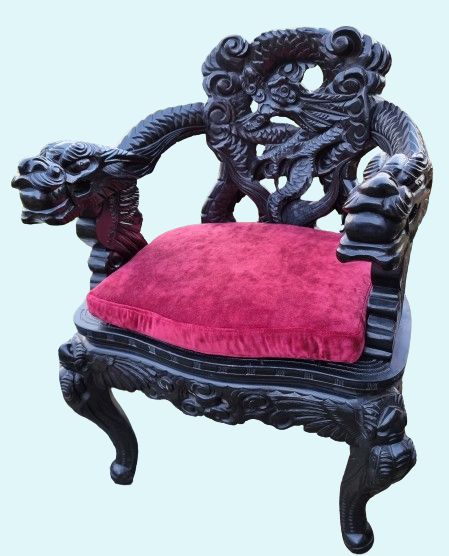
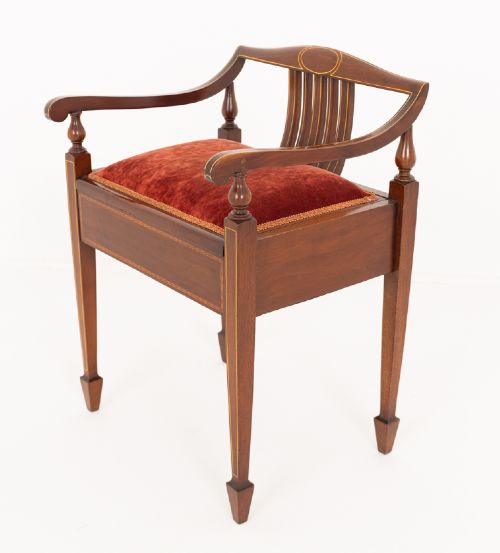
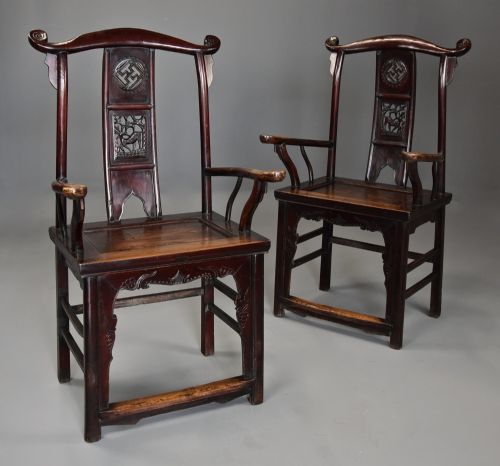
The listings on this page include Chinese elm yokeback armchairs with original red lacquer, alongside painted Georgian and Edwardian examples. Forms stretch from office swivel desk chairs and library carvers to country throne chairs and low nursing seats.
Origin and maker styles vary widely, encompassing English mahogany designs, French Baroque walnut frames, and Oriental hardwood constructions. Buyers select these chairs to anchor a study, bedroom or reception room with a specific historical presence.
How they were made
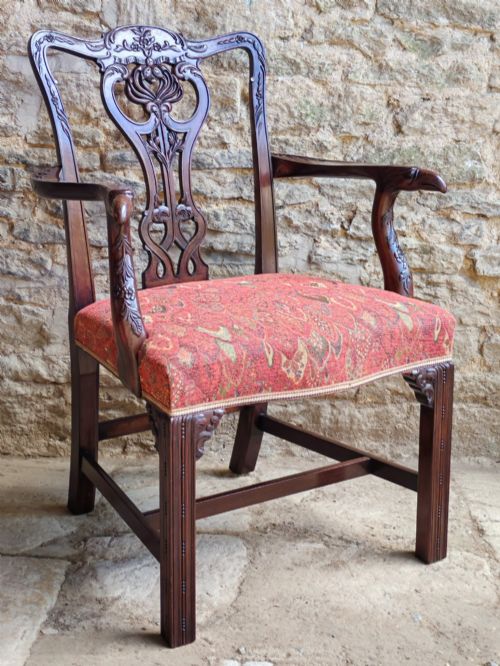
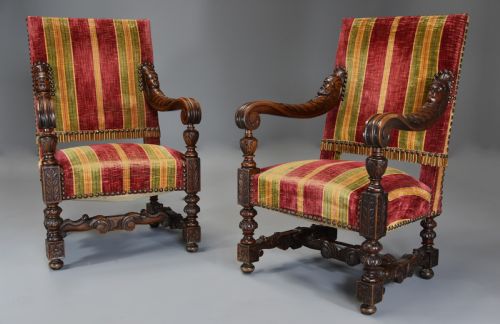
Frames are constructed from sturdy timbers including mahogany, oak, elm, walnut and assorted oriental hardwoods, joined using traditional cabinet-making methods such as mortise and tenon. Carved details on arms, crest rails and legs demonstrate the hand-chiselled work of nineteenth and early twentieth-century workshops.
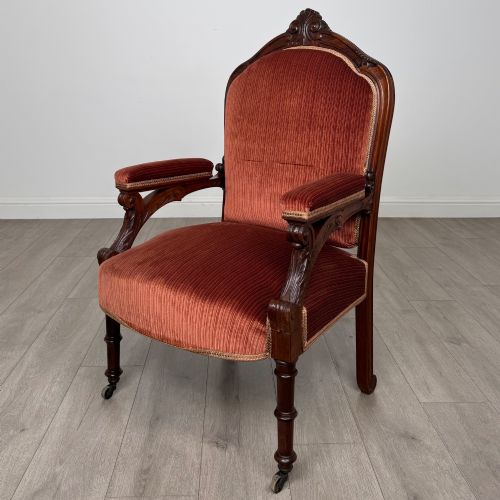
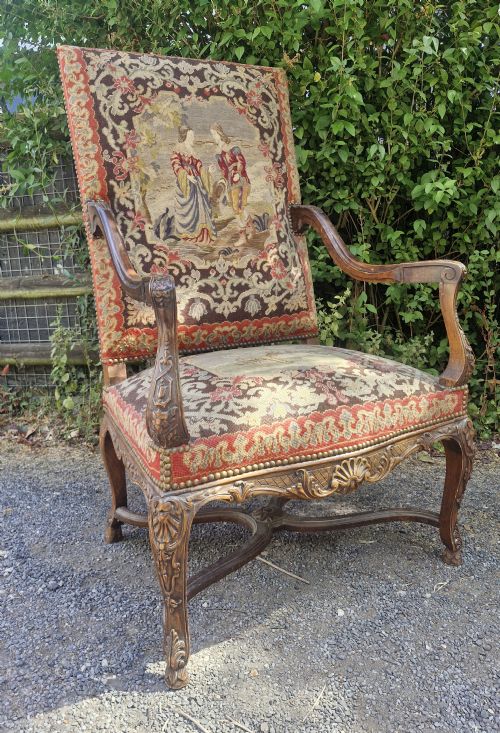
Surface finishes rely on natural oils, French polish or traditional red lacquer applied to wood. Upholstered variants incorporate supportive internal webbing, horsehair stuffing and needlework fabric or velvet secured with brass tacks.
Some nineteenth-century country throne chairs sport bobbin-turned spindles resembling rows of wooden buttons sewn by a giant.
What varies in quality
The distinction between ordinary and exceptional pieces lies in the crispness of the hand-carved ornamentation and the integrity of the timber frame. Superior examples display deep, glowing patination on the wood and retain their original red lacquer or painted surfaces without extensive modern repainting.
Structural robustness also marks the better tier of chairs, where joints remain tight and seat frames withstand daily use without movement. Finer specimens often feature secondary woods of matching quality and well-preserved period upholstery fabrics or needlework.
Howard and Sons·White, Allom and Co·Kendrick and Jefferson
The Red Wooden Armchair Glossary
- Yokeback
- A traditional chair design featuring a curved top rail resembling a yoke. This form is common in Chinese hardwood and elm seating.
- Lacquer
- A durable resin finish applied in multiple layers to wood and polished to a hard sheen. Historical pieces often utilise red lacquer for vibrant colour.
- Bobbin
- A style of turned furniture leg or stretcher shaped like rows of spools or bobbins. It appears frequently on seventeenth-century revival and country furniture.
- Patina
- The deep surface sheen and soft lustre acquired by wood and finish through decades of handling and ageing. A good patina indicates genuine age and careful maintenance.
Red Wooden Armchair: Frequently Asked Questions
How do I date a red wooden armchair?
Dating relies on identifying the timber species, construction methods, and characteristic style motifs of particular design periods. Cabinet-making techniques shifted noticeably from eighteenth-century hand-cut joinery to industrial production methods in the later Victorian era.
Examining the wear patterns on the feet and the composition of the finish also helps establish age. Comparative study of documented workshop pieces provides reliable benchmarks for specific decades.
Are these chairs suitable for daily use?
Most sturdy hardwood armchairs function well for daily seating once any loose joints receive professional tightening. Frames built from mahogany, oak or elm offer lasting structural strength.
Fragile painted surfaces or antique upholstery may require careful placement to prevent excessive wear. Owners often use protective throws if placing antique seating in high-traffic rooms.
What is the difference between a desk chair and an armchair?
Desk chairs typically incorporate swivel mechanisms, tilt functions, or compact proportions suited for writing tables and office spaces. Standard armchairs focus on lounge comfort with lower seats and wider upholstered or open arms.
Desk variants from the Edwardian period often utilise oak with metal swivel hardware. Lounge armchairs prioritise decorative carved wooden frames and soft squab cushions.
How do I maintain red lacquer finishes?
Lacquer surfaces require gentle dusting with a dry, soft microfibre cloth to remove particles without scratching the finish. Avoid commercial chemical polishes, silicone sprays, and excessive moisture.
Keep antique lacquered chairs away from direct sunlight and strong heat sources to prevent cracking. Natural wax can occasionally nourish underlying wood if the lacquer has thinned over time.