



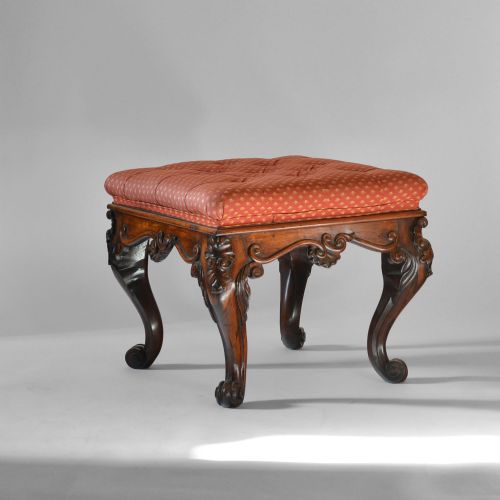
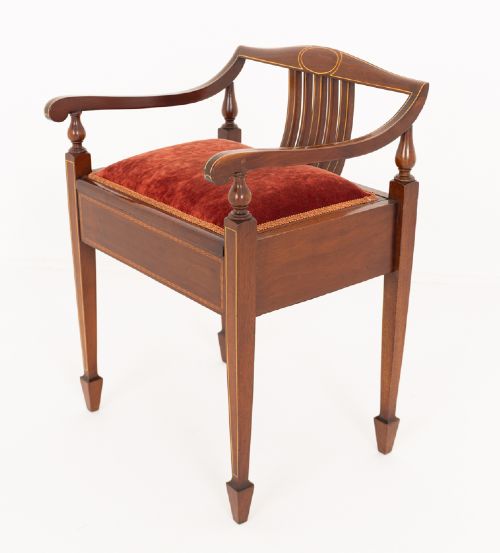
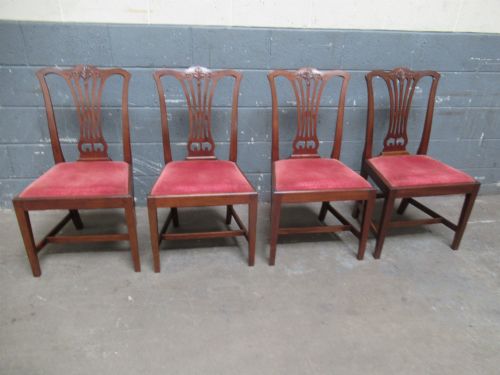


Vintage Red Wooden Seat
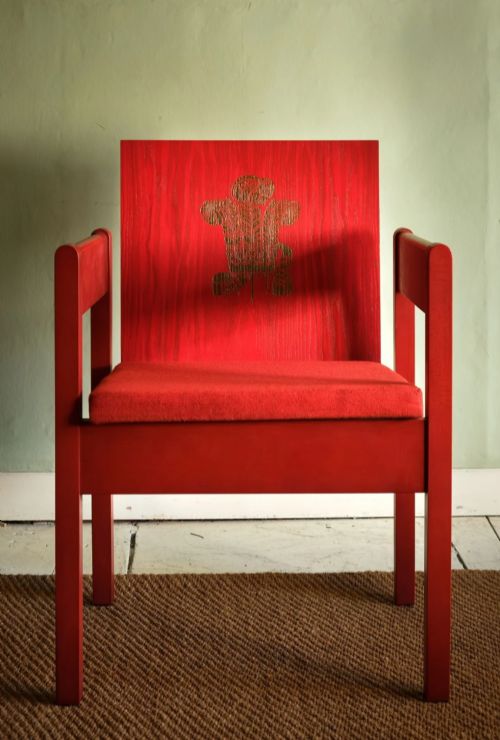
A vintage red wooden seat brings warmth and character to a room through painted finishes and rich timber tones.
Vintage Red Wooden Seat
A vintage red wooden seat encompasses various forms such as dining chairs, armchairs, benches, stools, and settling pieces originating from periods ranging from the eighteenth century to the mid-twentieth century.
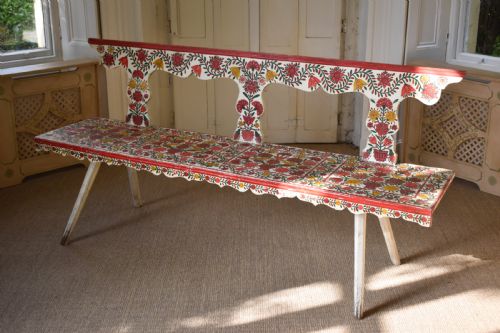
Buyers seeking a vintage red wooden seat will encounter painted folk art marriage benches, walnut stools with red hues, and chairs finished in striking red paint or crimson upholstery.
Materials and construction methods
Carpenters utilised timbers such as mahogany, walnut, rosewood, and pine, often enhancing the timber frames with brass inlay, carved details, or turned elements.
Surfaces frequently display applied paint finishes, notably in European folk art and marriage bench traditions, alongside exposed polished wood grains.
Upholstered variants incorporate materials like velvet, leather, fabric, and needlepoint secured to the wooden frames.
Vintage Red Wooden Seat Retail Price Guide 2026
Typical asking prices for vintage red wooden seat among the pieces listed under this phrase on Sellingantiques today, from the lower quarter to the upper quarter. They describe what is for sale here now, not the wider market.
One listed child's high chair hails from Hindeloopen, where painted wooden furniture traditionally brightened compact Dutch homes.
Distinctions in quality and execution
Quality reveals itself through the crispness of carved wooden details, the precision of brass inlays, and the integrity of the joinery across frames and legs.
The survival of original painted surfaces on folk art pieces and settles heavily influences the character and desirability of the seating.
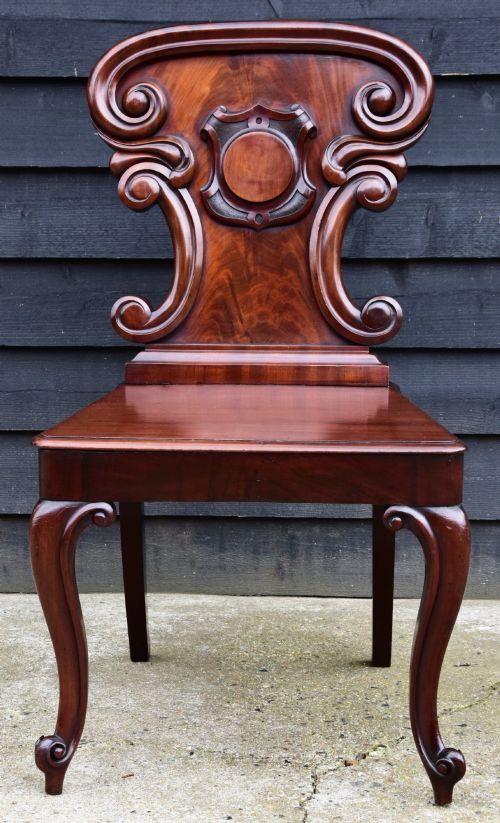
Proportion and balance between the timber frame, whether cabriole leg, sabre leg, or straight form, and the seat define the success of the piece.
The Vintage Red Wooden Seat Glossary
- Cabriole leg
- A furniture leg that curves outward at the knee and tapers inward toward the ankle, often ending in a pad or claw foot. This form appears frequently on eighteenth-century walnut and mahogany seating.
- Settle
- A wooden bench with a high back, solid arms, and enclosed storage or a solid skirt beneath the seat to block drafts. Austrian examples often feature painted decoration.
- Hall chair
- A rigid wooden seat designed for an entrance hallway, usually featuring a solid timber seat and a carved or painted back displaying a crest or motif.
- Bergere
- An enclosed upholstered armchair with exposed wooden framing and woven cane panels lining the sides and back. These frames are typically fashioned from walnut or mahogany.
- Needlepoint
- Stitched canvas embroidery executed in wool or silk, commonly utilised as original upholstery on nineteenth-century stools and chair seats.
Vintage Red Wooden Seat: Frequently Asked Questions
Where should I place a wooden bench?
Painted benches and settles suit hallways, boot rooms, or large kitchens where their sturdy timber construction withstands daily use. They offer practical seating while introducing historic colour and folk art character to a plain wall.
Positioning them away from direct heat sources protects the old wood and any original painted surface from drying or cracking over time.
How do I care for painted wooden seats?
Painted wooden surfaces require gentle dusting with a dry, soft cloth rather than modern chemical cleaning sprays. Maintaining a stable indoor humidity prevents the historic timber beneath the paint from expanding and contracting.
Applying a microcrystalline wax to unpainted wood sections helps preserve the finish without harming delicate painted areas.
Can I use antique dining chairs daily?
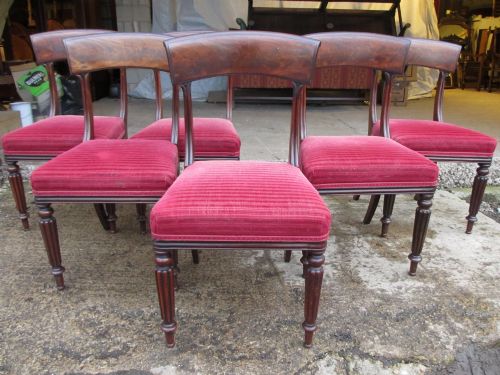
Solid mahogany and walnut dining chairs constructed in the eighteenth and nineteenth centuries were built for regular use and remain structurally robust. Checking the stability of the joints periodically ensures they safely support daily seating.
Matching sets or grouped chairs bring historical presence to a dining table while serving practical family functions.