




Red Wood Hall Table
A red wood hall table offers a striking focal point for an entrance, bringing rich colour and historic presence to your hallway.
Red Wood Hall Table
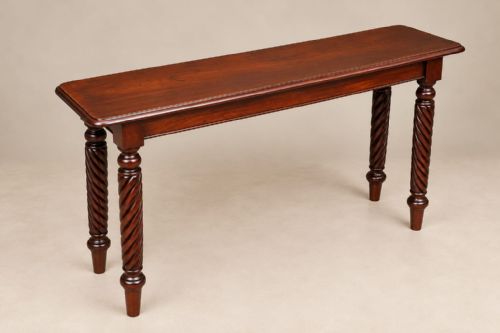
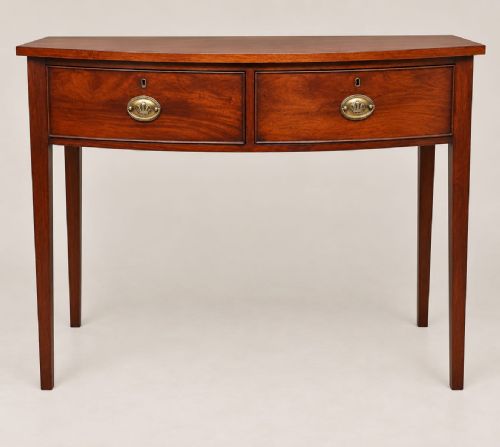
A red wood hall table encompasses various forms designed for hallways and living spaces, ranging from console and side tables to dedicated hall tables. When you search for a red wood hall table, you encounter pieces shaped by distinct periods including the Georgian era, the nineteenth century, and nineteen thirty.
The selections available span multiple stylistic traditions, notably Chinese Chinoiserie and Qing Dynasty designs alongside European Rococo Revival, Regency, and Baroque styles. Elm, walnut, and mahogany frequently form the structural foundation of these tables.
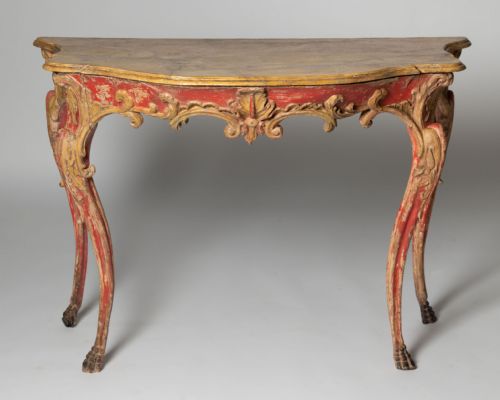
Many examples utilise vibrant surface treatments such as red lacquer, paint, and gold leaf rather than plain timber. Console tables and altar tables dominate the forms, providing narrow profiles suited to entranceways.
Construction and Materials
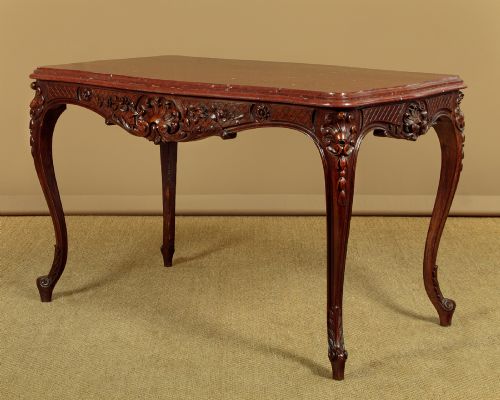
Carpenters utilised dense hardwoods like mahogany, walnut, and elm to build the structural carcase of these tables, employing traditional joinery. Carved details often enrich the wooden frames, particularly on pieces influenced by Rococo and Baroque revivals.
Surface decoration frequently involves red lacquer applied in layers, sometimes augmented with gesso and gold leaf to create intricate Chinoiserie motifs. Marble tops, specifically rouge marble, appear on certain nineteenth-century centre and console tables to provide a durable and luxurious upper surface.
Red Wood Hall Table Retail Price Guide 2026
Typical asking prices for red wood hall table among the pieces listed under this phrase on Sellingantiques today, from the lower quarter to the upper quarter. They describe what is for sale here now, not the wider market.
Several tables wear bright red lacquer that has survived centuries of being bumped by boots in busy hallways.
Assessing Quality
The refinement of the surface decoration determines much of the visual success in lacquered and painted pieces, separating expertly rendered Chinoiserie scenes from simpler applications. The crispness of carved woodwork, whether on elm, walnut, or mahogany, indicates the competence of the maker.
Proportion and the integration of materials, such as the fitting of a rouge marble top to a carved wooden base, dictate the structural harmony of the table. Pieces originating from distinct design movements like the Qing Dynasty or the Georgian period carry varying degrees of stylistic authenticity.
The Red Wood Hall Table Glossary
- Chinoiserie
- European decorative style inspired by Chinese artistic traditions, frequently featuring lacquered surfaces and painted motifs. This aesthetic gained popularity across various historical periods.
- Altar table
- A traditional Chinese table form characterised by elongated proportions and often upturned ends. These pieces served ceremonial functions before entering domestic interiors.
- Console table
- A wall-mounted or freestanding table designed to stand against a vertical surface, often supported by ornate legs or brackets. They frequently feature in entrance halls.
- Gesso
- A plaster-like mixture applied to wood as a base for paint or gold leaf decoration. It provides a smooth surface for detailed ornamentation.
- Rouge marble
- A deep red variety of marble with white or grey veining, frequently utilised for table tops during the nineteenth century. It adds considerable weight and colour contrast to wooden bases.
Red Wood Hall Table: Frequently Asked Questions
Where should I place a hall table?
These tables fit naturally against entrance walls where their narrow profiles do not obstruct movement. They provide a surface for post, keys, or decorative lamps.
Matching the table style to your existing interior architecture helps integrate the piece into the room.
How do I care for lacquered wood?
Dust surfaces gently with a soft, dry cloth to protect the delicate lacquer and painted finishes. Avoid placing these tables in direct sunlight or near heat sources.
Keep moisture away from unsealed wooden elements and gesso decorations to prevent cracking.
What defines a console table?
Console tables are designed to stand flat against a wall, historically supported by wall brackets or decorative legs. Their shallow depth distinguishes them from standard centre tables.
Many examples feature elaborate carving on the front and sides while leaving the back plain.
How do I identify a Georgian piece?
Georgian furniture generally displays restrained classical proportions and robust timber construction, particularly in mahogany. Stylistic cues often reference classical architecture rather than ornate revival motifs.
Examining the underside and interior joinery helps confirm the period of manufacture.