
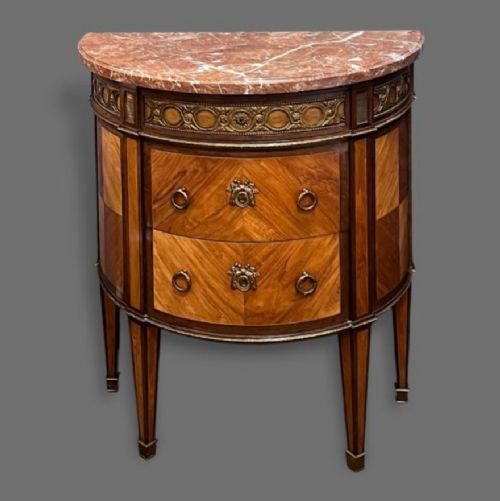
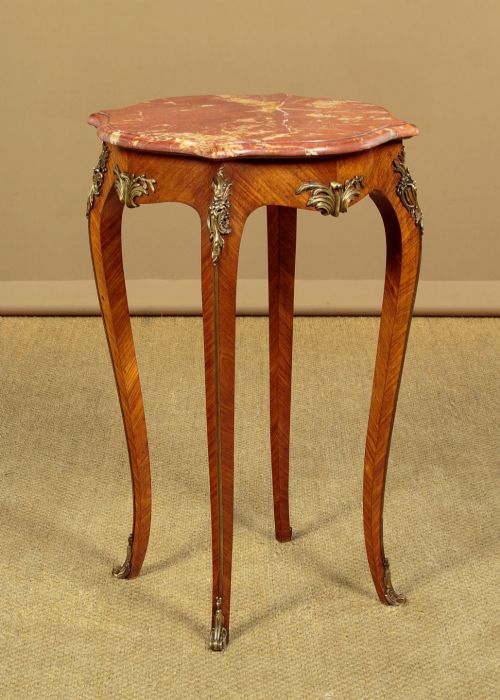


Red Walnut Table
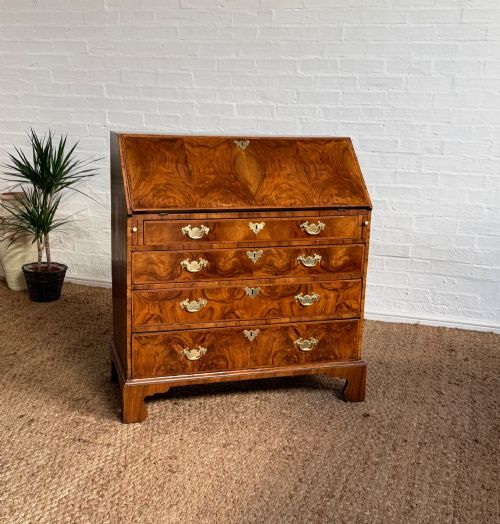
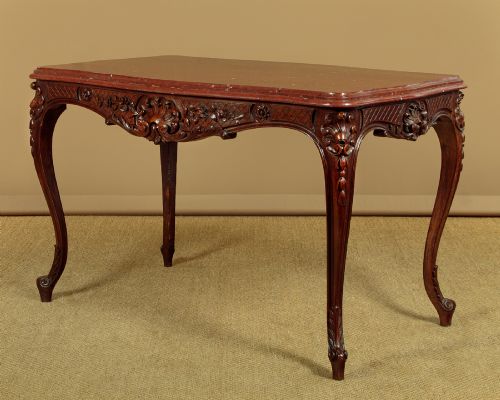
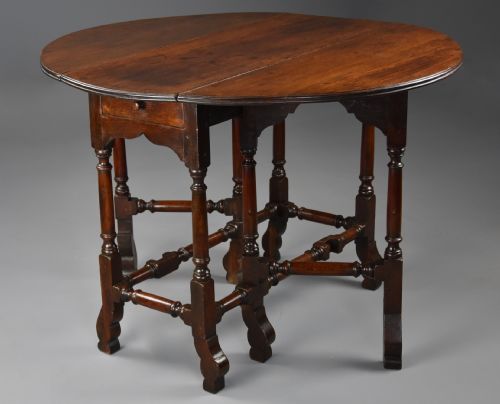
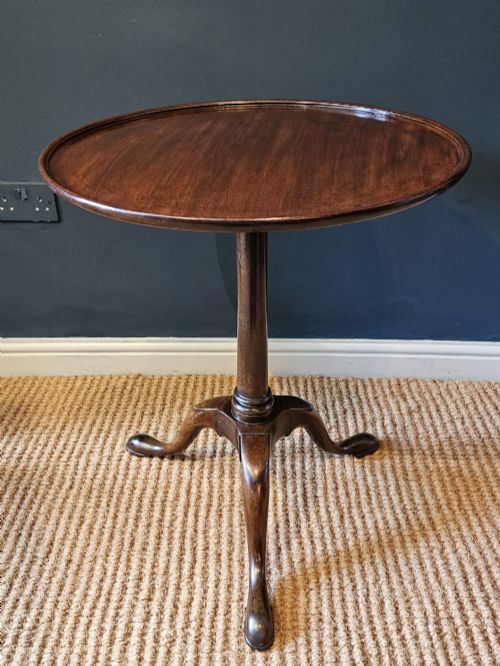
A red walnut table brings rich grain and warm tone to a room, ranging from small 18th-century lowboys to larger Georgian dining forms.
Red Walnut Table
When searching for a red walnut table, buyers encounter a variety of forms spanning several centuries, with particular emphasis on 18th-century Georgian examples and later Victorian or Edwardian interpretations. The selection frequently includes drop-leaf dining tables, lowboys, gateleg tables, and tripod tea tables alongside occasional and writing pieces.
The material itself defines the group, showing the distinct reddish warmth characteristic of early walnut timbers before burr and figured veneers became dominant in the Victorian and Art Deco eras. Pieces range from small proportions suited to bedside or corner placement up to larger refectory and centre tables designed for principal rooms.
How they were made
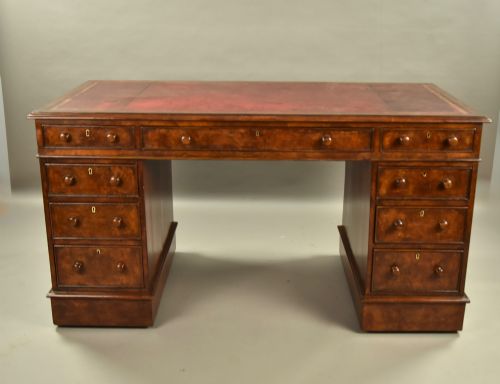
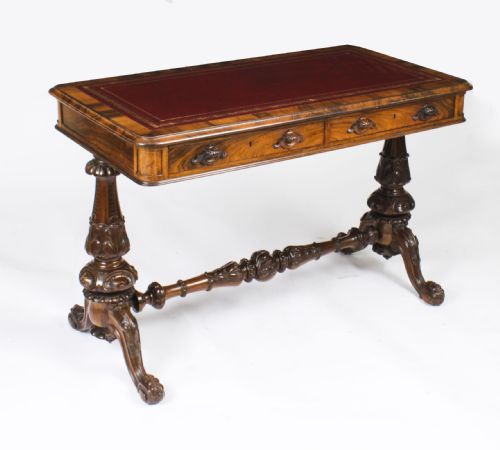
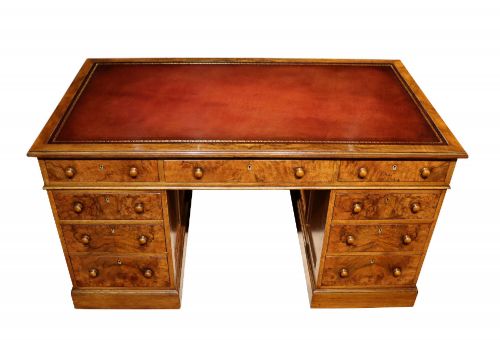
Cabinetmakers utilised solid timbers and veneers of walnut, frequently combining them with secondary woods like oak or incorporating brass hardware, leather writing inserts, and rouge marble tops. Tables from the Georgian period often rely on solid construction with clever folding or drop-leaf mechanisms, whilst 19th-century examples frequently employ detailed carving, inlay, and pedestal bases.
Surface finishes were applied to enhance the natural figure of the timber, developing a deep patina over generations of use. Tripod tables and desks utilise traditional joinery such as dovetailing for drawers and tenon joints for frames, ensuring structural stability across varying forms.
Listings feature 18th-century, Georgian, and Victorian periods, alongside materials like brass, leather, marble, and oak.
What varies in quality
The distinction between standard examples and superior pieces rests on the choice of timber figure, the crispness of carved details such as claw and ball feet, and the integrity of the original surfaces. Tables retaining their early patina and unaltered proportions command greater appreciation than those with heavily restored or replaced elements.
Construction refinement also marks the upper tier, visible in the smoothness of drawer operations, the weight and quality of inset brass or leather, and the balance of secondary woods used beneath the primary walnut exterior.
Edwards & Roberts·L.Martin of Paris
The Red Walnut Table Glossary
- Lowboy
- A small dressing table or side table featuring one or more rows of drawers beneath a flat top, typically raised on cabriole legs. These pieces date predominantly from the early 18th century.
- Gateleg table
- A table with hinged leaves supported by swing legs that move outward like a gate to hold the leaves upright when opened. This form allows for flexible use of space in smaller rooms.
- Snap top table
- A table with a hinged top that can be tilted into a vertical position when not in use, often mounted on a central pillar with tripod legs. Also known as a tilt-top table.
- Patina
- The surface sheen and mellowing of colour developed by wood and other materials over decades or centuries of handling and exposure. It serves as an indicator of age and genuine use.
- Kneehole desk
- A compact desk featuring a central recess for the user's knees, flanked by pedestals containing banks of small drawers. Georgian examples often include a concealed dressing drawer.
Red Walnut Table: Frequently Asked Questions
How do I date a red walnut table?
Dating relies on examining the construction methods, timber characteristics, and hardware associated with specific periods like the Georgian era or the Victorian age. Secondary woods and tool marks underneath provide further clues to age.
Early 18th-century pieces often feature solid red walnut with hand-cut joinery, whilst later 19th-century examples introduce veneered surfaces, mechanical extension systems, and different secondary timbers.
Where were lowboys used in the home?
Lowboys served primarily as dressing tables in bedrooms or as side tables in reception rooms for holding small personal items or writing materials. Their compact size made them versatile for various domestic spaces.
Over time, these versatile pieces moved between principal chambers and hallways depending on changing household fashions and requirements.
How should I care for a walnut surface?
Maintaining walnut involves keeping the wood away from direct heat sources and strong sunlight, which can dry out the timber and fade the colour. Regular dusting with a soft, dry cloth preserves the finish.
Occasional application of appropriate wax feeds the wood and helps protect the patina built up over generations without creating a glossy buildup.
What is the difference between solid walnut and veneered walnut?
Solid walnut utilises thick planks of timber for the main structural and visible surfaces, typical of earlier Georgian furniture. Veneered walnut applies thin slices of highly figured timber over a stable secondary wood core.
Veneering became popular later in the 19th and 20th centuries because it allowed makers to display dramatic grain patterns, such as burr walnut, without risking the warping associated with large solid boards.