




Red Velvet Vitrine
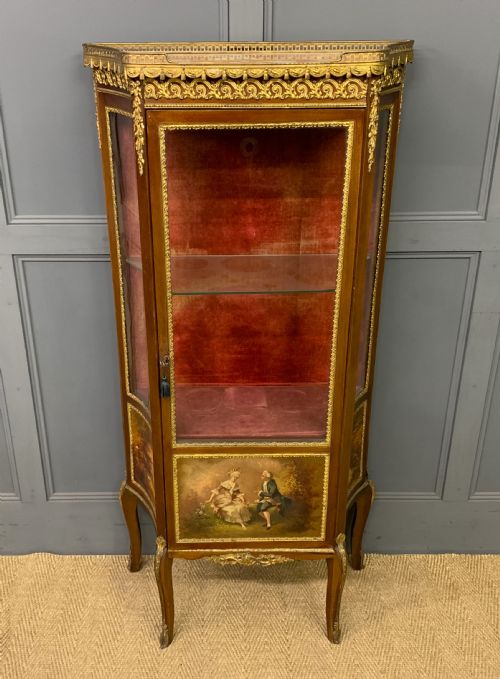
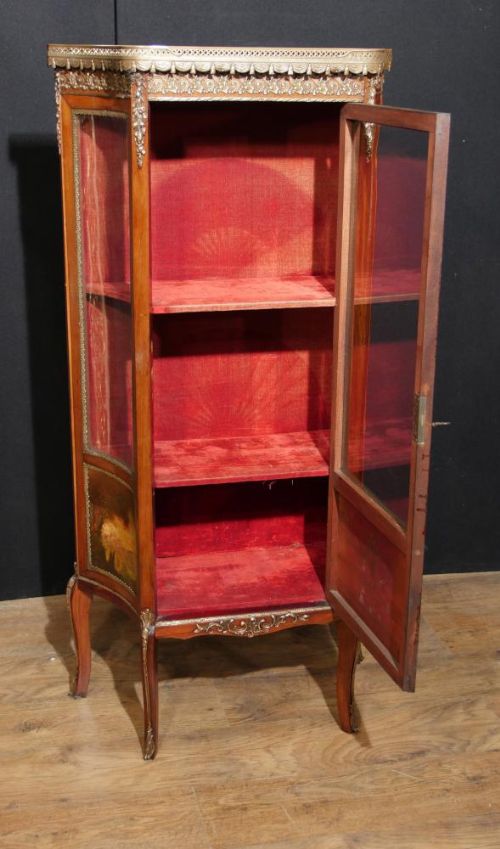
These red velvet vitrine pieces combine mahogany and glass with rich fabric linings to display precious objects.
Red Velvet Vitrine
A red velvet vitrine brings together glazed display architecture and soft textile interiors, designed specifically to showcase small valuables and collector pieces. When searching for a red velvet vitrine, buyers encounter items ranging from freestanding cabinets to low glass-topped tables.
The pieces listed here span the nineteenth century into the twentieth, taking forms such as Edwardian display cabinets, French Louis XV style vitrines, and pentagonal shop counters. Mahogany forms the primary structural carcass across many examples, complemented by glass panels on multiple sides.
Origin and period dictate the character of each cabinet, with nineteenth-century French revival pieces sitting alongside later Edwardian and commercial examples. The internal lining of red velvet provides a contrasting backdrop that highlights items placed within the display space.
How they were made
Carpenters built the carcasses of these cabinets using timber such as mahogany, rosewood, kingwood, and yew, joined to glass panels that permit all-around viewing. Ormolu and gilt bronze mounts appear frequently as decorative edging and corner accents.
Makers integrated painted panels, including Vernis Martin techniques, alongside hand-painted satinwood details on specific cabinet doors and friezes. Textile workers then fitted the interior surfaces with red velvet fabric to cushion and frame the objects on display.
Red Velvet Vitrine Retail Price Guide 2026
Typical asking prices for red velvet vitrine among the pieces listed under this phrase on Sellingantiques today, from the lower quarter to the upper quarter. They describe what is for sale here now, not the wider market.
Even pentagonal shop counters found a second life displaying treasures instead of ledger books.
What varies in quality
The refinement of the cast ormolu mounts and the precision of the timber joinery separate standard commercial cabinets from exceptional examples. Cabinet-makers who invested time in hand-painted panels or complex curved glass panes produced work of higher distinction.
Proportion and the integration of secondary timbers like satinwood or kingwood influence the visual weight of the furniture. The condition and original placement of the red velvet lining also play a role in how completely a piece retains its intended aesthetic.
Angela Kaufman
The Red Velvet Vitrine Glossary
- Vitrine
- A glass-fronted cabinet or case designed for displaying fine objects and porcelain. The form developed in France and became central to nineteenth-century interior decoration.
- Bijouterie table
- A low display table with a glazed top and velvet-lined interior used for holding jewellery and trinkets. These pieces often stand on slender cabriole or tapered legs.
- Ormolu
- Gilt bronze applied as a decorative mount to furniture and clocks. The technique involves treating metal with an amalgam of gold and mercury.
- Vernis Martin
- A simulated Japanese lacquer technique developed by the Martin brothers in eighteenth-century France. Cabinet-makers later revived the style on nineteenth-century vitrines.
- Satinwood
- A durable hardwood with a lustrous, golden-yellow sheen used for inlay and banding. Craftsmen paired it with darker mahogany to create contrasting borders.
Red Velvet Vitrine: Frequently Asked Questions
What are these cabinets used for?
These glass-fronted cases and tables serve to display collections of small antiques, porcelain, and jewellery while protecting them from dust. The glazed panels allow viewers to observe items from multiple angles.
Interior velvet linings provide a soft, non-reflective surface that enhances the visual presentation of metallic and ceramic objects.
How do I style a vitrine at home?
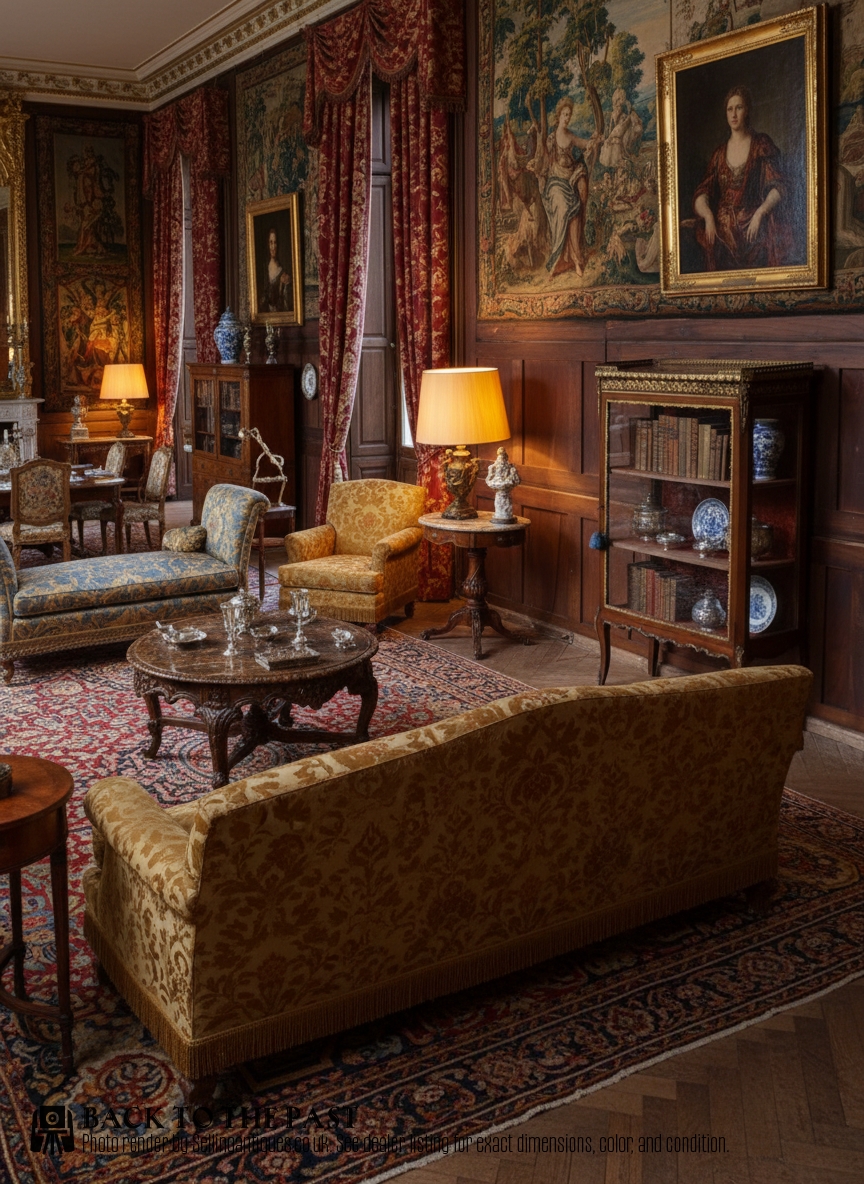
Place a freestanding cabinet or bijouterie table in a drawing room or hallway where natural light can pass through the glass panels. Group objects of varying heights inside to maintain visual balance against the red velvet background.
Keep the interior arrangements uncluttered so each piece remains distinct within the display case.
How do I tell Edwardian pieces apart from nineteenth-century ones?
Edwardian cabinets often feature lighter satinwood inlay and simpler proportions compared to the heavier revival styles of the nineteenth century. Makers during the Edwardian era frequently utilised mahogany carcass structures with restrained brass or ormolu mounts.
Nineteenth-century examples tend to display bolder French Rococo or Louis XV revival curves alongside more elaborate gilt bronze decoration.
Are bijouterie tables secure?
Bijouterie tables incorporate hinged or lift-off glass tops that protect contents from handling while remaining accessible to the owner. Many include working locks to secure valuable contents safely within the velvet-lined well.
The sturdy timber frames provide stable support for everyday viewing in a domestic setting.