






Red Ushak Rug
A red ushak rug brings warmth and historic pattern to a room through traditional Anatolian design.
Red Ushak Rug
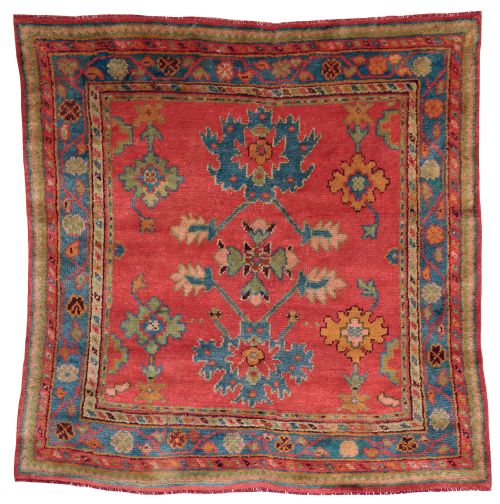
When searching for a red ushak rug, buyers examine hand-knotted floor coverings originating from the town of Ushak in Turkey. These pieces span from the late nineteenth century into the early twentieth century, encompassing Victorian and Edwardian production dates.
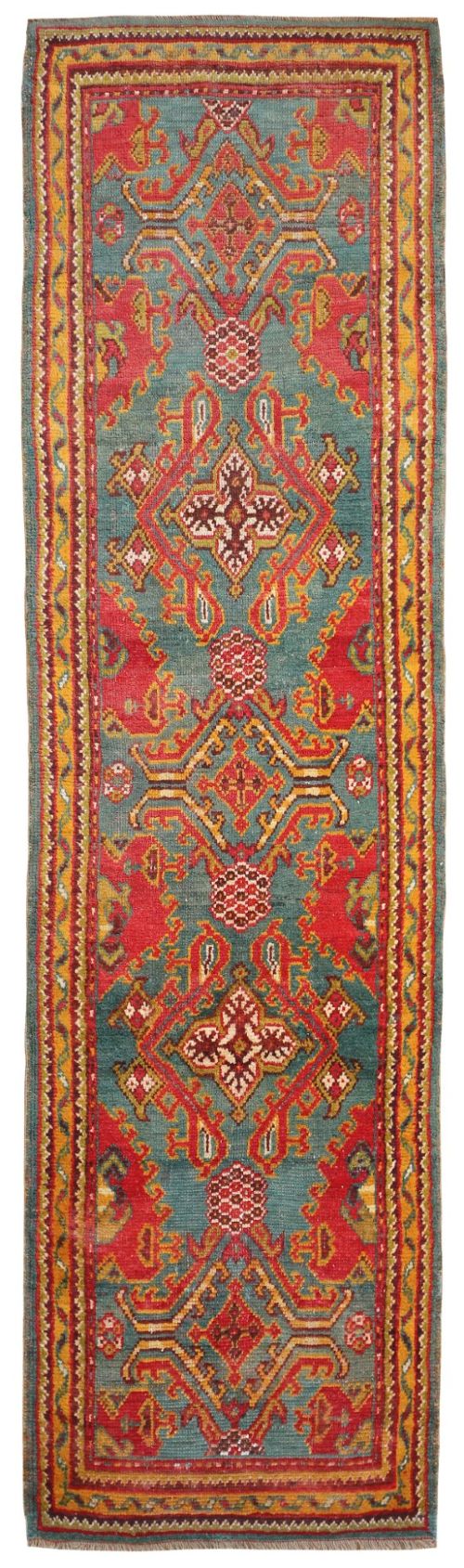
The most common formats found in this selection are large decorative carpets and smaller area rugs, alongside specific runner rugs and flat-woven kilims. Designs often incorporate traditional star ushaks or regional Anatolian motifs associated with Ottoman Turkish heritage.
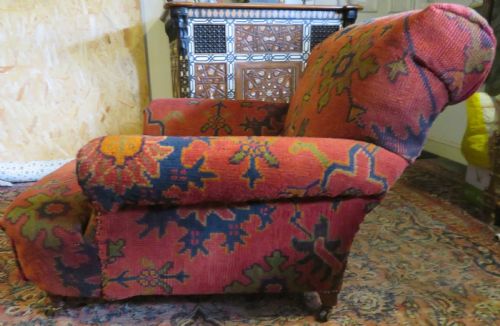
The inventory also includes unusual related objects such as club armchairs upholstered in ushak carpet material, as well as European interpretations like Donegal carpets created using eighteenth-century ushak designs.
How they were made
The construction of these textiles relies primarily on natural wool and cotton materials, with specific examples utilising softer angora wool for added texture. Weavers knotted these fibres onto supportive foundations to create resilient floor coverings designed for domestic use.
Alongside textile production, related items incorporate structural elements of wood and brass, particularly in furniture pieces upholstered with carpet fragments. Traditional dyeing and weaving techniques defined the regional workshops of Anatolia during the production periods.
Red Ushak Rug Retail Price Guide 2026
Typical asking prices for red ushak rug among the pieces listed under this phrase on Sellingantiques today, from the lower quarter to the upper quarter. They describe what is for sale here now, not the wider market.
One unexpected hybrid in the collection wraps a nineteenth-century Ottoman design entirely around a club armchair.
What varies in quality
The standard of a piece depends on the fineness of the knotting and the complexity of the wool used, with angora wool variations offering a distinct handle. The clarity of the Anatolian or Ottoman design motifs also influences the visual impact of each carpet.
Scale and proportion separate standard room-size carpets from enormous decorative rugs or narrow runners. Preserved pile height and structural integrity across the cotton foundation determine how well a rug survives decades of daily foot traffic.
Howard And Sons
The Red Ushak Rug Glossary
- Ushak
- A traditional style of carpet originating from the town of Ushak in western Turkey, known for large-scale floral and geometric motifs. These designs influenced rug production across the Ottoman Empire and later European workshops.
- Kilim
- A flat-woven carpet or rug produced without a pile, created by tightly interweaving warp and weft strands. This technique results in a lighter textile with a smooth surface.
- Angora wool
- A specialised fibre sourced from Angora goats, utilised in select rugs for its soft texture and subtle sheen. It provides a different tactile quality compared to standard sheep wool.
- Anatolian
- Pertaining to the geographic region of Asia Minor, encompassing traditional Turkish rug-making methods and cultural motifs. The term connects these textiles to historic craft centres.
- Runner
- A long, narrow carpet format designed specifically for hallways, corridors, or staircases. These pieces maintain the decorative patterns of larger carpets within a restricted width.
Red Ushak Rug: Frequently Asked Questions
What is a red ushak rug?
A red ushak rug is a hand-knotted floor covering originating from the Turkish town of Ushak, characterised by traditional Anatolian and Ottoman design influences.
These textiles date primarily from the late nineteenth and early twentieth centuries, featuring wool and cotton construction in various formats from small mats to large decorative carpets.
How do I date an antique ushak?
Dating involves examining the structural materials, the style of the wool, and the specific Anatolian or Ottoman design characteristics present in the weave.
Most pieces in this category originate from production periods spanning the late Victorian era through the early twentieth century.
Where were these rugs made?
These rugs were produced in Ushak and the surrounding Anatolian region of Turkey, which has a long history of traditional carpet weaving.
Some related items also reflect European adaptations, such as Irish workshops producing carpets based on traditional ushak designs.
How do I care for a wool rug?
Proper maintenance involves regular gentle vacuuming without a rotating brush to protect the natural wool and cotton fibres.
Professional cleaning suited for antique textiles helps preserve the dyes and structural integrity of the weave over time.