


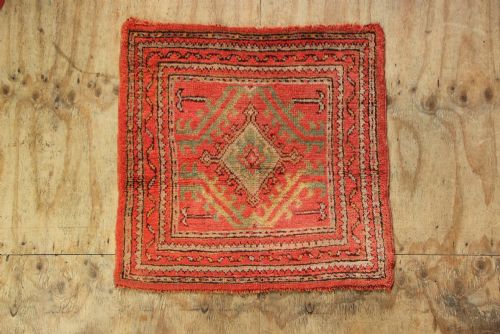


Red Turkish Wool Carpet
A red turkish wool carpet brings centuries of nomadic and village weaving traditions directly to the floor.
Red Turkish Wool Carpet
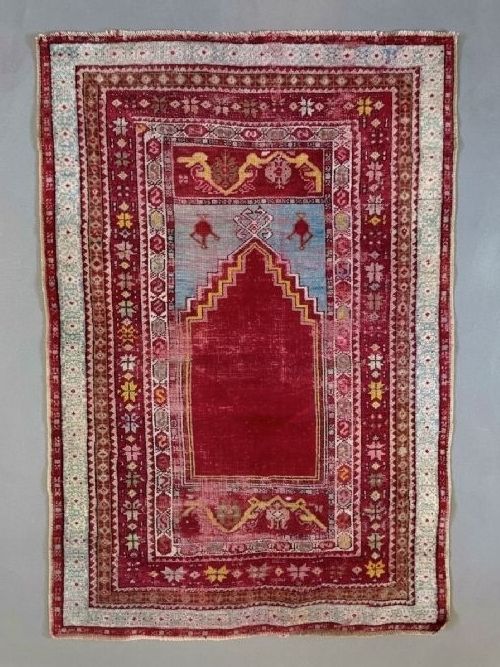
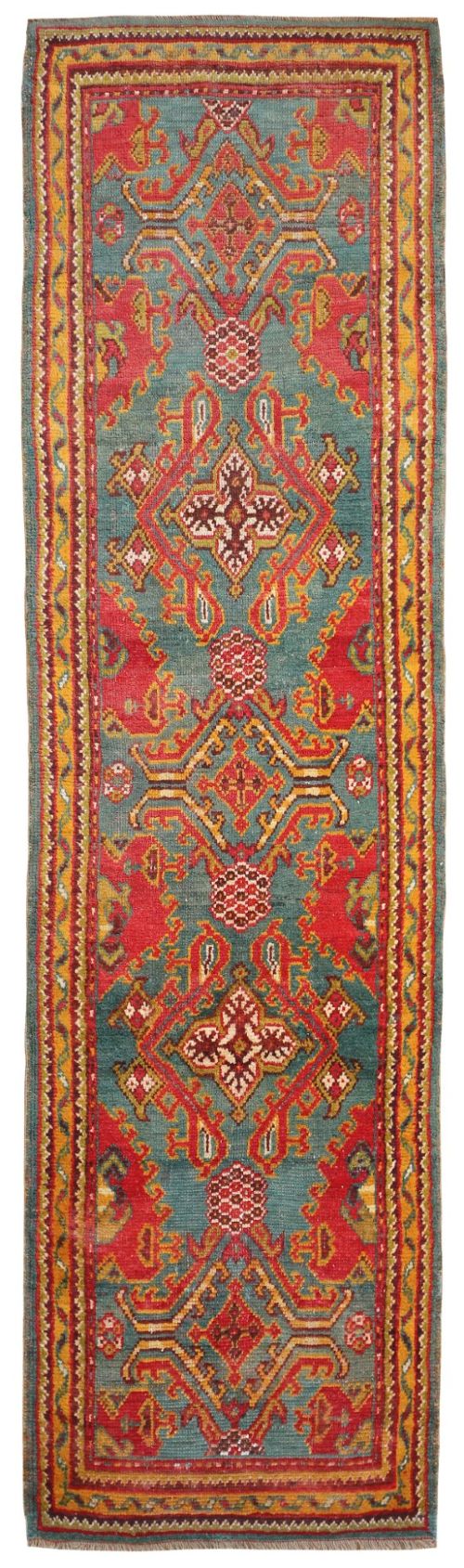
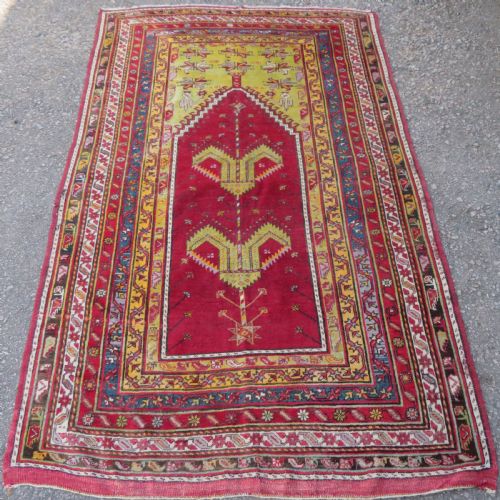
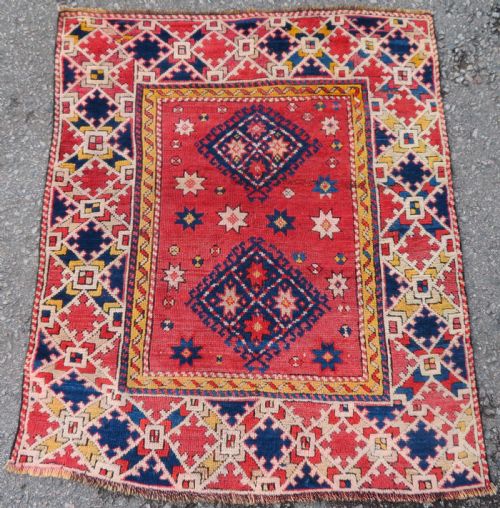
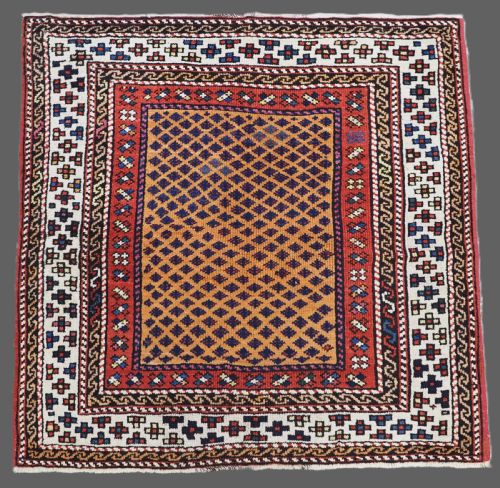
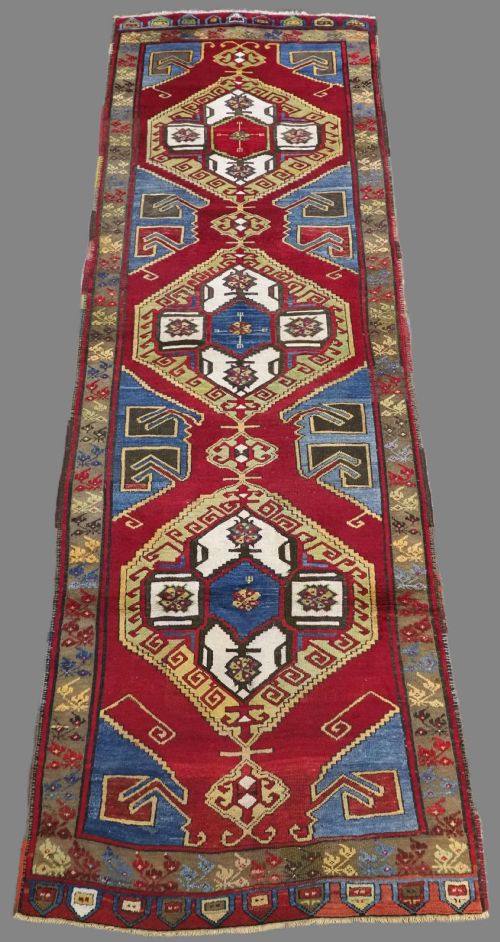
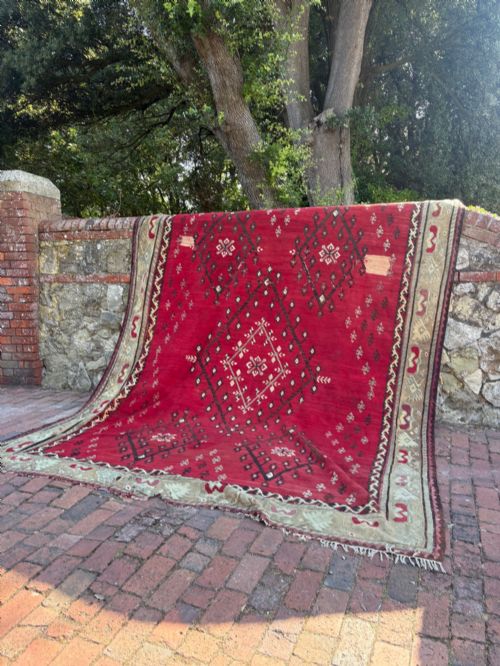
A red turkish wool carpet encompasses a wide range of woven floor coverings originating from Anatolian regions, featuring rich red tones that dominate the palette. Buyers seeking a red turkish wool carpet will encounter various formats on this page, including long runners, square rugs, and large decorative carpets created in villages and towns.
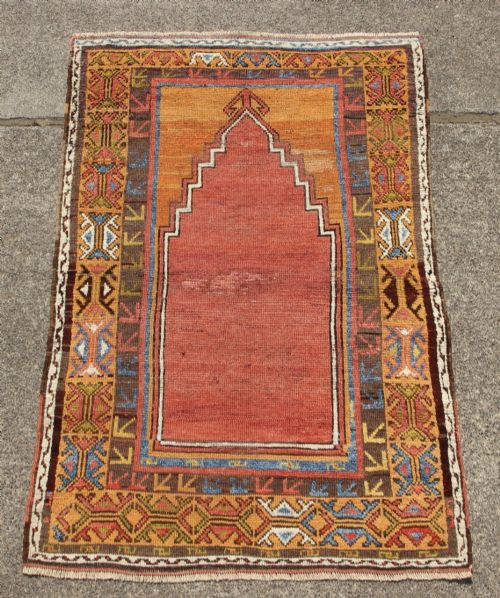
The selection includes specific regional weaving types such as Ushak, Konya, Bergama, and Kirsehir, alongside prayer rugs and flatweave kilims. These pieces date from the eighteenth century through to the early twentieth century, reflecting traditional tribal and Ottoman aesthetics.
How they were made
Weavers constructed these carpets using wool, hand-spun wool, and angora wool, often combined with cotton foundations for stability. Natural dyes provided the characteristic red hues and secondary colours found across the pieces.
Production methods ranged from detailed pile knots executed on upright looms to flatweave techniques seen in kilims. Village workshops utilised local materials and traditional geometric or floral motifs passed down through generations.
Listings feature carpets spanning from the eighteenth century to the 1930s, utilising wool, cotton, and natural dyes.
What varies in quality
Quality in these carpets rests on the fineness of the knotting, the complexity of the design, and the integrity of the wool. Superior examples display dense pile and precise execution of regional motifs.
The vibrancy and depth of the natural dyes also distinguish finer carpets from simpler village productions. Condition plays a role, though historical repairs and patination are common attributes of genuine age.
The Red Turkish Wool Carpet Glossary
- Prayer rug
- A small carpet featuring a mihrab or niche design, traditionally used for daily Islamic prayers and oriented in a specific direction.
- Kilim
- A flatweave carpet or rug produced without a pile, created by tightly interweaving warp and weft strands.
- Ushak
- A major carpet-producing town in western Anatolia known for large-scale decorative carpets and distinctive medallion designs.
- Warp
- The vertical threads stretched on a loom that form the structural foundation of the carpet.
- Weft
- The horizontal threads passed across the warp threads to hold the knots in place.
Red Turkish Wool Carpet: Frequently Asked Questions
How do I identify a village rug?
Village rugs often display less rigid geometric patterns and regional colour choices unique to specific settlements. These pieces reflect local weaving traditions rather than commercial workshop standards.
Makers utilised materials readily available to them, resulting in varied wool textures and organic dye variations.
What is a prayer rug used for?
Prayer rugs were designed with a distinct architectural arch motif representing the mihrab found in mosques. Owners placed them on the floor to kneel upon during daily prayers.
Over time, many of these portable textiles transitioned into decorative wall hangings or floor coverings.
How should I clean a wool carpet?
Wool carpets require gentle care, typically involving regular light vacuuming without a beater bar. Professional cleaning tailored to antique textiles is recommended for deeper maintenance.
Avoid harsh chemical detergents that can strip the natural lanolin from the wool fibres and alter the natural dyes.
How do I date an antique carpet?
Dating relies on examining the types of wool, the chemical composition of the natural dyes, and stylistic indicators. Specific knot structures and design motifs correlate with particular centuries and regions.
Comparison with documented examples from the same weaving centres provides further chronological context.