



Red Tribal Rug Panel
A red tribal rug panel brings together nomadic textile traditions from Central Asia and Persia, prized for rich colour and striking geometric motifs.
Red Tribal Rug Panel
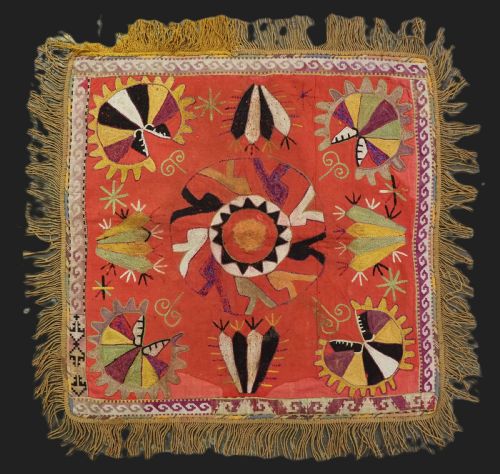
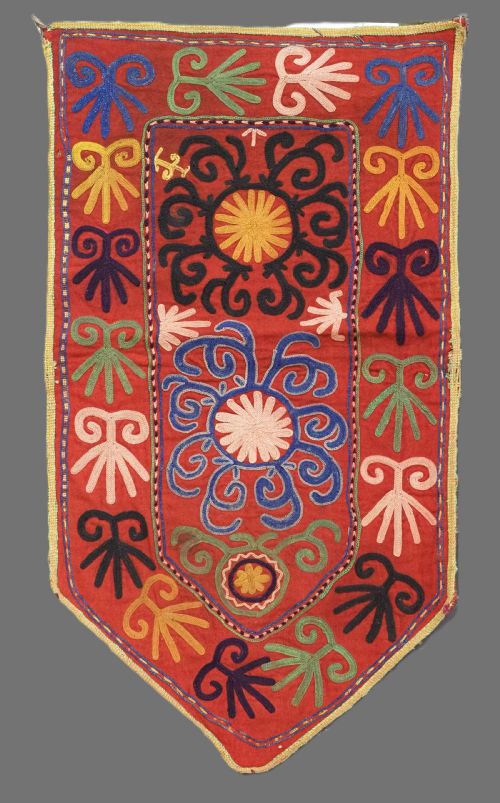
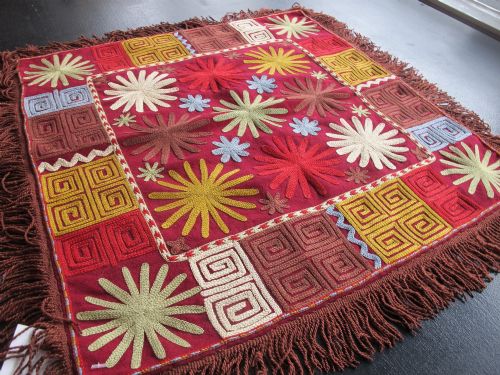
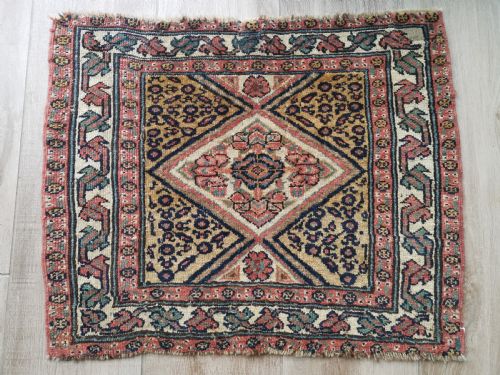
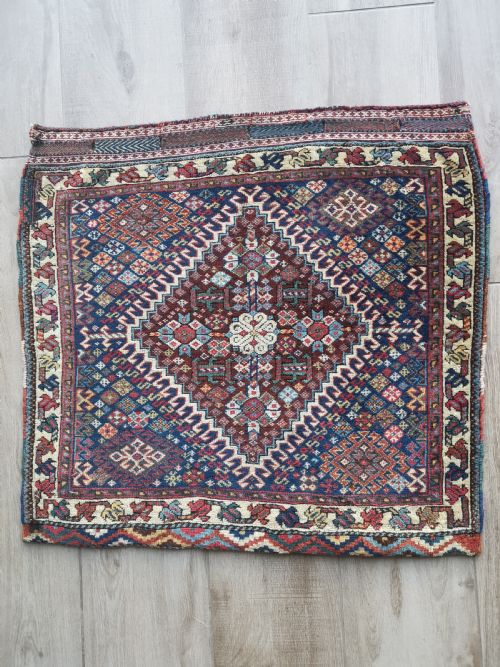
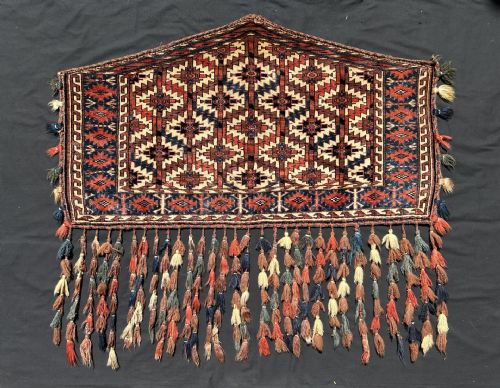
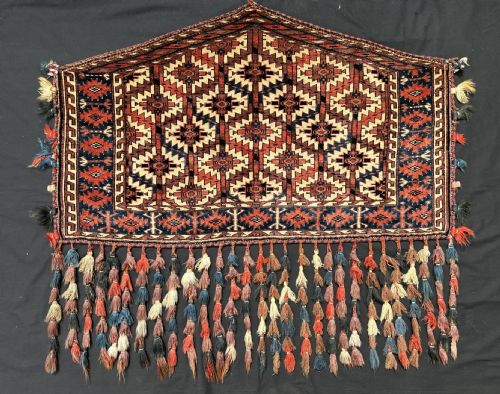
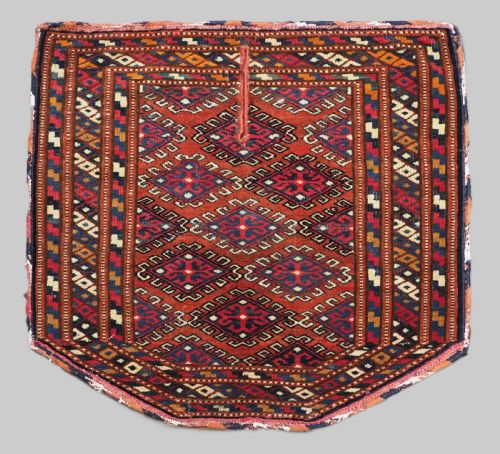
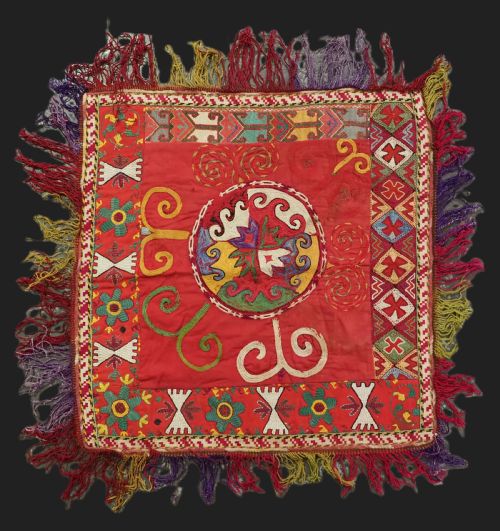
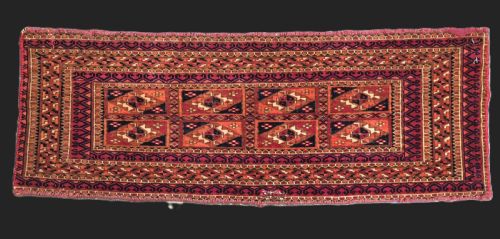
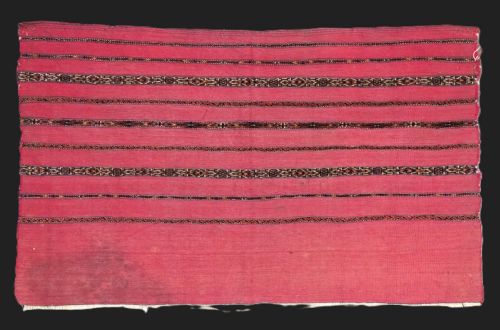
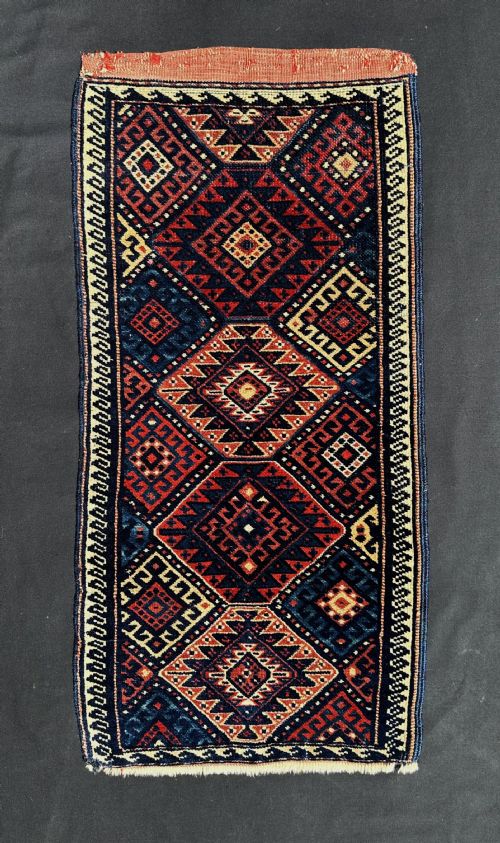
A red tribal rug panel encompasses various fragments, bag faces, and decorative wall hangings produced by nomadic and village groups. Buyers searching this phrase typically encounter dowry embroideries, storage bag faces, and animal trappings originating from Turkmen, Uzbek, and Persian tribes.
The selections on this page feature formats such as torbas, asmalyks, andilgiches originating from the nineteenth and early twentieth centuries. These pieces function primarily as mounted wall panels or textile displays rather than floor coverings.
Originating from regions like the Trans-Caspian steppes, Uzbekistan, and Fars Province, these items reflect specific tribal identities through distinct patterns and structural layouts. They offer a direct connection to nomadic craftsmanship from periods spanning the 1850s to the 1920s.
Materials and Construction
Makers utilised hand-spun wool, cotton, and silk, frequently combining them on woolen grounds with natural dyes to achieve deep red tones. Certain examples incorporate felted wool or leather elements, adding textural variation to embroidered or woven surfaces.
Techniques range from pile weaving and flatweaving methods like sumac to complex embroidery stitches executed on silk and wool grounds. Nomad makers constructed these textiles for practical daily use as saddle bags, storage compartments, and tent furnishings before their conversion into decorative panels.
Nomadic makers sometimes incorporated camel leather into utilitarian storage bags to withstand the rigours of steppe migration.
Factors of Distinction
Quality rests in the precision of the weave or embroidery and the clarity of the design motifs, such as guls or geometric symbols. Finer examples display meticulous handling of natural dyes, resulting in harmonious colour distribution across the panel.
The integrity of the remaining structure and the vibrancy of the primary red ground separate superior pieces from standard examples. Preserved edges and intact foundational fabrics contribute to the overall visual impact of the textile.
The Red Tribal Rug Panel Glossary
- Asmalyk
- A pentagonal trapping produced by Yomut Turkmen tribes, traditionally hung on the flanks of a camel during wedding processions.
- Torba
- A small storage bag woven or embroidered by Central Asian nomads, featuring characteristic tribal motifs across the face.
- Ilgich
- A Central Asian embroidery type, often created by Lakai Uzbek women as dowry pieces for wall display.
- Gul
- A repeating medallion or floral motif central to Turkmen and other Central Asian rug designs.
- Sumac
- A flatweaving technique producing a durable, ribbed surface texture resembling embroidery on the reverse side.
Red Tribal Rug Panel: Frequently Asked Questions
What is a red tribal rug panel?
A red tribal rug panel is typically a fragment or face of a nomadic bag, trapping, or embroidery that has been mounted for display. These textiles originate from nineteenth and early twentieth-century Central Asian and Persian weaving traditions.
Such pieces showcase traditional tribal patterns executed in wool, silk, and cotton on distinctive red grounds. They serve primarily as decorative wall hangings rather than functional floor rugs.
How were these panels used originally?
Nomadic groups utilised these textiles as functional items in daily tent life and ceremonial processions. Many started as faces for storage bags, saddle covers, or animal trappings before being preserved as panels.
Items like asmalyks decorated wedding camels, while torbas stored household goods inside the yurt. Their conversion into wall panels highlights their decorative artistic merit.
How do I identify different tribal origins?
Tribal attribution relies on specific design vocabulary, structural techniques, and colour palettes. Yomut and Tekke Turkmen pieces feature distinct guls, while Uzbek Lakai embroideries use characteristic silk stitches on red wool.
Geographic regions such as Khorassan or Fars Province impart unique stylistic markers to Persian tribal bagfaces. Examining the weave structure helps differentiate between Shahsavan, Qashqai, and Baluch work.
How should I care for a textile panel?
Display these panels away from direct sunlight to protect natural dyes from fading over time. Gentle mounting prevents undue stress on aged wool, silk, and cotton foundations.
Avoid moisture and periodic professional textile conservation is recommended for fragile historic pieces. Regular light cleaning with a soft brush maintains the surface without damaging delicate fibres.