

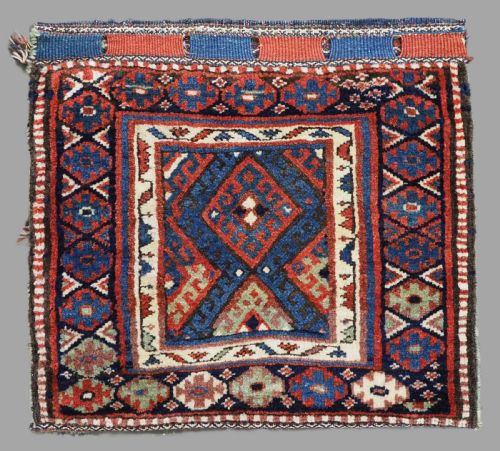


Red Tribal Cushion
These red tribal cushion pieces bring nomadic textiles into modern rooms as tactile floor and sofa pillows.
Red Tribal Cushion
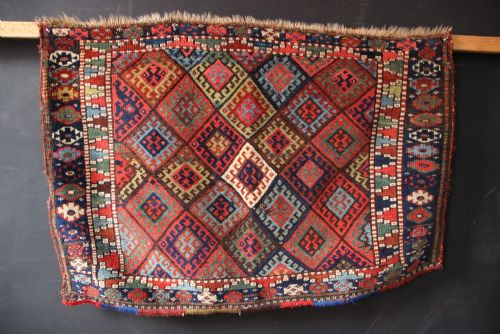
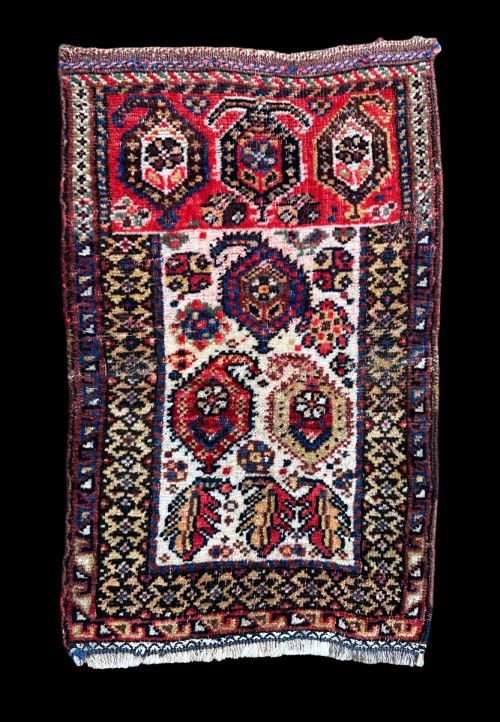
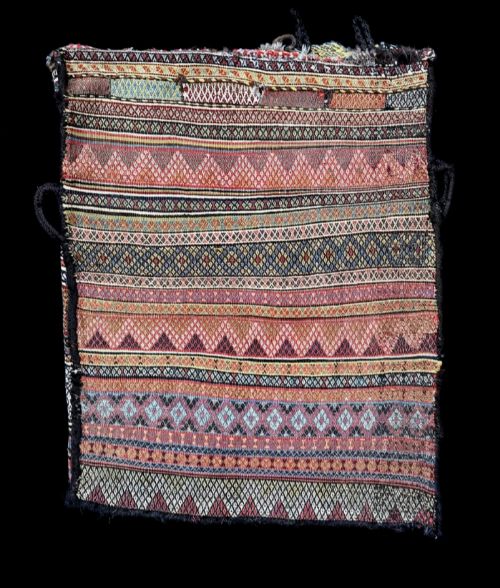
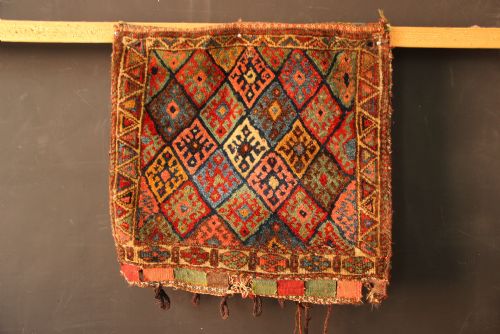
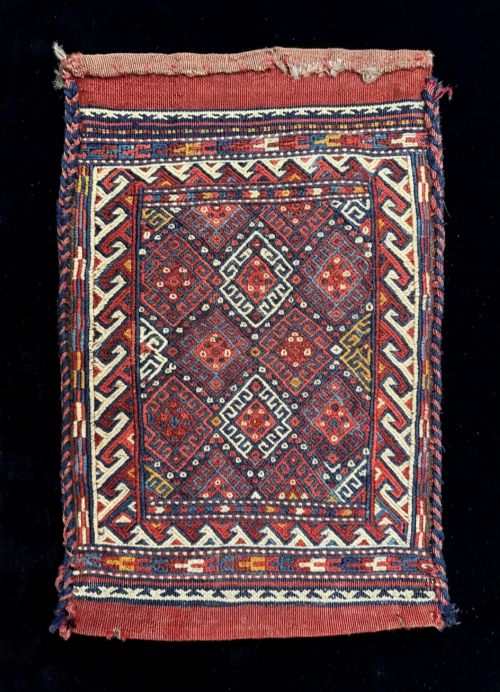
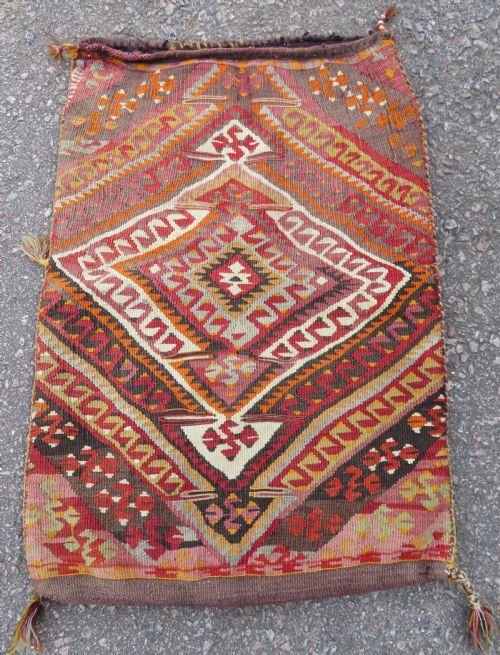
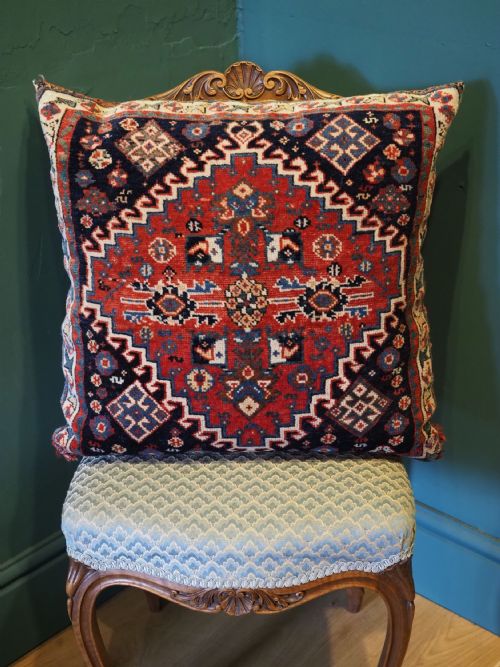
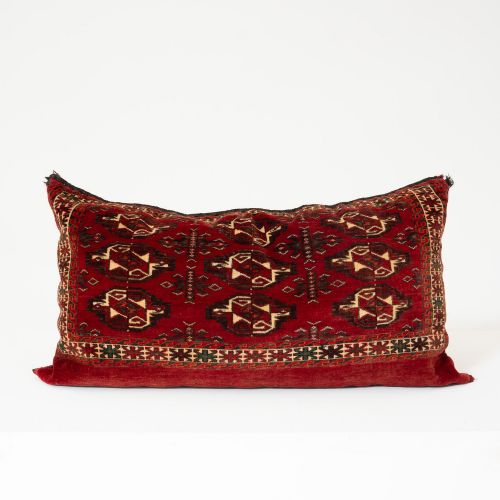
A red tribal cushion originates from repurposed nomad utility bags, grain sacks, and saddle bags made across Persia, Anatolia, and Central Asia during the nineteenth and early twentieth centuries. These textiles include bagfaces from Yomut, Tekke, and Saryk Turkmen tribes, alongside Baluch, Qashqai, and Kurdish pieces that retain their original geometric motifs.
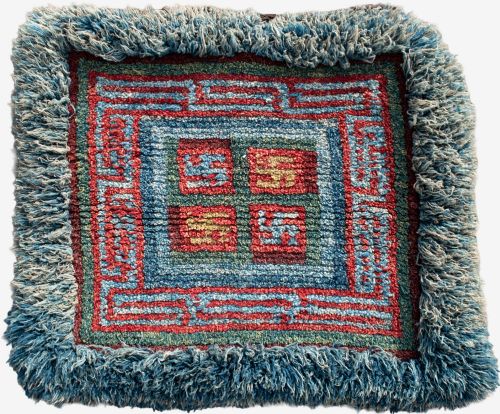
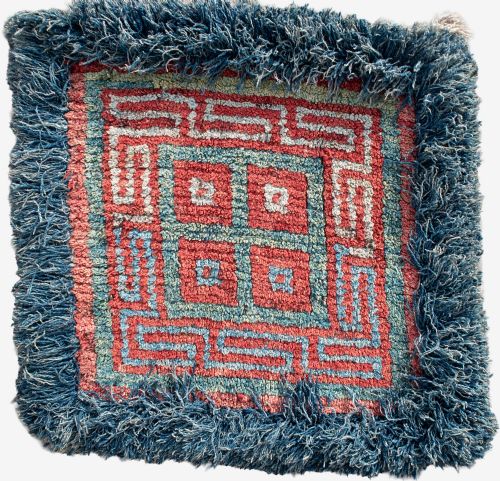
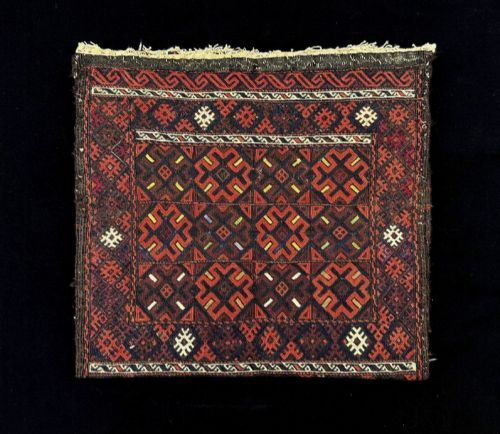
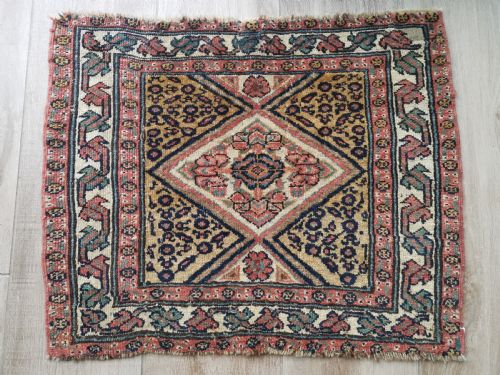
Most items on this page take the form of converted storage bags, torbas, chuvals, and flatwoven kilims tailored into cushions and pillows. They display regional patterns such as guls, boteh motifs, and banded flatweave designs created by tribal weavers using traditional wool and goat hair.
How they were made
Weavers constructed these textiles using hand-spun wool and goat hair, employing both pile knots and flatweave techniques on vertical and horizontal looms. Natural dyes and vegetable colours produced the dominant red tones found across the pieces from this era.
Nomadic makers integrated structural durability into grain sacks, saddle bags, and storage compartments, utilising sturdy plain weave backs and robust wool foundations to withstand daily pastoral use.
Red Tribal Cushion Retail Price Guide 2026
Typical asking prices for red tribal cushion among the pieces listed under this phrase on Sellingantiques today, from the lower quarter to the upper quarter. They describe what is for sale here now, not the wider market.
Several cushions began life as camel bags bumping across Central Asian steppes before finding a quiet retirement on modern sofas.
What varies in quality
Quality rests in the precision of the tribal weave, the depth and clarity of the natural dyes, and the integrity of the wool. Finer knotting and well-preserved graphic motifs distinguish superior bagfaces and storage sacks from simpler utilitarian examples.
The survival of original backs, complete tribal gull patterns, and stable structural foundations elevate certain cushions above standard conversions, reflecting the skill of the original nomadic weaver.
The Red Tribal Cushion Glossary
- Bagface
- The decorative front panel of a nomadic storage or saddle bag, usually featuring distinct tribal motifs and finer knotting than the back. These panels form the primary decorative surface of converted cushions.
- Torba
- A small horizontal storage bag traditionally used inside a nomad tent for household possessions. Their rectangular format makes them well suited for modern pillow conversions.
- Chuval
- A large nomadic storage bag used for bedding and clothing by Turkmen tribes. Fragments and faces of these bags provide substantial material for large decorative cushions.
- Gul
- A repeating medallion or octagonal motif used by Central Asian tribes to identify specific lineages and clans. Each tribal group utilises distinct variations of these primary design elements.
- Kilim
- A flatwoven textile made without pile by tightly interlacing warp and weft threads. These lightweight weaves offer crisp geometric patterns on both sides.
Red Tribal Cushion: Frequently Asked Questions
What is a tribal bagface cushion?
A tribal bagface cushion uses the decorative front panel of an antique nomad storage sack or saddle bag. These panels were hand-woven with wool and natural dyes by tribal groups in Persia and Central Asia.
Craftsmen convert these durable textile fragments into cushions to preserve the historic weaving while adapting them for contemporary seating and decor.
How do I care for an antique wool cushion?
Maintain these wool and goat hair textiles by gentle surface vacuuming with low suction, avoiding rotating brush heads that can pull the fibres. Keep them out of direct sunlight to prevent natural dye fading.
Professional textile cleaners experienced with antique rugs should handle any deeper maintenance or washing requirements.
How can I tell which tribe made a cushion?
Tribal attribution relies on specific design structures, colour palettes, and structural techniques unique to each weaving group. Turkmen tribes often feature octagonal guls, while Baluch and Kurdish makers lean toward darker palettes and distinct border arrangements.
Examining the weave density and wool preparation also helps trace pieces to regions such as Khorassan, Fars, or the Trans-Caspian steppes.
Are the backs of these cushions original?
Some pieces retain their original plain weave wool or flatbacked structure from the utility sack, while others incorporate vintage complementary backing fabrics. Listings typically note whether the piece includes an original back or a matched period textile backing.
Reviewing the specific description confirms the exact composition of the reverse side for each individual cushion.