




Red Pottery Figurine
These red pottery figurine examples bring character to a mantelpiece through rich earthenware bodies and traditional glazes.
Red Pottery Figurine
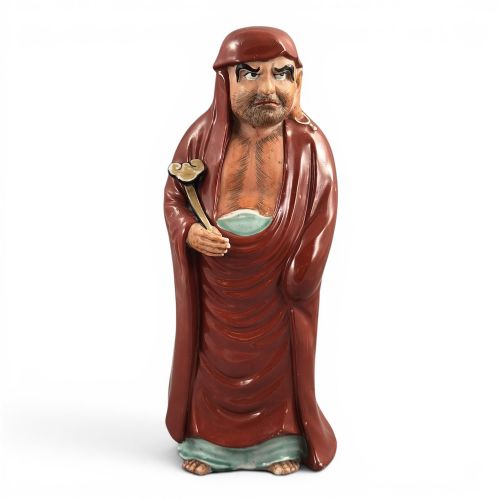
A red pottery figurine selection gathers earthenware and ceramic figures from the nineteenth century onwards, alongside related decorative ornaments. Buyers looking at this phrase encounter various figurative forms shaped by Victorian potters, alongside pieces from the Japanese Meiji period and the Qing dynasty.
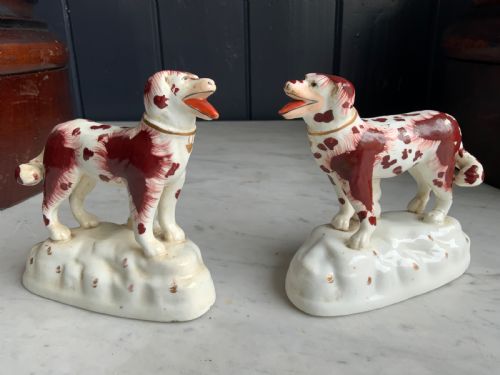
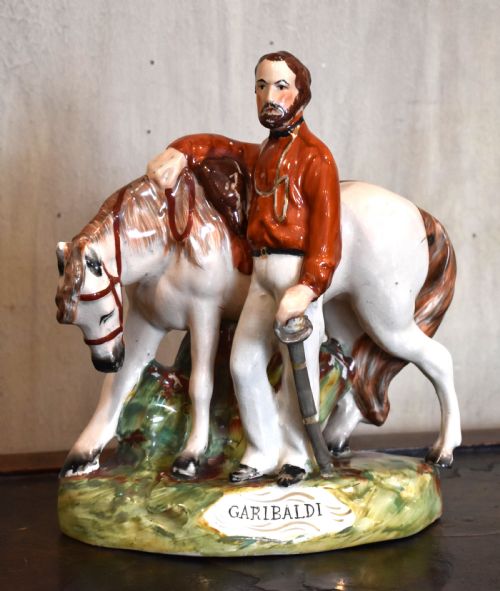
The most common examples on this page are Staffordshire pottery figures and pairs of spaniels, often finished with red and white markings or rich glazes. Other notable forms include animals such as cats, cows with calves, and deer, alongside historical portraits and spill holders.
Makers ranged from large Staffordshire potteries to Japanese kilns producing Kutani pieces and Chinese workshops creating porcelain foo dogs. These diverse origins mean a buyer might select a crisp Edwardian Okimono or a robust Victorian flatback depending on their interior preference.
Production Materials and Techniques
Potters shaped these figures from earthenware and ceramic bodies before applying lead glaze, enamel, or enamel paint to achieve surface colour. Many examples incorporate hand-painted details or gilded highlights that catch the light against the underlying ceramic.
Moulding and casting served as the primary techniques for Staffordshire pottery figures, allowing workshops to produce symmetrical pairs of animals and narrative groups efficiently. Artisans then finished these pieces by hand with painted pigments before firing them in kilns.
Current listings feature earthenware, porcelain, and ceramic materials spanning the Victorian, Art Deco, and Meiji periods.
Judging Quality in Figurative Ceramics
Quality rests primarily on the crispness of the modelling and the precision of the hand-painted decoration applied across the earthenware or porcelain body. Stronger examples display clear facial expressions and carefully controlled glaze runs rather than hasty finishing.
The Red Pottery Figurine Glossary
- Earthenware
- Porous pottery fired at relatively low temperatures which requires glazing to hold liquids or achieve a smooth surface. It forms the standard body for most nineteenth-century Staffordshire figures.
- Flatback
- A figure moulded with a detailed front and a flat, unpainted or simply glazed reverse designed to sit flush against a wall. These were popular for mantelpiece display during the Victorian era.
- Spill holder
- A ceramic vessel incorporating a hollow tube or backing designed to hold thin wooden spills for lighting fires. They often appear combined with animal figures in Victorian pottery.
- Okimono
- A Japanese term for a decorative object or carving intended for display on a household shelf or tokonoma. These porcelain figures often display fine detail from the Meiji period.
- Moriage
- A Japanese ceramic technique where slip is piped onto the surface to create raised decorative patterns before glazing and firing. This method adds a tactile dimension to Kutani figurines.
Red Pottery Figurine: Frequently Asked Questions
What are red pottery figurines?
These decorative ceramic and earthenware objects encompass nineteenth-century Staffordshire figures, Japanese Meiji period pieces, and Chinese porcelain ornaments. They typically depict animals, historical figures, or literary characters.
Potters shaped these items using moulds before applying coloured glazes, enamels, and sometimes gilding to finish the surface.
How were Staffordshire dogs displayed?
Victorian households traditionally placed pairs of ceramic spaniels on mantelpieces, often facing inward toward each other. They served as decorative ornaments in parlours and living rooms.
Many of these figures doubled as spill holders, providing a functional purpose alongside their decorative appeal.
How do I identify Victorian pottery?
Victorian Staffordshire pieces usually feature earthenware bodies with hand-painted underglaze colours or overglaze enamels. Flat backs and characteristic craquelure in the glaze often point to this period.
Subject matter such as spaniels, literary characters, and historical portraits helps confirm the nineteenth-century origins of the figures.
Are Japanese Meiji period pieces different?
Meiji period figurines, such as Kutani porcelain figures, utilise different clay bodies and glazing traditions compared to British earthenware. They frequently incorporate fine details like moriage work and intricate enamel painting.
These pieces reflect Japanese ceramic artistry from the late nineteenth and early twentieth centuries rather than European domestic styles.