


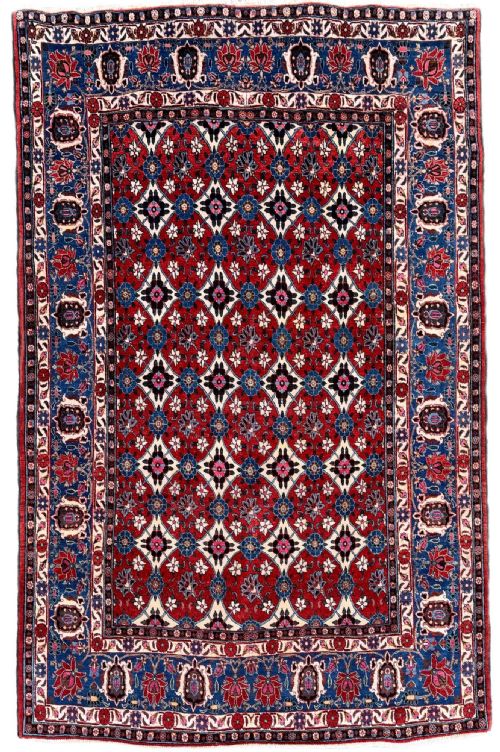
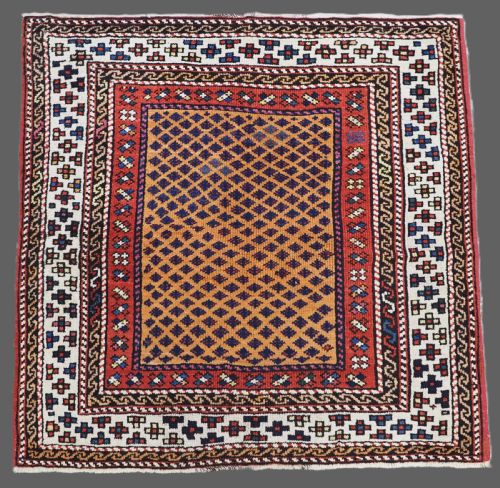
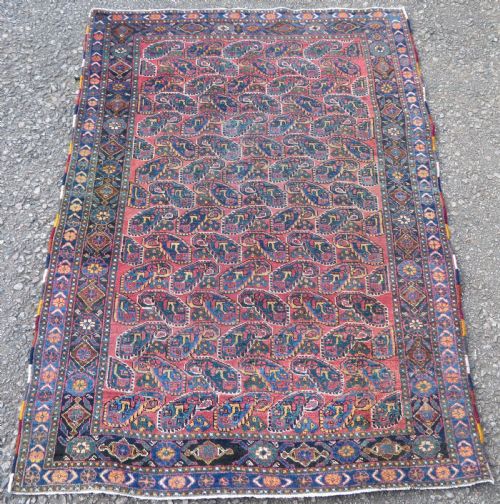
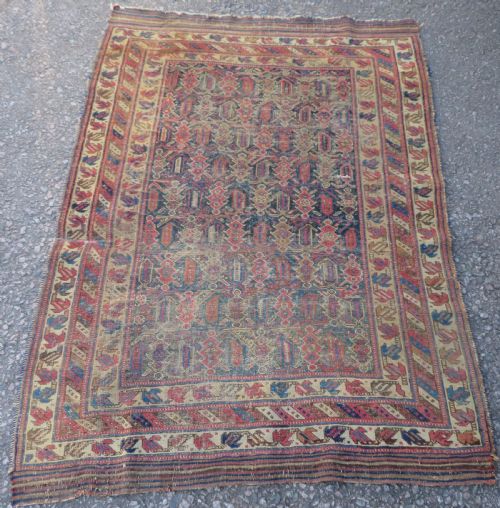
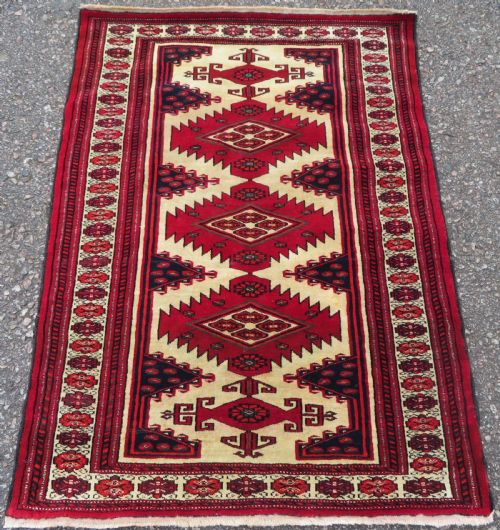
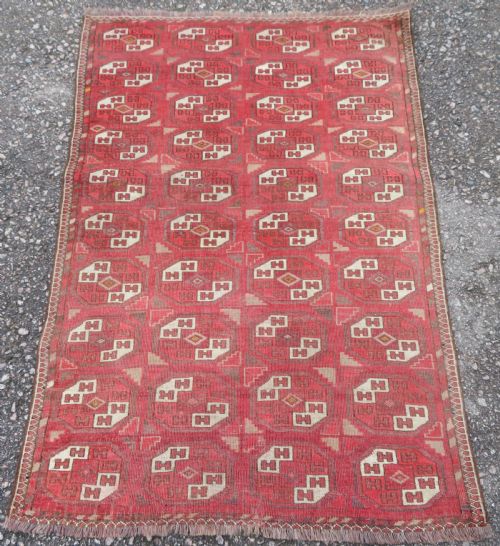
Red Patterned Area Rug
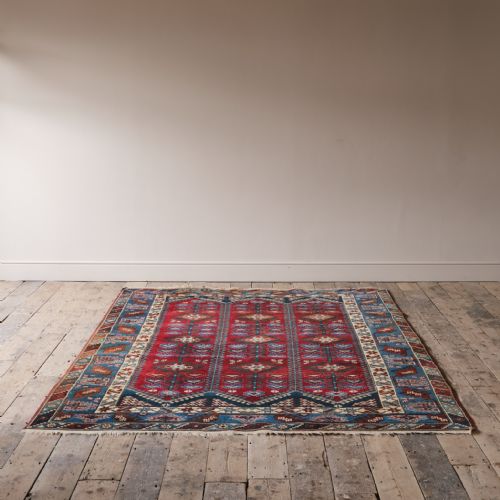
A red patterned area rug brings warmth and deep historical design to a room, grounding your floor space with traditional motifs and rich wool.
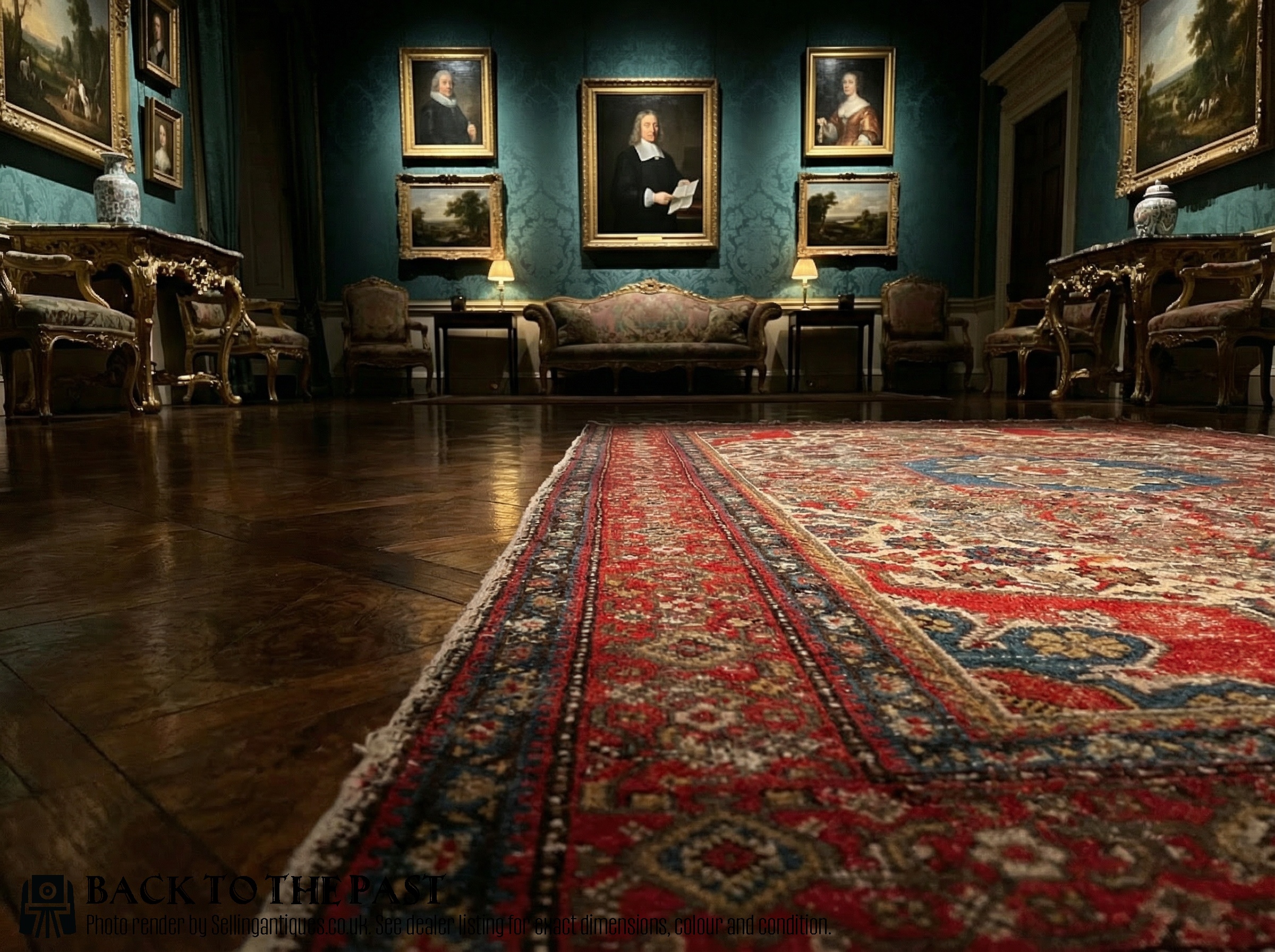
Red Patterned Area Rug
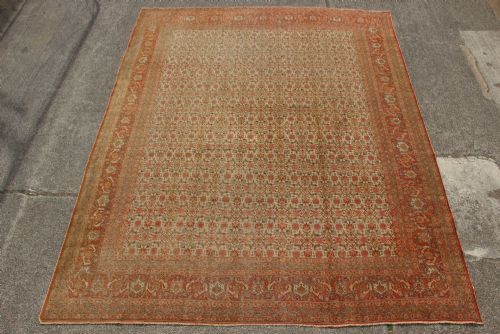
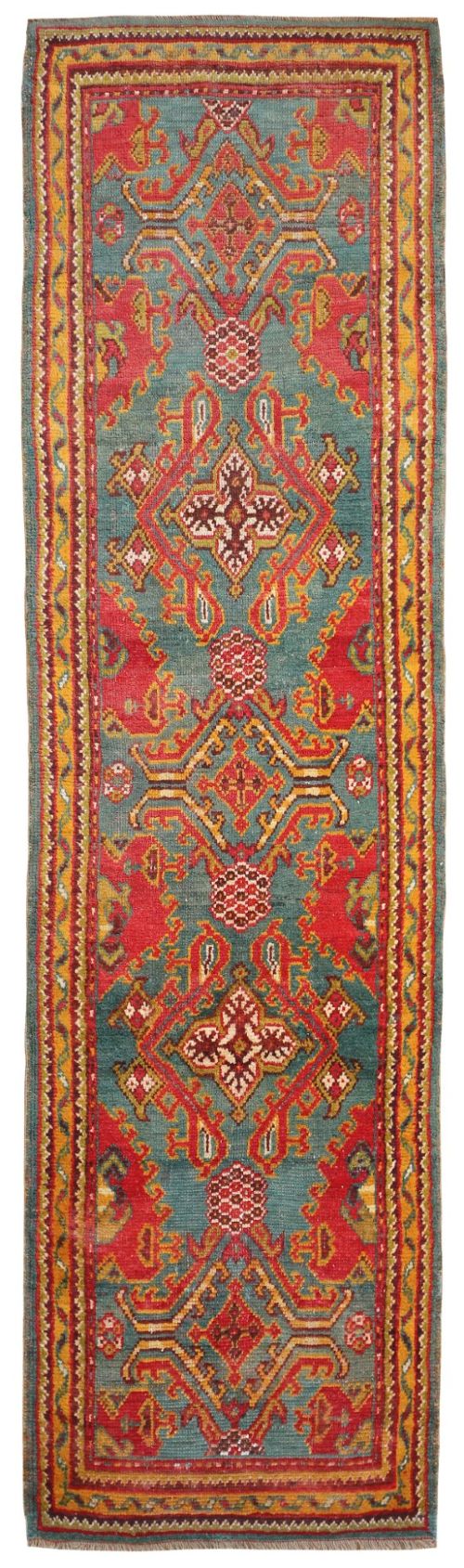
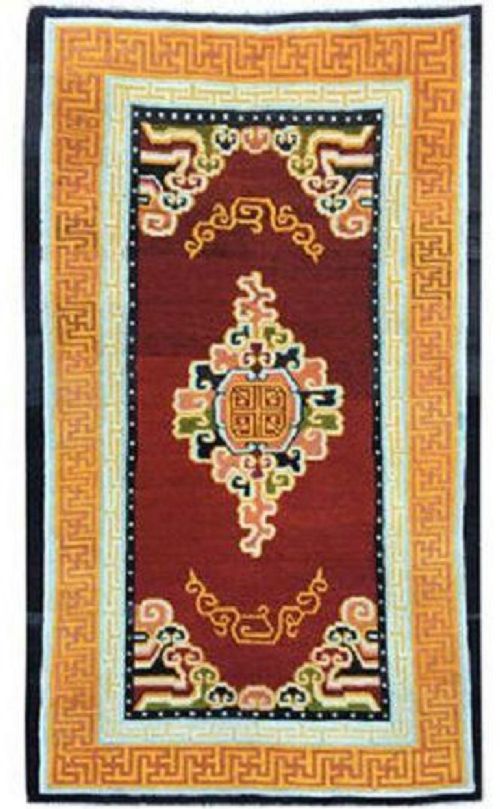
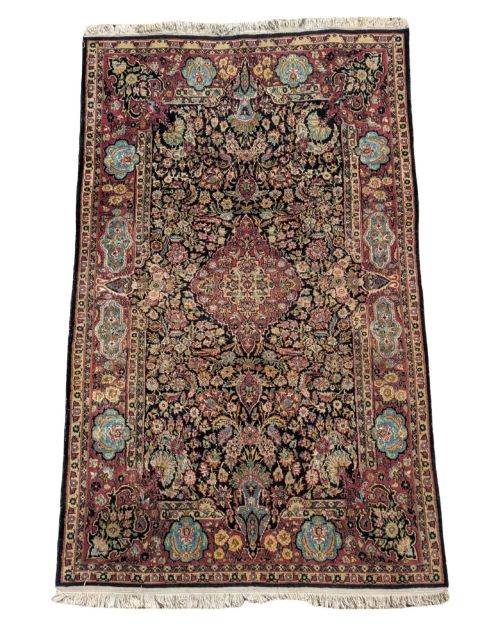
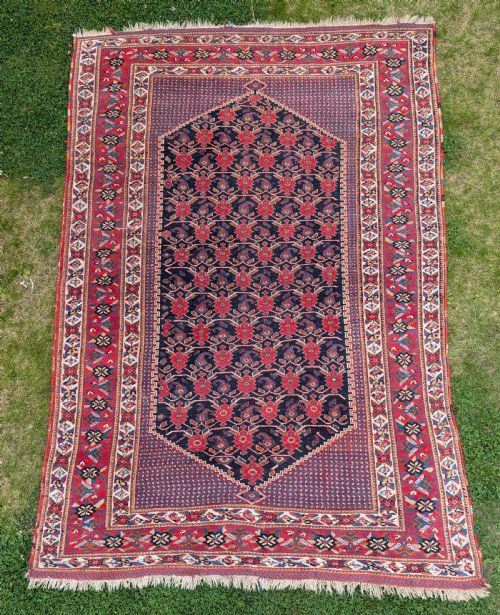
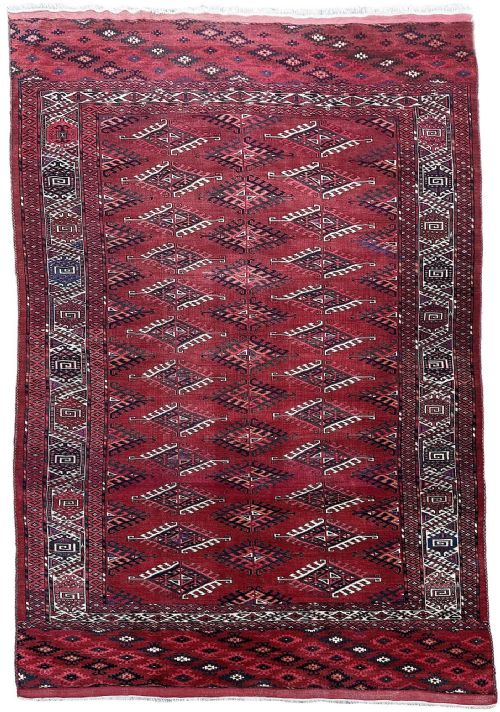
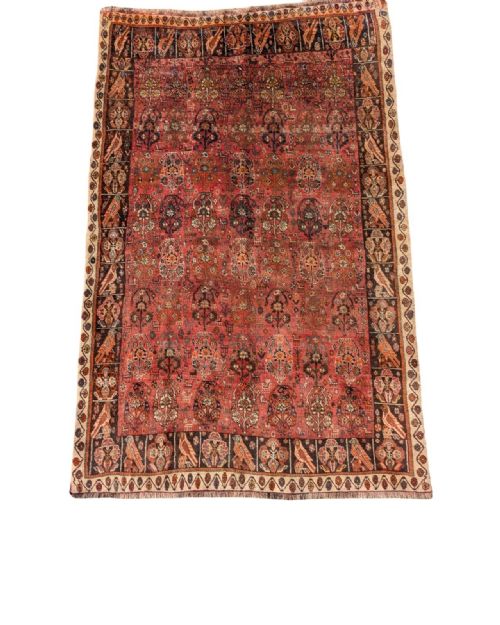
When searching for a red patterned area rug, you encounter hand-knotted carpets and runners originating from Persian, Caucasian, and Turkmen traditions. These pieces date from the mid-nineteenth century through the early twentieth century, spanning village, tribal, and city workshops across Central Asia and the Middle East.
How they were made
Weavers constructed these textiles primarily using wool, cotton, and occasionally silk highlights, often relying on hand-spun wool and natural dyes to achieve depth of colour. Artisans knotted the pile by hand onto sturdy cotton or wool foundations, ensuring structural resilience across generations.
The application of natural dyes yields rich red tones that interact harmoniously with secondary shades of indigo, cream, and madder. Technical execution varies from the coarse, dense knots of tribal tent door rugs to the refined, intricate pile work of city workshop carpets.
Nomadic weavers occasionally included deliberate imperfections in their carpets to ward off the evil eye.
What varies in quality
Quality in these textiles rests upon the fineness of the knotting, the complexity of the design layout, and the integrity of the materials utilised by the weaver. Finer knots permit greater precision in intricate geometric or floral motifs, distinguishing urban workshop masterworks from simpler village outputs.
The vibrancy and stability of the natural dyes greatly influence the enduring visual impact of a piece. Superior examples display depth in their red fields and well-balanced colour saturation that remains harmonious as the wool ages.
The Red Patterned Area Rug Glossary
- Pile
- The upright loops or cut ends of yarn that form the soft surface of the rug. It absorbs wear and displays the woven pattern.
- Warp
- The vertical threads stretched tightly on the loom before weaving begins. Foundation yarns run parallel to these structural elements.
- Weft
- The horizontal threads passed across the warp strands to lock the knots in place. Together with the warp, it forms the foundational grid.
- Boteh
- A traditional almond-shaped motif with a curved upper end, frequently seen in Persian and regional textile designs. It represents a floral or cypress shoot symbol.
- Kapunuk
- A specialised nomadic tent door hanging produced by Turkmen tribes. These pieces served decorative and functional roles within tribal dwellings.
Red Patterned Area Rug: Frequently Asked Questions
How do I care for an antique rug?
Vacuum gently without using a rotating brush roll to protect the vintage pile. Professional cleaning ensures the natural dyes and wool fibres remain preserved over time.
Keep the textile out of direct sunlight to prevent fading. Rotating the rug periodically promotes even wear across high-traffic areas.
What is the difference between a village and city rug?
Village and tribal rugs often feature geometric motifs and spontaneous designs woven from memory. City carpets display precise symmetry, complex floral medallions, and finer knot counts.
Urban workshops utilised pre-drawn cartoon guides for intricate patterns. Village weavers relied on tribal traditions passed down through generations.
How can I identify a tribal rug?
Tribal rugs typically exhibit bold geometric patterns, stylized animals, and hooked medallions. The colour palette often incorporates rich reds, indigos, and earthy tones derived from natural sources.
Nomadic and village weavers produced these pieces for domestic use or local trade. Consequently, the structures feel slightly less rigid and more idiosyncratic than city-made carpets.
Are these rugs suitable for everyday use?
Hand-knotted wool rugs possess natural durability that withstands regular walking traffic. The lanolin in traditional wool resists dirt and maintains resilience under pressure.
Placing an appropriate underlay beneath the rug prevents slipping and reduces friction against the floorboards. This simple precaution extends the functional lifespan of older textiles significantly.