



Red Oriental Floor Rug
A red oriental floor rug brings warmth and traditional pattern to a room, drawn from Persian, tribal and Caucasian weaving traditions.
Red Oriental Floor Rug
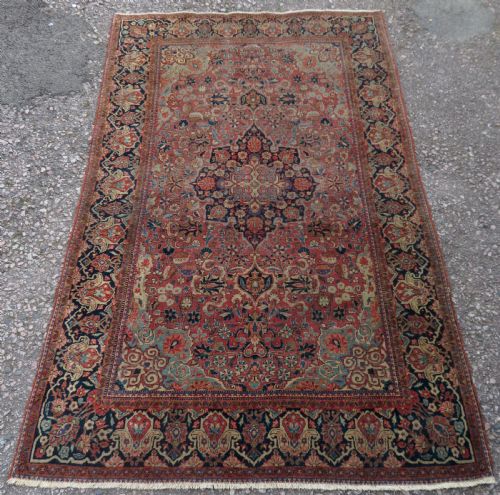
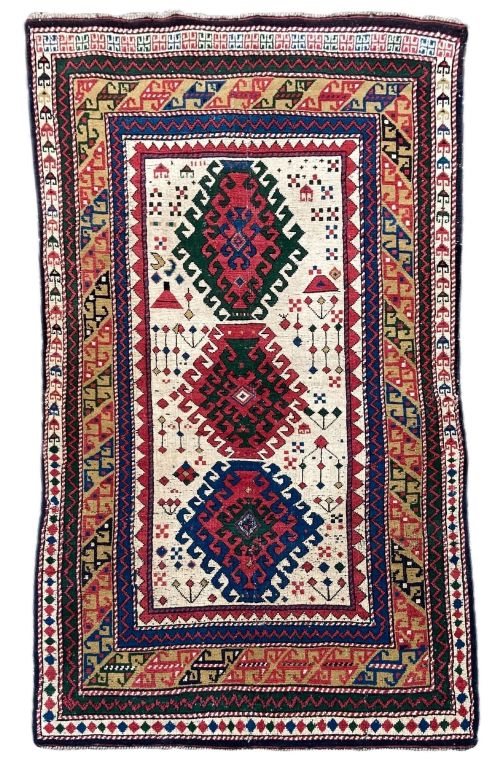
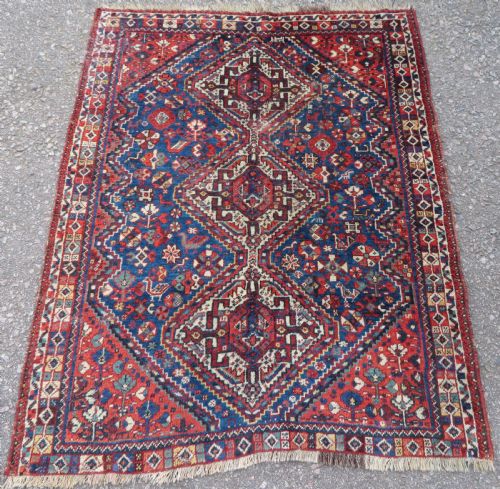
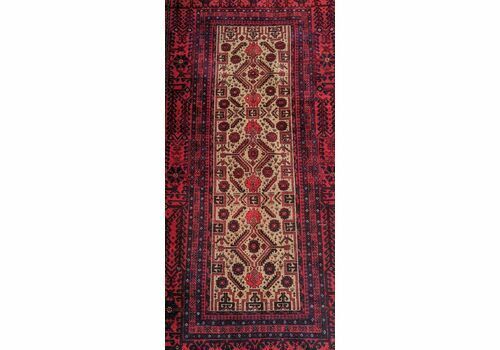
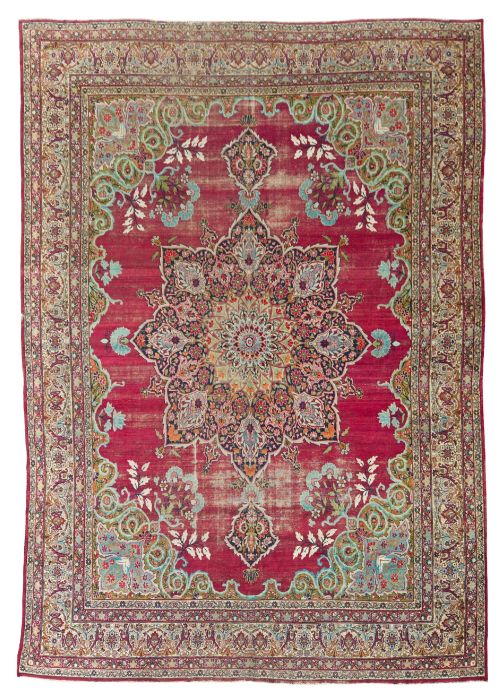
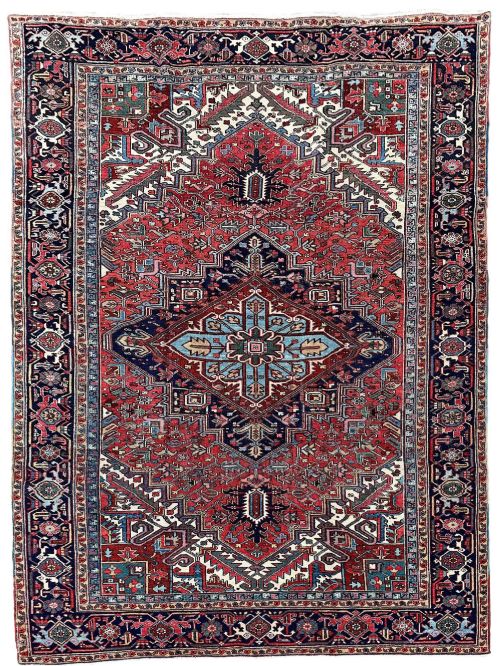
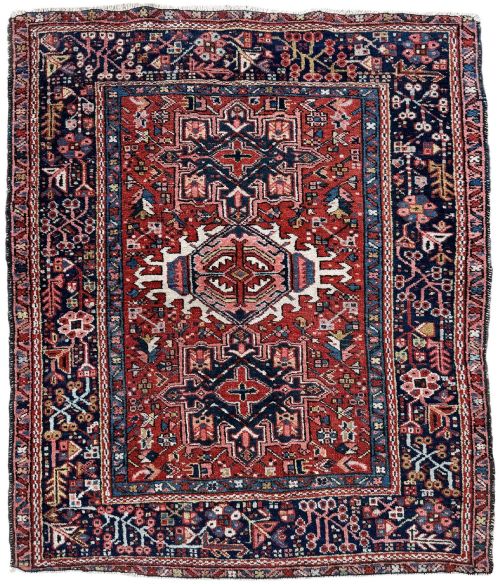
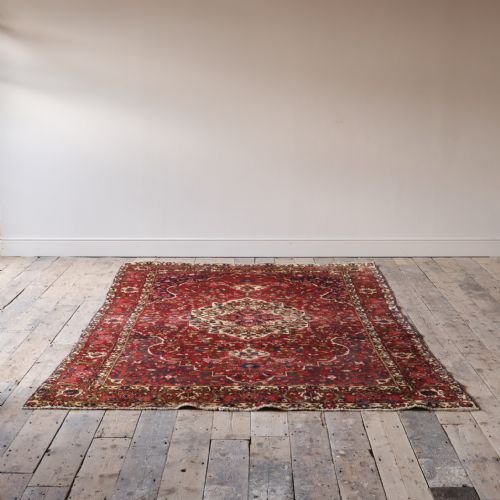
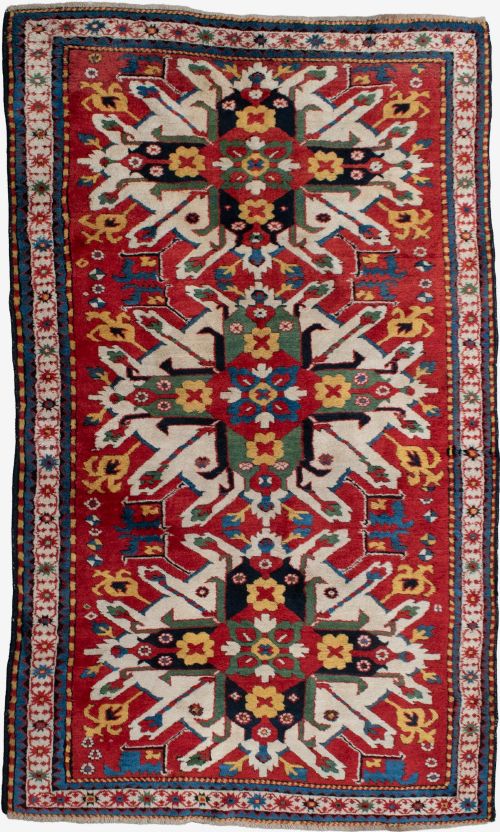
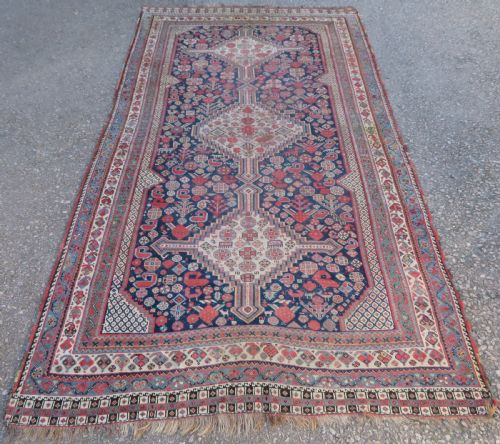
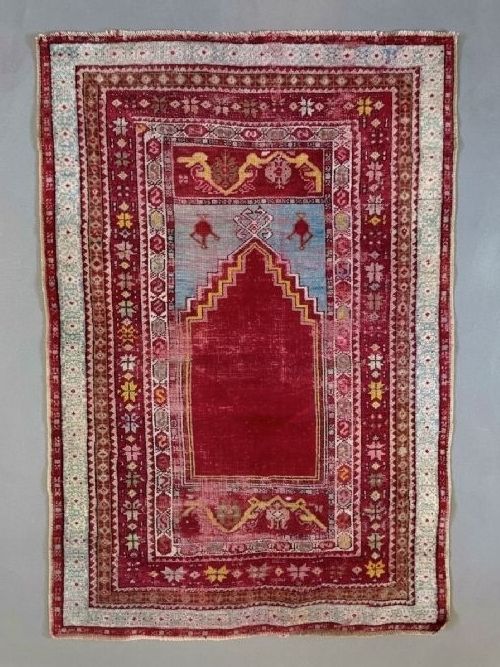
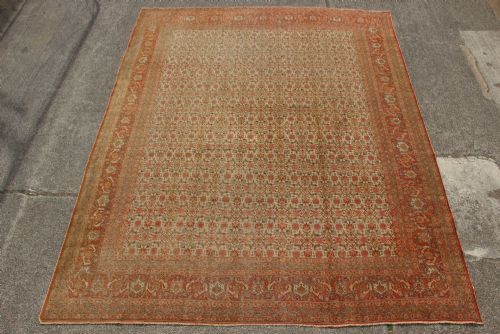
A red oriental floor rug encompasses hand-knotted carpets and runners originating from Persia, the Caucasus, Turkmenistan, Turkey and Tibet. These textiles arrive in various formats, from small hearth-sized pieces to large room-sized carpets intended for central placement. The selection spans village works and tribal pieces produced across the late nineteenth and early twentieth centuries.
Buyers meet regional variations ranging from bold geometric tribal designs of the Afshar, Bakhtiar, and Kurdish weavers to structured Heriz, Saroukh, and Kashan carpets. Turkmen main carpets and Caucasian prayer rugs also appear among the offerings. These floor coverings serve practical domestic functions while displaying traditional regional motifs.
How They Were Made
Weavers constructed these carpets using wool, cotton and occasionally silk highlights. Wool forms the thick pile and foundation yarns in many tribal pieces, whilst cotton provides sturdy warp and weft threads for urban Persian workshop carpets.
The construction relies on hand-knotting techniques executed on vertical or horizontal looms. Artisans utilised natural and early synthetic dyes to achieve the deep red grounds and contrasting blues, ivories and browns seen across the inventory.
Certain antique runners turn up with slightly wonky borders, proving that weavers did not use graph paper.
What Varies in Quality
Knot density and structural tightness dictate the fineness of a carpet, separating casual village production from master workshop output. Tighter knotting allows for sharper delineation of intricate floral and geometric motifs.
The choice of wool and the depth of dye saturation influence longevity and visual resonance. Uniformity in pile height and the balance of natural colour variations across the field distinguish superior examples from standard grades.
The Red Oriental Floor Rug Glossary
- Warp
- The vertical foundation threads stretched tightly on the loom before knotting begins. These form the fringe at either end of the rug.
- Weft
- The horizontal threads passed back and forth between warp threads to bind the knots in place. They give the rug its structural stability.
- Pile
- The upright yarn surface formed by the cut ends of knots. This layer provides the tactile texture and absorbs foot traffic.
- Medallion
- A large central ornamental design motif placed in the middle of the field. Many Persian and Caucasian carpets feature this focal element.
- Runner
- A long, narrow carpet format designed specifically for hallways, corridors or stairs. These pieces accommodate restricted spatial dimensions.
Red Oriental Floor Rug: Frequently Asked Questions
How do I clean an old wool rug?
Regular gentle vacuuming without a beater bar removes surface dirt from the pile. Professional specialist cleaning remains necessary for deep washing to protect the natural fibres.
Avoid saturation and harsh chemical detergents which damage vintage wool and dye stability. Prompt attention to spills prevents permanent staining on traditional floor coverings.
Where were these carpets made?
Production spans traditional weaving regions across Persia, the Caucasus, Anatolia, Turkmenistan and Tibet. Village workshops and nomadic tribes each developed distinct local styles.
Specific towns and provinces such as Heriz, Saroukh, Kerman and Isfahan established renowned weaving centres. Nomadic groups produced pieces within tribal territories using recognizable geometric layouts.
Are these rugs suitable for high traffic areas?
Dense wool pile construction provides natural durability for daily domestic use in hallways and living rooms. Sturdy foundations help these textiles withstand regular foot traffic over decades.
Placing an appropriate underlay beneath the carpet prevents slipping and reduces friction against hard flooring. This simple addition extends the working life of vintage floor textiles.