


Red Oriental Area Carpet
A red oriental area carpet brings grounding warmth and intricate traditional patterns to a room.
Red Oriental Area Carpet
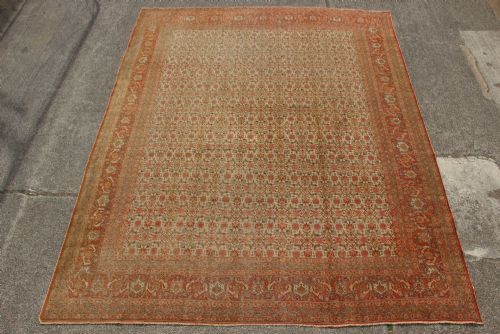
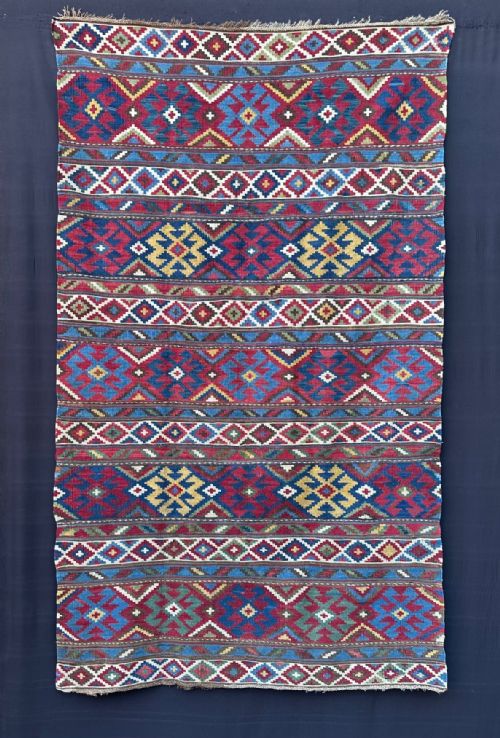
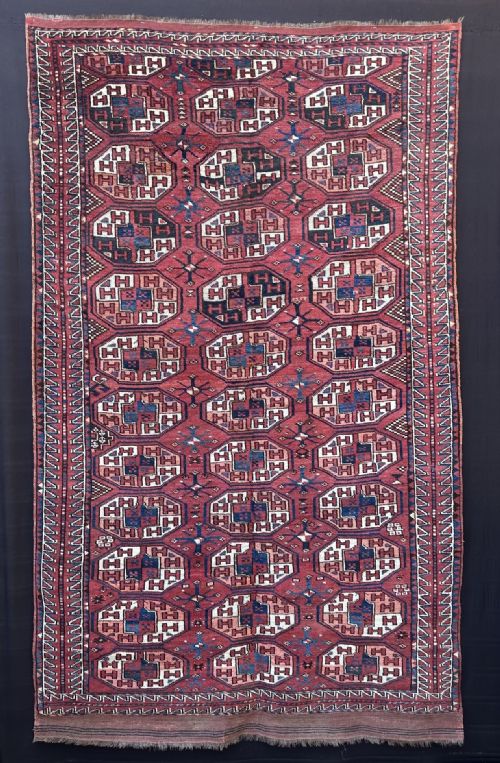
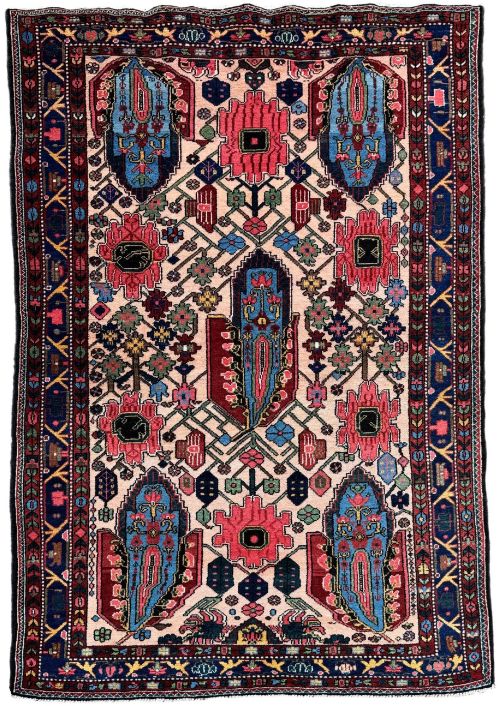
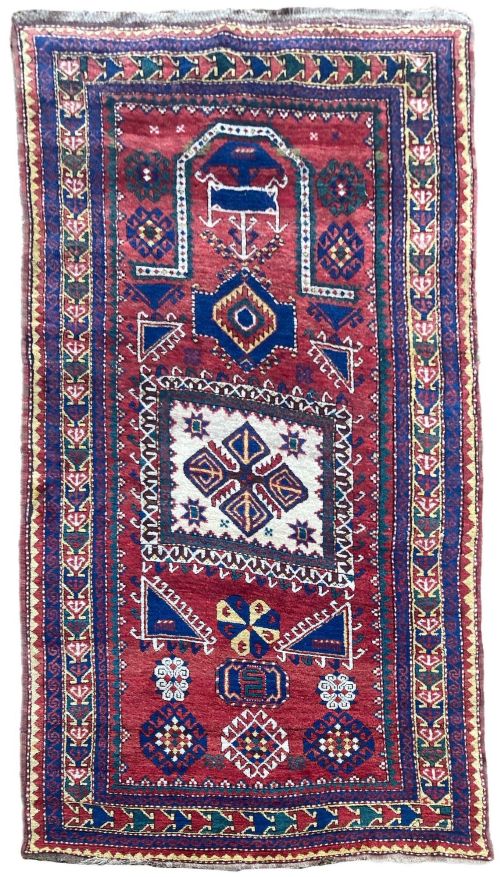
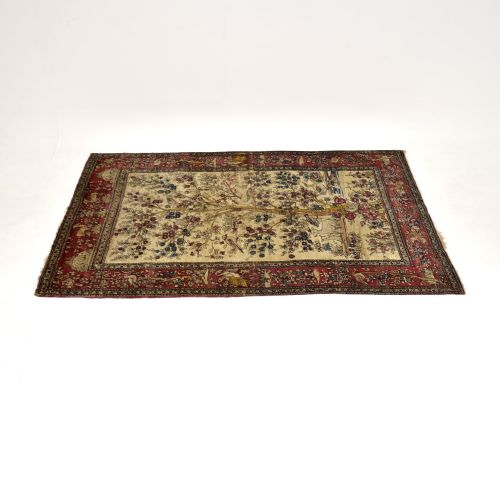
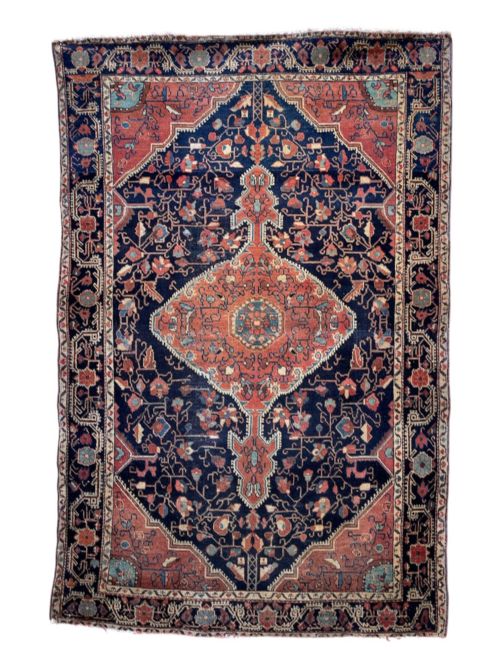
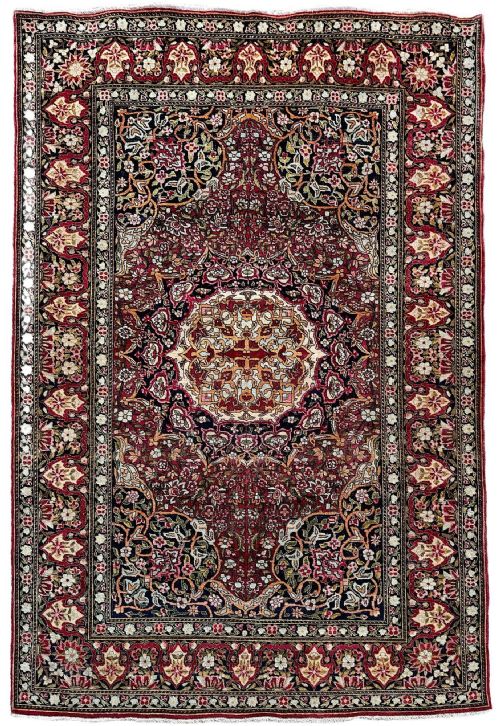
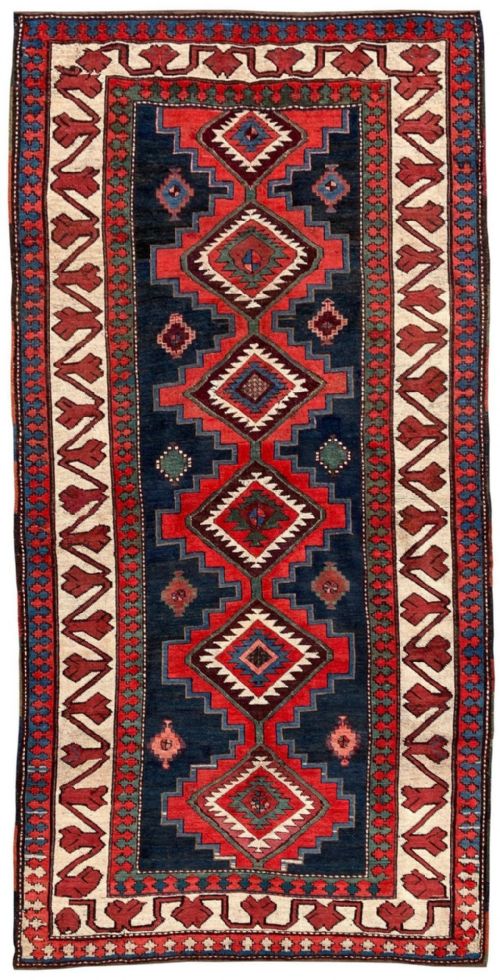
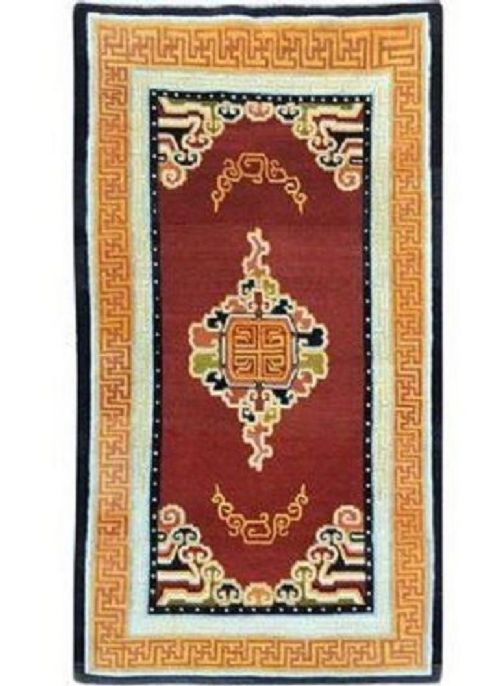
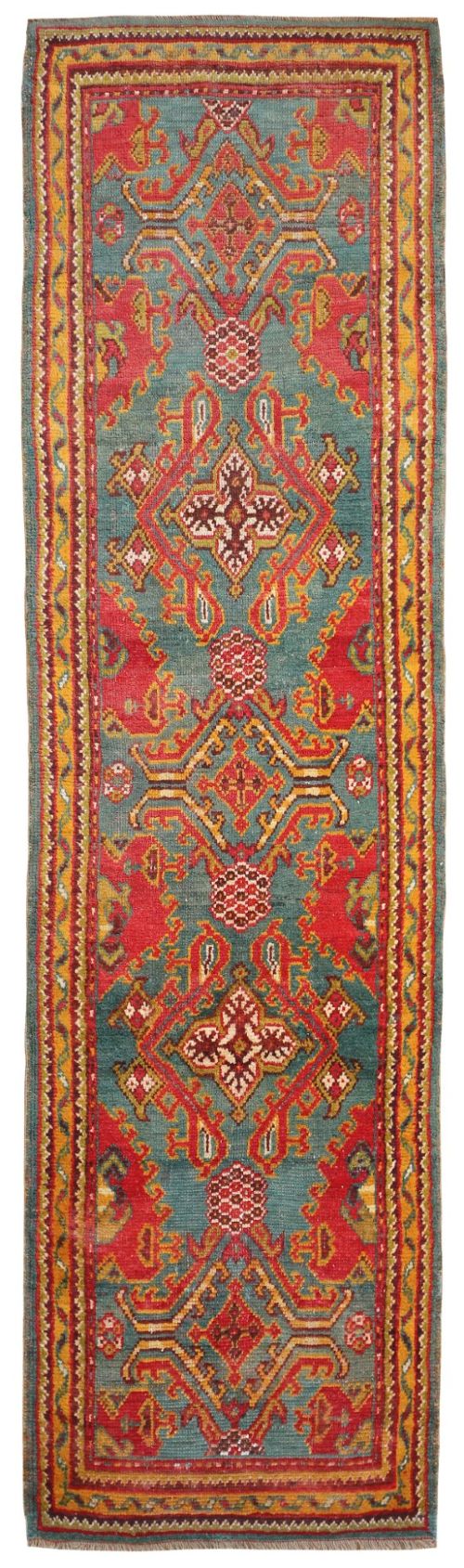
A red oriental area carpet spans diverse regional traditions across Persia, the Caucasus, Turkmenistan, and Turkey, taking the form of large carpets, village rugs, and prayer mats. When searching for a red oriental area carpet, buyers encounter hand-knotted and flat-woven pieces originating from the nineteenth and early twentieth centuries. These floor coverings range from geometric tribal village pieces to finely detailed city carpets.
The selections here encompass traditional styles such as Persian Heriz, Caucasian Kazak, and Turkmen tribal carpets produced in workshops and villages. Most pieces rely on rich crimson and rust grounds decorated with medallions, repeating motifs, or architectural mihrabs. Every rug reflects the specific weaving heritage of its particular provenance.
How They Were Made
These carpets and rugs are constructed using wool, cotton, and occasionally silk foundations and pile, often utilising hand-spun wool for durability and texture. Artisans employed traditional hand-knotting and flat-weaving techniques suited to nomadic, village, or workshop production. Natural dyes provided the characteristic rich reds and secondary tones seen across the pieces.
Weavers tied symmetrical or asymmetrical knots onto warp and weft threads, securing the ends with various flat-woven finishes and selvages. Silk highlights occasionally appear in specific city carpets to accentuate particular design elements against the wool pile.
What Varies in Quality
Quality in these textiles rests upon knot density, the precision of the design execution, and the depth of the materials. Tightly packed knots allow intricate geometric and floral patterns to hold their clarity across the surface.
The complexity of the dye work also distinguishes pieces, as natural colour variations impart subtle tonal shifts that enhance the visual movement of the rug. Furthermore, the integrity of the foundation threads and the handling of the wool dictate how well a carpet withstands age and use.
The Red Oriental Area Carpet Glossary
- Mihrab
- A niche design found on prayer rugs that mimics the direction of prayer in a mosque. This architectural motif often points towards Mecca.
- Warp
- The vertical threads stretched tightly on the loom that form the structural skeleton of the rug. Weft threads are inserted across them.
- Weft
- The horizontal strands passed through the warp threads after each row of knots to pack the structure tight. They stabilise the entire weave.
- Selvage
- The reinforced side edges of a carpet formed by wrapping or binding the outermost warp threads. It prevents the edges from fraying.
- Pile
- The vertical tufts of wool, cotton, or silk standing up from the foundation to form the soft surface. The pile height varies by region and type.
Red Oriental Area Carpet: Frequently Asked Questions
How do I care for an antique rug?
Vacuum gently without using a beater bar to protect the delicate wool pile and foundation threads from undue friction and stress.
Keep the rug out of direct sunlight to prevent the natural dyes from fading over time, and rotate it periodically for even wear.
Where were these carpets traditionally made?
Production centres span across Persia, the Caucasus, Turkmenistan, and Turkey, reflecting distinct village, nomadic, and urban workshop traditions.
Specific regions such as Heriz, Kazak, and Shirvan developed unique visual vocabularies and weaving techniques handed down through generations.
What materials make up the pile?
Wool serves as the primary material for the pile, often hand-spun to provide resilience, warmth, and a rich textural surface.
Selected city pieces incorporate silk highlights to contrast against the wool, creating subtle reflectivity within the main design layout.
How can I tell a village rug from a city carpet?
Village and tribal rugs typically feature bolder, geometric motifs with asymmetrical quirks resulting from memory-based weaving traditions.
City carpets generally display finer knot densities, symmetrical floral curves, and balanced medallion layouts planned out on dedicated cartoons.