



Red Mahogany Shelving Unit
These red mahogany shelving unit pieces bring warmth and display space to a room, offering sturdy tiers for books and cherished objects.
Red Mahogany Shelving Unit
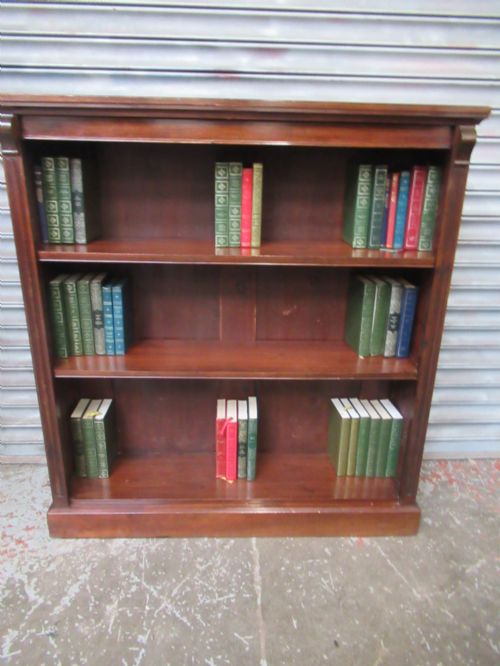
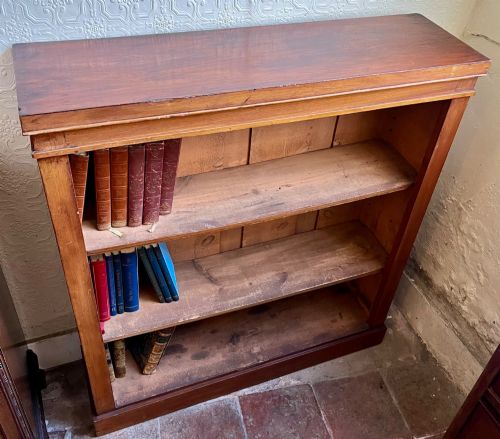
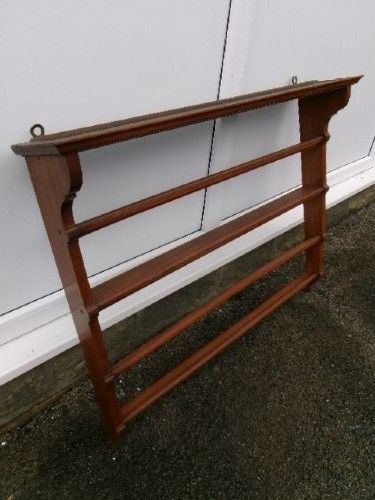
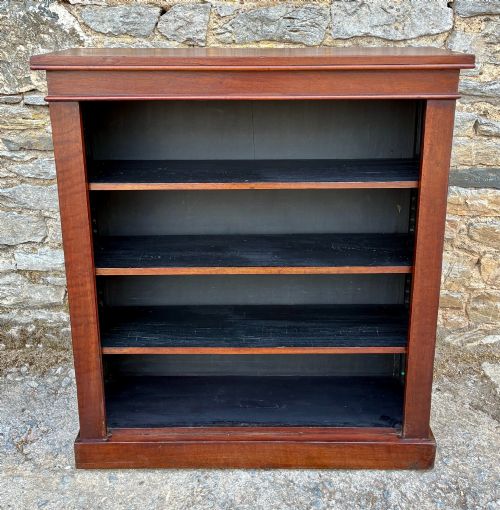
When you search for a red mahogany shelving unit, you encounter an array of open bookcases, etageres, whatnots, and book stands dating from the nineteenth century into the early twentieth century. These items span Victorian, Edwardian, George IV, and Regency styles, reflecting the diverse cabinetry tastes of their respective periods.
You are most likely to meet open bookcases and tiered etageres on this page, often featuring adjustable shelves, built-in cupboards, or gallery rails. The timber displays the rich reddish tones characteristic of the material, sometimes enhanced by flame mahogany veneer.
How they were made
The construction relies on solid mahogany and flame mahogany veneer applied to carcases, sometimes utilising softwood for secondary framing elements. Cabinetmakers shaped the timber into tiered platforms, breakfront libraries, and slender étagères designed to hold heavy volumes or display ornaments.
Detailing often incorporates brass hardware, glass panels, mirrored backs, and painted accents to complement the deep red timber. Open shelves feature gallery rails or stepped tiers, while cupboard sections provide concealed storage beneath the display surfaces.
Red Mahogany Shelving Unit Retail Price Guide 2026
Typical asking prices for red mahogany shelving unit among the pieces listed under this phrase on Sellingantiques today, from the lower quarter to the upper quarter. They describe what is for sale here now, not the wider market.
Listings feature 19th Century, Victorian, Edwardian, George IV, and Regency periods in mahogany, glass, brass, softwood, paint, mirror, and fabric.
What varies in quality
The distinction between standard examples and finer pieces lies in the selection of timber figure, such as flame mahogany veneer, and the crispness of architectural details like breakfront cornices and turned gallery supports. Superior craftsmanship shows in the seamless integration of built-in cupboards and mirror backs that enhance the depth of the display.
Proportion and scale also separate the ordinary from the exceptional, as seen in balanced multi-tiered waterfall bookcases and substantial library pieces. The handling of secondary woods and the retention of original brass fittings further distinguish the work of skilled period cabinetmakers.
The Red Mahogany Shelving Unit Glossary
- Etagere
- A set of open shelves for displaying small objects or books. This tiered furniture form became popular during the nineteenth century for drawing rooms.
- Breakfront
- A piece of furniture where the central section projects forward from the flanking wings. This architectural arrangement creates depth and visual interest in large bookcases.
- Flame mahogany veneer
- A thin slice of wood cut from the fork of the mahogany tree to produce a flickering, flame-like grain pattern. Cabinetmakers applied this decorative surface to prominent areas of fine cabinetry.
- Whatnot
- A moveable set of open shelves used for ornaments and books. These pieces often feature multiple tiers supported by slender uprights.
- Gallery
- A raised rail or border running along the edge of a shelf or top surface. This feature prevents items from sliding off tiered stands and bookcases.
Red Mahogany Shelving Unit: Frequently Asked Questions
How do I use a multi-tiered etagere?
Tiered etageres suit the display of small collections, ceramics, and books in sitting rooms. Their open structure allows light to pass through while keeping objects organised.
Position them against interior walls where the timber tone complements surrounding decor without blocking natural light sources.
What is the difference between a bookcase and a whatnot?
Bookcases are primarily built for storing volumes, often featuring adjustable shelving or lower cupboards for enclosed storage. They prioritize sturdy shelf capacity for heavy reading material.
Whatnots function mainly as display furniture with lighter, multi-tiered platforms designed for decorative objects and smaller volumes.
How do I care for nineteenth-century mahogany?
Protect mahogany surfaces by keeping furniture away from direct sunlight and sudden temperature shifts. Dust regularly with a dry cloth to maintain the timber finish.
Apply quality furniture wax sparingly when the wood appears dry, following the direction of the grain.
Can these units support heavy books?
Open bookcases and library pieces from the nineteenth century were constructed to hold substantial collections of bound volumes. Solid timber construction provides the necessary load-bearing strength.
Verify shelf thickness and support brackets when placing exceptionally heavy volumes on tiered stands.
How do I identify a Regency period piece?
Regency items date from the early nineteenth century and often exhibit classical influences with restrained ornamentation. Look for clean architectural lines and refined proportions.
Cabinetmakers of this era favored rich mahogany tones and understated brass details over heavy Victorian carvings.