

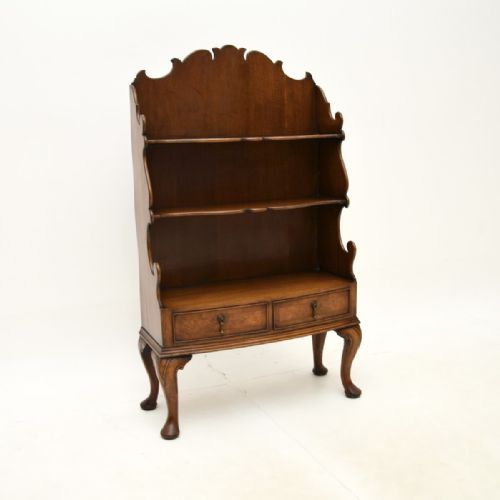
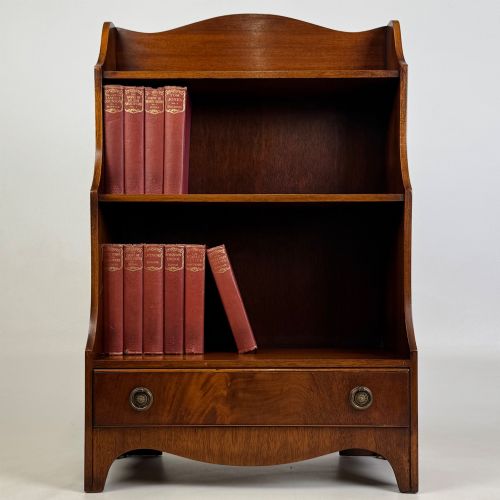
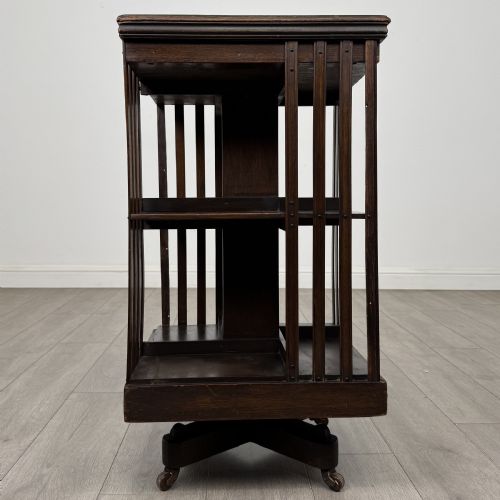
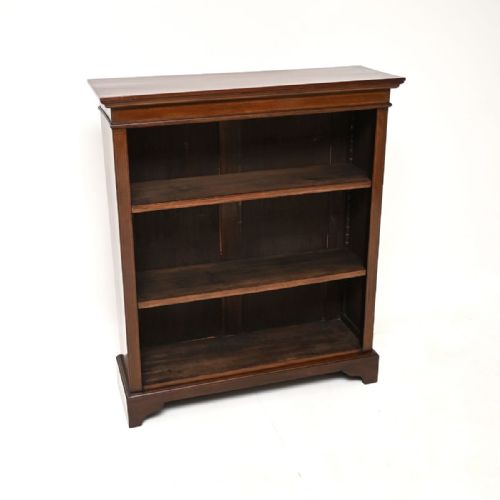
Vintage Book Rack
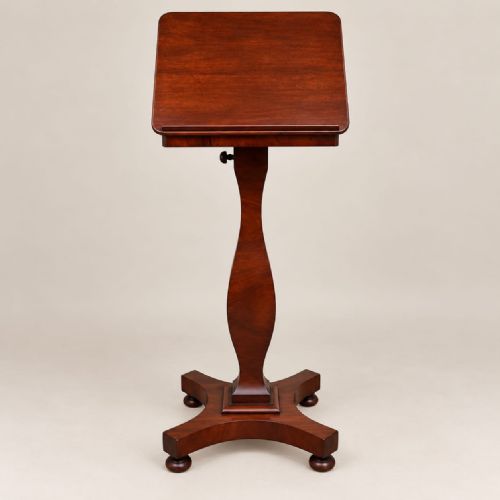
A vintage book rack is a practical desktop or tabletop accessory designed to keep volumes organised, and these pieces span various woods and periods.
Vintage Book Rack
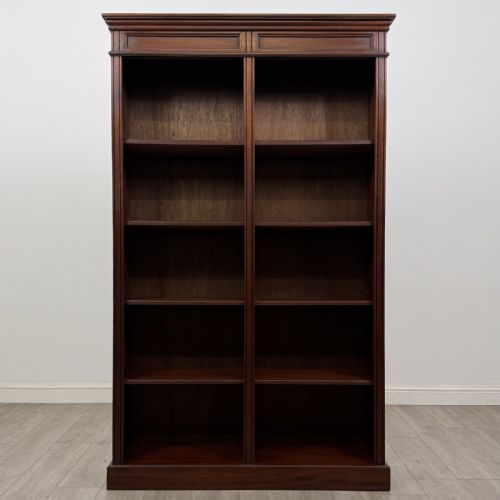
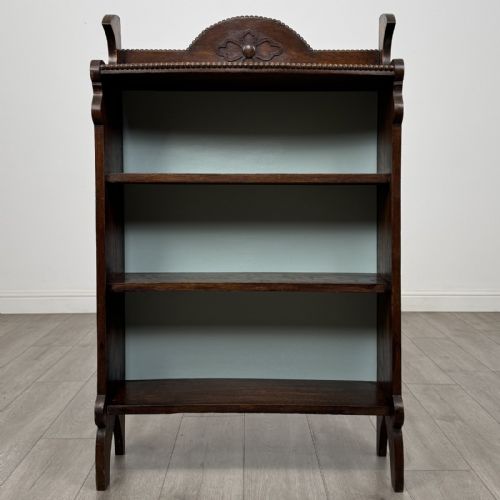
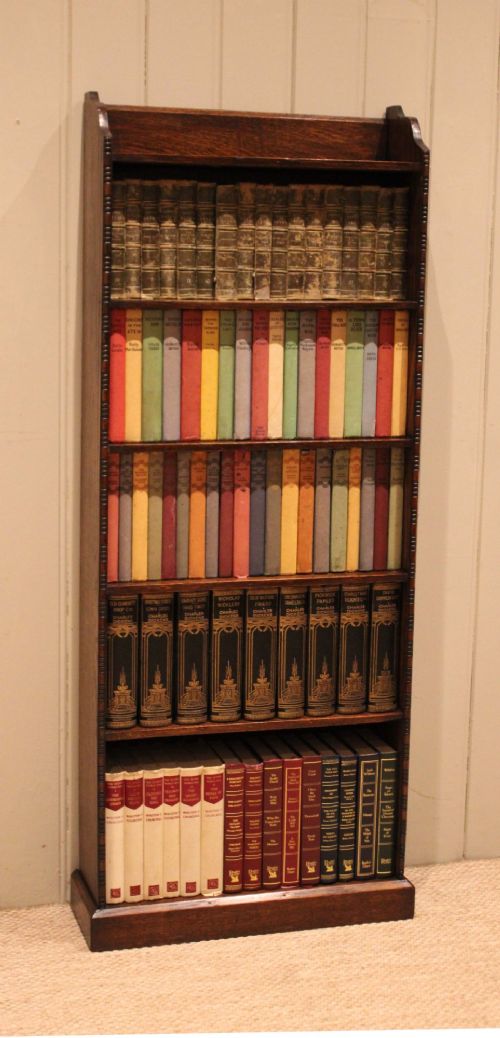
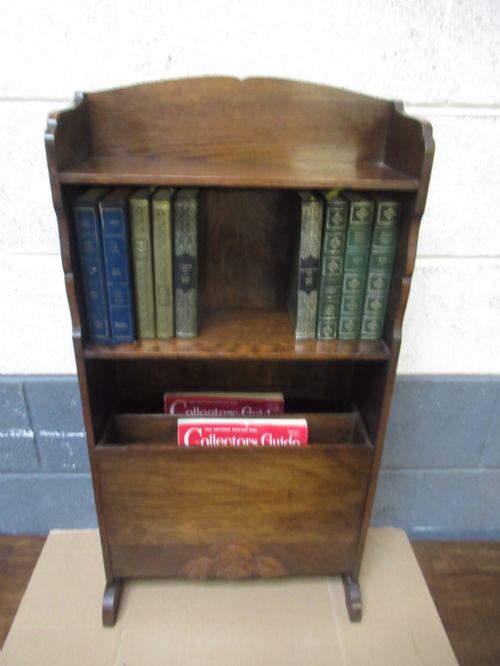
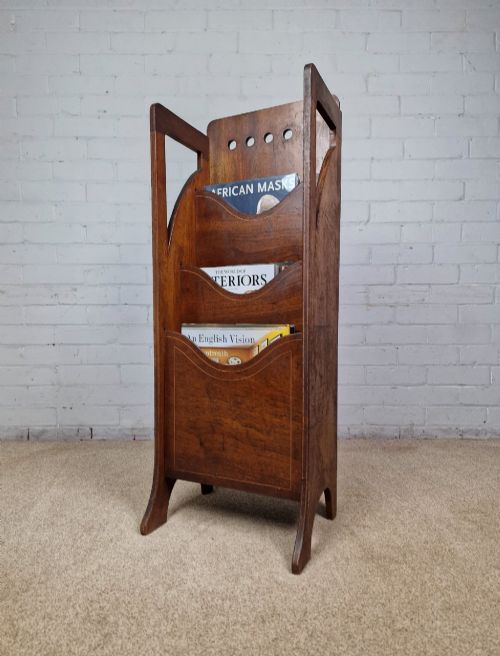
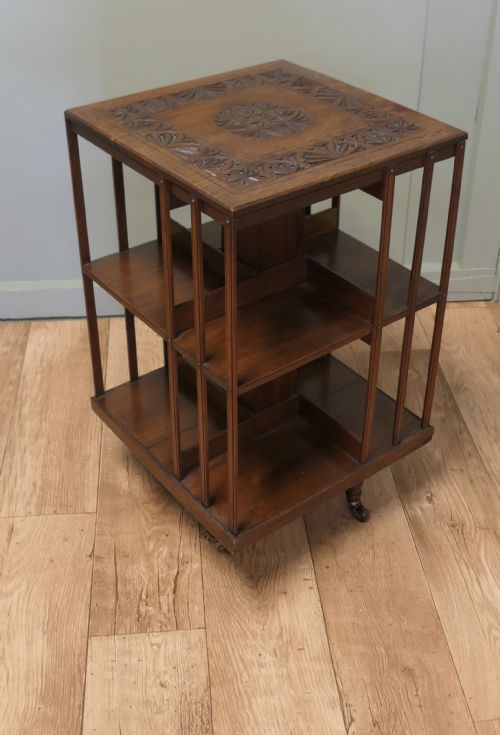
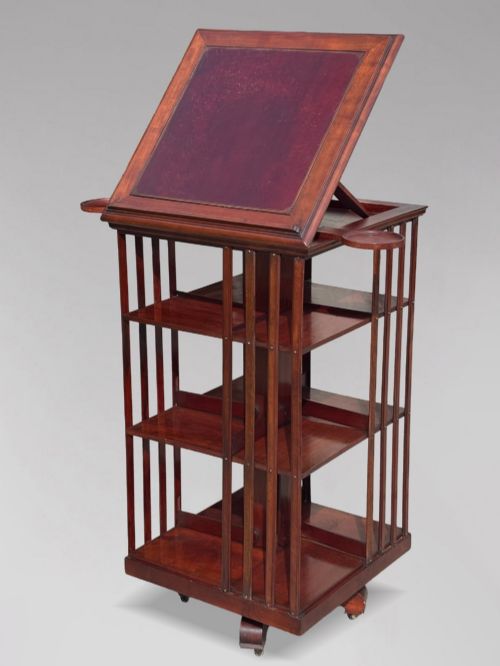
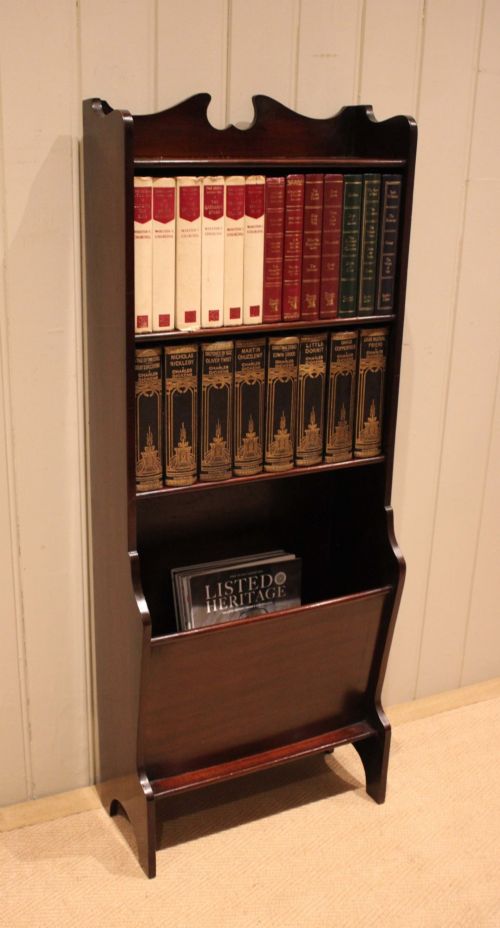
When you search for a vintage book rack, you encounter a selection of desktop stands, extending slides, and small open shelves designed to hold literature within arm's reach. The pieces on this page draw from the Victorian, Edwardian, and early twentieth-century periods.
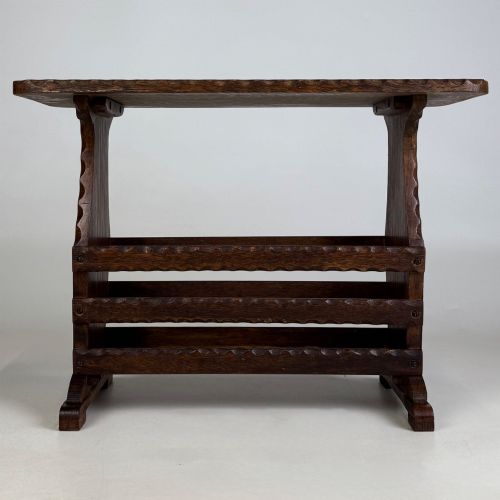
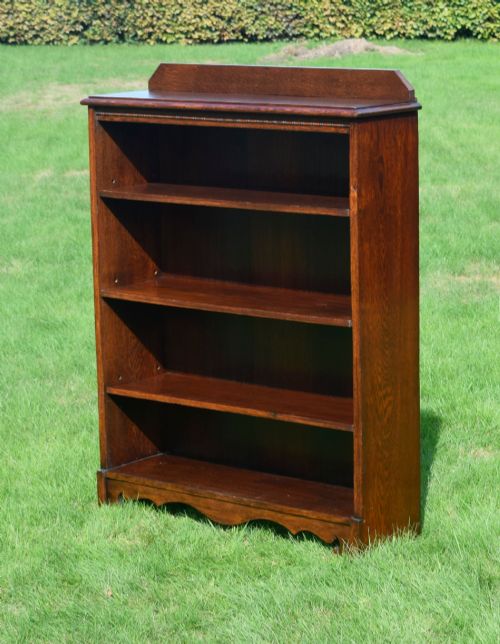
The most common formats include oak and mahogany book slides alongside compact open shelving units and table troughs. Many examples originate from the early nineteen-hundreds, reflecting the domestic library habits of the Edwardian era.
Makers utilised various timber species, ranging from golden oak to exotic rosewood and olive wood. Formats extend from simple portable bookshelves to complex lawyer book troughs and wall-hanging shelves.
Materials and construction methods
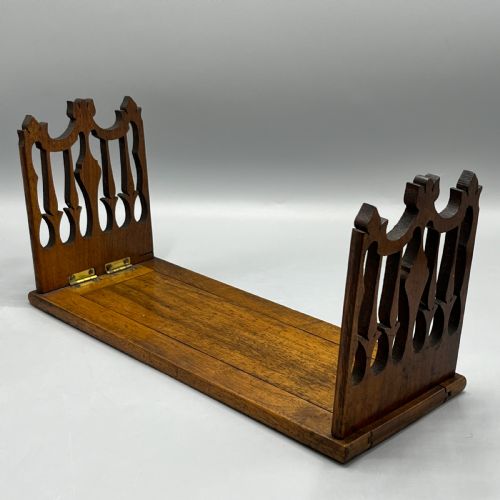
Makers constructed these items predominantly from solid timbers like oak, mahogany, and walnut, frequently enhancing surfaces with satinwood inlay or mother-of-pearl. Brass fittings appear on extending book slides and hinges.
Joinery methods range from sturdy rustic carpentry to precise Edwardian cabinet work. Decorative techniques include beaded edges, decorative cut-outs, and painted finishes seen on Regency and Italian Rococo examples.
Vintage Book Rack Retail Price Guide 2026
Typical asking prices for vintage book rack among the pieces listed under this phrase on Sellingantiques today, from the lower quarter to the upper quarter. They describe what is for sale here now, not the wider market.
Distinguishing quality across examples
Quality separates simple utility items from finer cabinet work through the choice of timber and refinement of detail. Selected pieces feature figured flame mahogany or intricate Tunbridge inlay work rather than plain secondary woods.
The integration of functional mechanics, such as smooth expansion actions on book slides or solid brass hardware, distinguishes better examples. Structural crispness in carved details and clean joinery mark the upper tier of these domestic accessories.
The Vintage Book Rack Glossary
- Book slide
- An adjustable desktop stand designed to hold a small row of volumes between two upright ends. These often feature an extending mechanism.
- Book trough
- A V-shaped or open-topped container designed to hold books upright with their spines facing upwards for easy reading of titles. These sit on desks or side tables.
- Whatnot
- A set of open shelves for displaying small objects or books, popular during the Victorian and Edwardian periods. They typically feature multiple tiers.
- Inlay
- A technique where pieces of contrasting timber, such as satinwood or mother-of-pearl, are inserted into recessed portions of the base material to form decorative patterns.
- Arts and Crafts
- A design movement prioritising traditional craftsmanship and simple forms over mass-produced ornamentation, frequently expressed in oak book furniture from the early twentieth century.
Vintage Book Rack: Frequently Asked Questions
How do I use a book slide?
Place the extending wooden base on a desk or table and adjust the sliding ends inward to gently support a row of volumes upright. This keeps frequently referenced books accessible without needing heavy bookends.
Ensure the mechanism moves freely if the slide is adjustable, and place it on a stable surface away from direct heat sources that might affect the timber.
Where should I place a table book trough?
These compact items suit side tables, desks, or low cabinets where you keep current reading material. Their open structure allows quick selection of volumes.
Keep them out of direct sunlight to prevent the timber finish, whether oak, mahogany, or walnut, from fading unevenly over time.
What is the difference between a book rack and a bookcase?
Book racks and book troughs are smaller, portable accessories designed for tabletops or desks to hold a handful of active reads. Bookcases are larger stationary pieces intended to house a whole library collection.
Many examples listed here bridge this gap by offering small open shelving units or wall-hanging shelves alongside traditional desktop slides.
How do I identify Edwardian oak pieces?
Edwardian oak items, commonly dated around nineteen hundred to nineteen twenty, often display the influence of the Arts and Crafts movement through exposed joinery and simple forms. Golden oak finishes and decorative cut-outs frequently appear on these pieces.
Examine the backboards and interior construction for period manufacturing marks, such as slotted screw heads and traditional timber seasoning signs.