



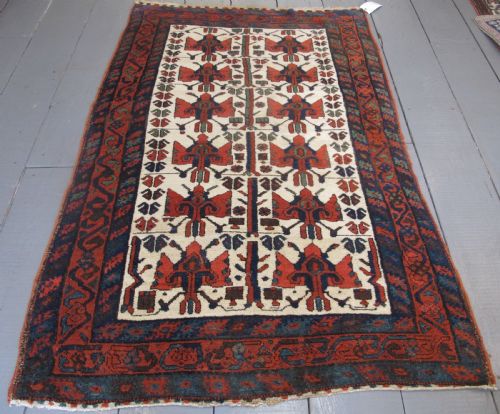
Red Kurdish Runner
A red kurdish runner brings deep tribal character to a hallway, woven by village hands in nineteenth and early twentieth century Persia.
Red Kurdish Runner
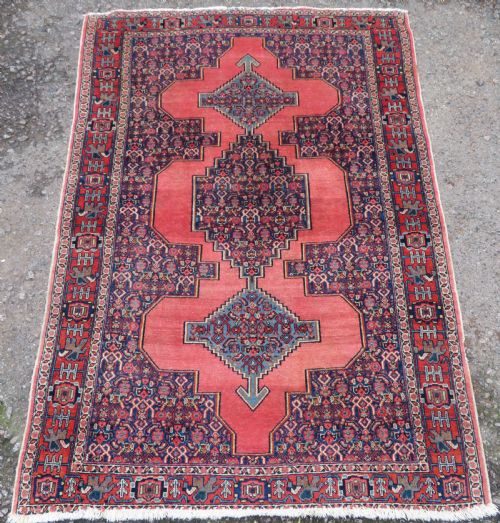
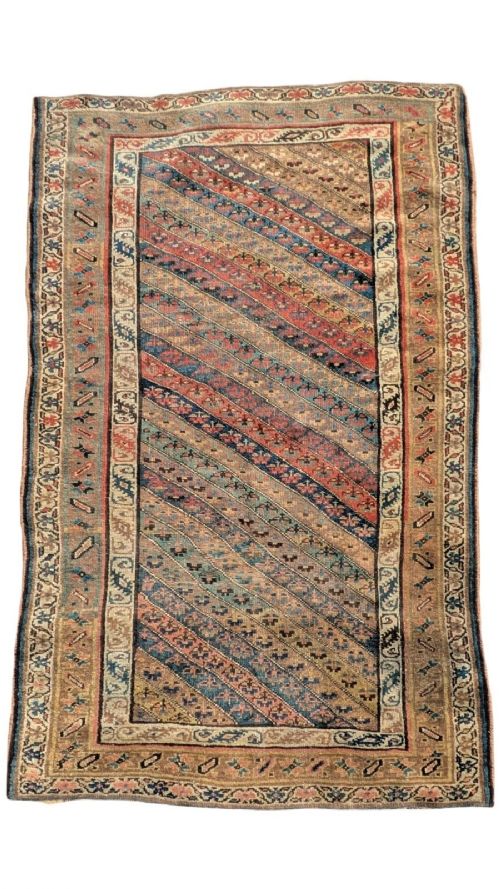
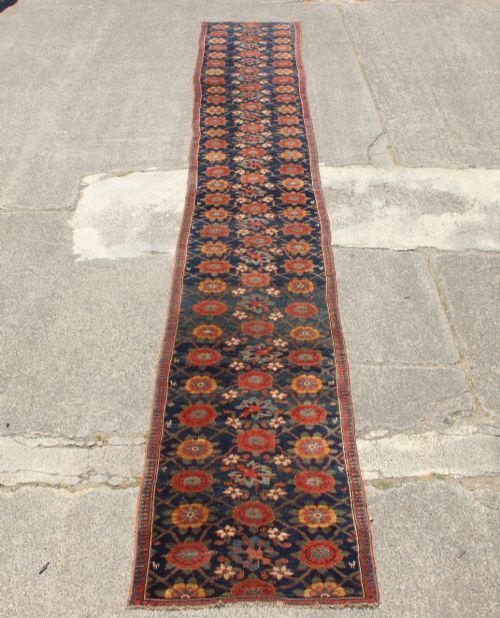
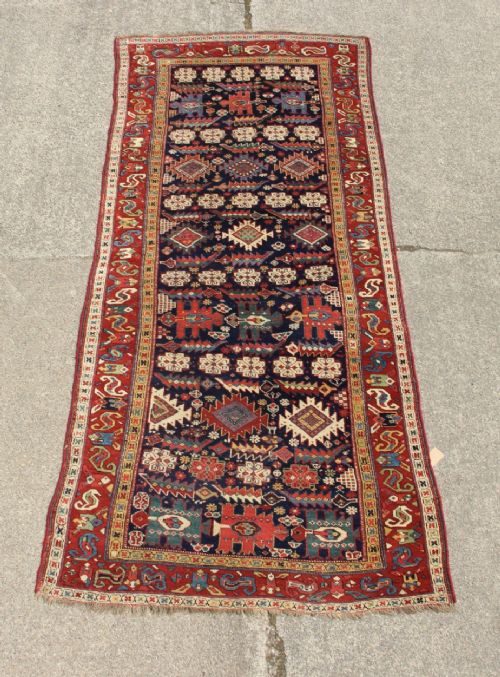
A red kurdish runner is a narrow, elongated textile designed for corridors and halls, originating from tribal workshops and villages in regions such as Bidjar, Senneh, Quchan, and Hamadan. These pieces often display geometric fields, Mina Khani motifs, garden designs, or Turkmen gul patterns woven across saturated red grounds.
The format varies from narrow corridor lengths to broader kelleh proportions, representing the utilitarian needs of domestic spaces in Persian Kurdistan, North West Persia, and East Anatolia. Buyers encounter examples dating from the nineteenth century into the early decades of the twentieth century, reflecting traditional village and tribal weaving practices.
Tribal Persian, Kurdish tribal, and Caucasian tribal influences shape the decorative vocabulary of these floor coverings. The surviving examples demonstrate the distinctive aesthetic choices of regional weavers working with traditional looms and localized wool supplies.
Factors of quality
Quality in these long formats is governed by the integrity of the wool, the precision of the tribal geometry, and the density of the knotting across the foundation. Pieces originating from centres known for tighter construction, such as Bidjar or Senneh, display firmer handles and more resilient piles than looser village counterparts.
The visual appeal of the red ground and the clarity of secondary motifs like the Mina Khani or garden designs dictate the aesthetic standing of a runner. Abrash, or natural tonal shifts in the wool caused by successive dye batches, adds character when the underlying foundation remains sound and undamaged.
Red Kurdish Runner Retail Price Guide 2026
Typical asking prices for red kurdish runner among the pieces listed under this phrase on Sellingantiques today, from the lower quarter to the upper quarter. They describe what is for sale here now, not the wider market.
Some runners preserve the unexpected presence of tiny tribal figures woven right into the field alongside the geometric motifs.
The Red Kurdish Runner Glossary
- Kelleh
- A large rectangular carpet format, intermediate in proportion between a standard rug and a long runner. These pieces typically display traditional tribal layouts suited to wide interior spaces.
- Mina Khani
- A repeating floral lattice pattern spread evenly across the field. This classical design appears frequently in regional Persian and Kurdish weaving.
- Gul
- A medallion or guls motif used repeatedly within tribal carpets. Turkmen and regional Persian weavers incorporated these primary ornaments into field compositions.
- Abrash
- Natural variations in wool colour caused by differences in dye lots or hand-spinning. This characteristic variation signals traditional vegetable dyeing methods.
- Bidjar
- A weaving region in North West Persia known for dense construction and heavy foundations. Rugs from this area earned a reputation for exceptional durability.
Red Kurdish Runner: Frequently Asked Questions
Where should I place a long runner?
These narrow formats suit hallways, corridors, and long gallery spaces where floor coverings soften footfall and add visual warmth.
Ensure the dimensions leave adequate exposed timber or stone around the edges to frame the tribal design properly.
How do I clean a wool runner?
Vacuum gently without a rotating brush roll to protect the hand-spun wool pile and delicate foundation edges.
Consult a specialist in antique textiles for professional washing rather than attempting water immersion at home.
Are these runners durable for daily use?
The thick pile and sturdy hand-spun wool construction of nineteenth-century village weaving make them suitable for moderate hallway traffic.
Using a quality underlay prevents slippage and reduces friction against the floorboards underneath.
How can I tell the age of a runner?
Examine the handle of the wool, the natural variation of the red dyes, and the construction methods used in the foundation.
Nineteenth-century examples often display subtle inconsistencies in geometry and hand-spun texture that later machine-assisted production lacks.