
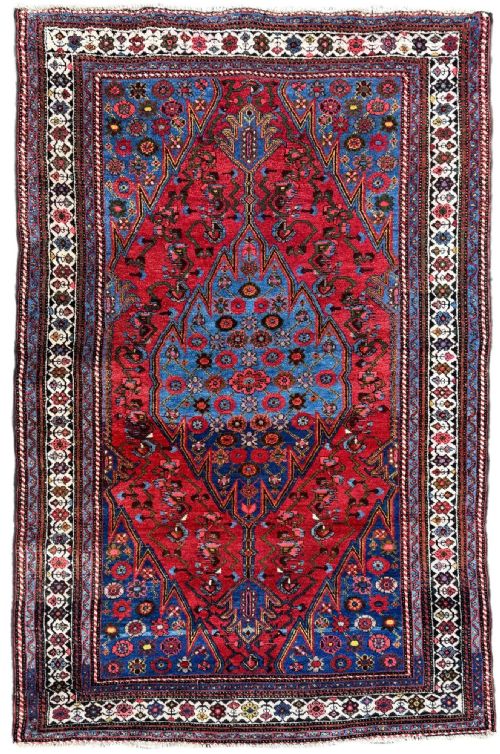
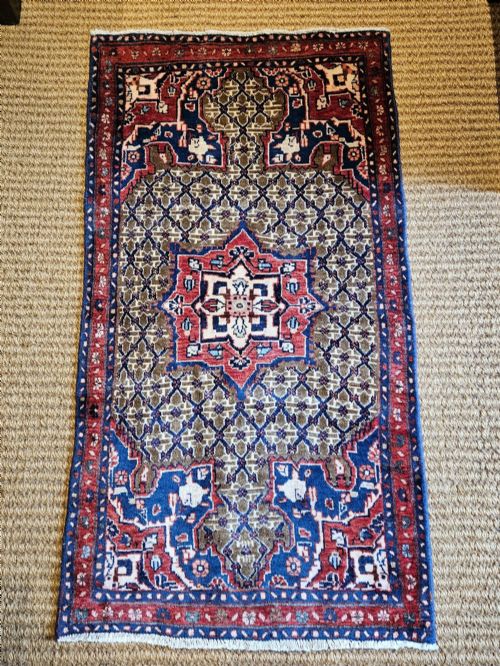
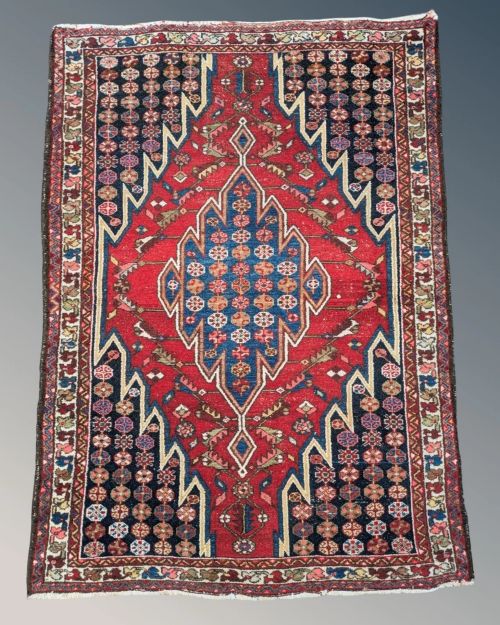
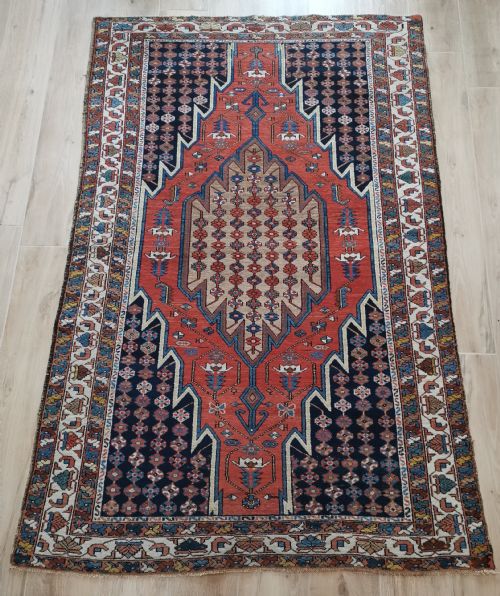


Red Hamadan Area Rug
A red hamadan area rug brings durable village craftsmanship and warm wool texture to a floor.
Red Hamadan Area Rug
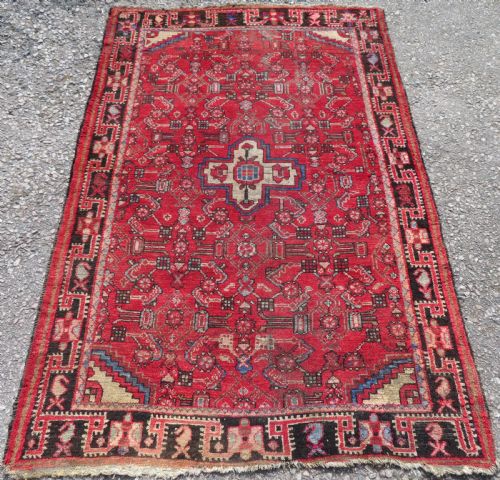
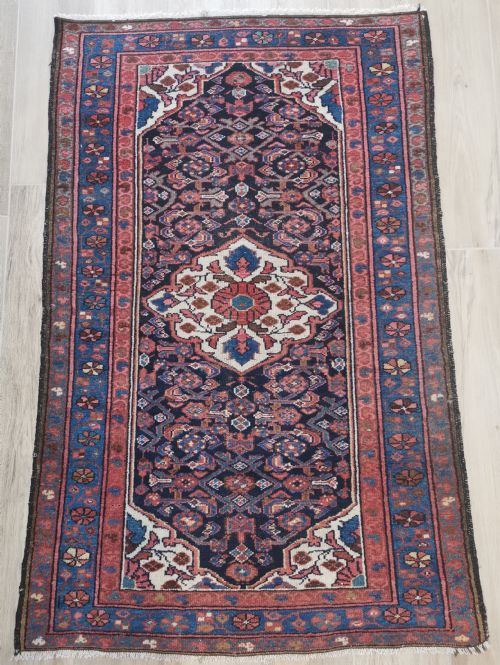
A red hamadan area rug represents traditional village weaving originating from the broad Hamadan region in Persia. These floor coverings span several decades of production, with examples appearing from the late nineteenth century through the mid twentieth century.
Buyers encounter various regional designations within these offerings, including pieces attributed to specific centres such as Mazlaghan, Malayer, and Borodjert village. Formats range from smaller hearth sized rugs to larger carpets exceeding two metres in length.
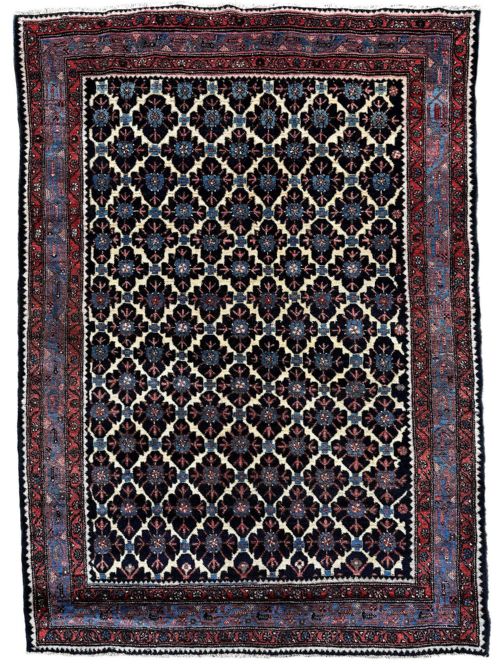
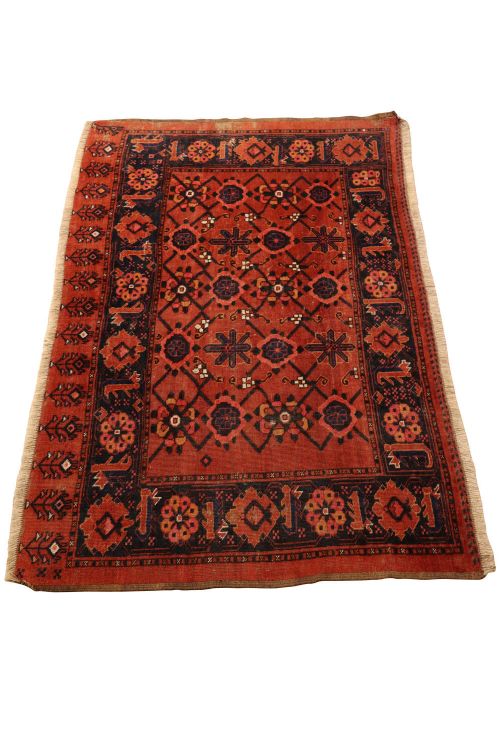
The aesthetic falls broadly under Persian tribal and traditional Persian styles, often displaying geometric motifs or floral lattice designs. These woven pieces serve practical purposes as floor coverings while showcasing the heritage of West Persian Kurdish and village workshops.
What varies in quality
Quality differences emerge in the fineness of the knotting and the crispness of the geometric or floral design work. Finer examples display tighter structural execution and more precise rendering of traditional motifs.
The condition of the wool pile and the integrity of the cotton foundation influence the overall character of each piece. Surviving examples range from heavy, thick pile textures to distressed surfaces showing age.
Listings span production dates from the eighteen seventies to the nineteen forties, using wool and cotton.
The Red Hamadan Area Rug Glossary
- Hamadan
- A major trading and collection centre in western Persia for rugs woven in hundreds of surrounding villages. These pieces often share robust wool structures and rich red colour palettes.
- Mazlaghan
- A village origin associated with distinct geometric medallion formats within the broader region. Pieces from this source share techniques with neighbouring Hamadan production.
- Malayer
- A town and district south of Hamadan known for refined village weaving. These rugs sometimes feature softer floral or boteh patterns.
- Pile
- The upright loops or cut ends of yarn that form the usable surface of the rug. In these listings, the pile is typically woven from wool on a cotton foundation.
- Hand-knotted
- A method where individual lengths of yarn are tied manually to the warp threads by the weaver. This technique ensures durability and distinguishes village pieces from machine-made carpets.
Red Hamadan Area Rug: Frequently Asked Questions
How old are these rugs?
The pieces shown date from the late nineteenth century through to the mid twentieth century. Most examples originate from the decades around nineteen twenty and nineteen thirty.
Earlier items from the late eighteen hundreds also appear, showing traditional village knotting methods handed down across generations.
Where were they made?
These textiles originate from the Hamadan region of Persia, encompassing numerous surrounding villages and towns. Specific pieces connect to local centres such as Mazlaghan, Malayer, and Borodjert village.
Weavers in these communities produced tribal and traditional Persian designs using locally sourced materials.
What materials are used?
The listings consist entirely of wool pile woven onto cotton foundations. These natural fibres provide the durability characteristic of West Persian village carpets.
The thick pile construction suits them for functional placement as floor coverings in living spaces.
How do I care for an antique rug?
Regular gentle vacuuming without a rotating brush roll helps maintain the wool pile. Professional cleaning suited for antique textiles preserves the natural dyes and fibres.
Positioning the rug away from direct, harsh sunlight prevents uneven fading of the red tones over time.