




Red Hallway Carpet
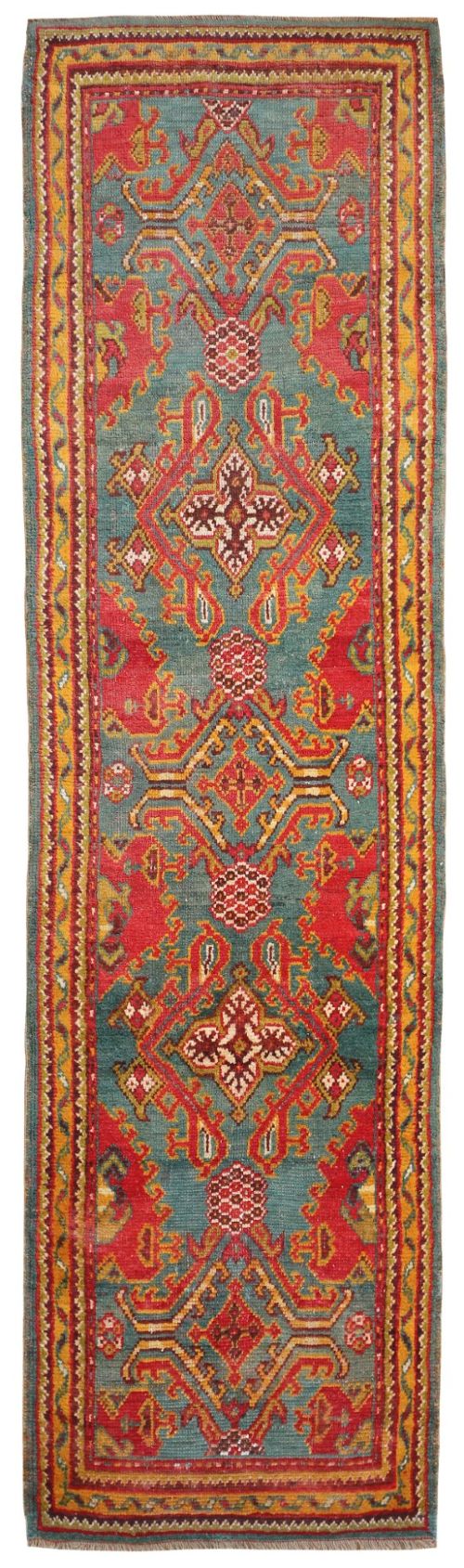
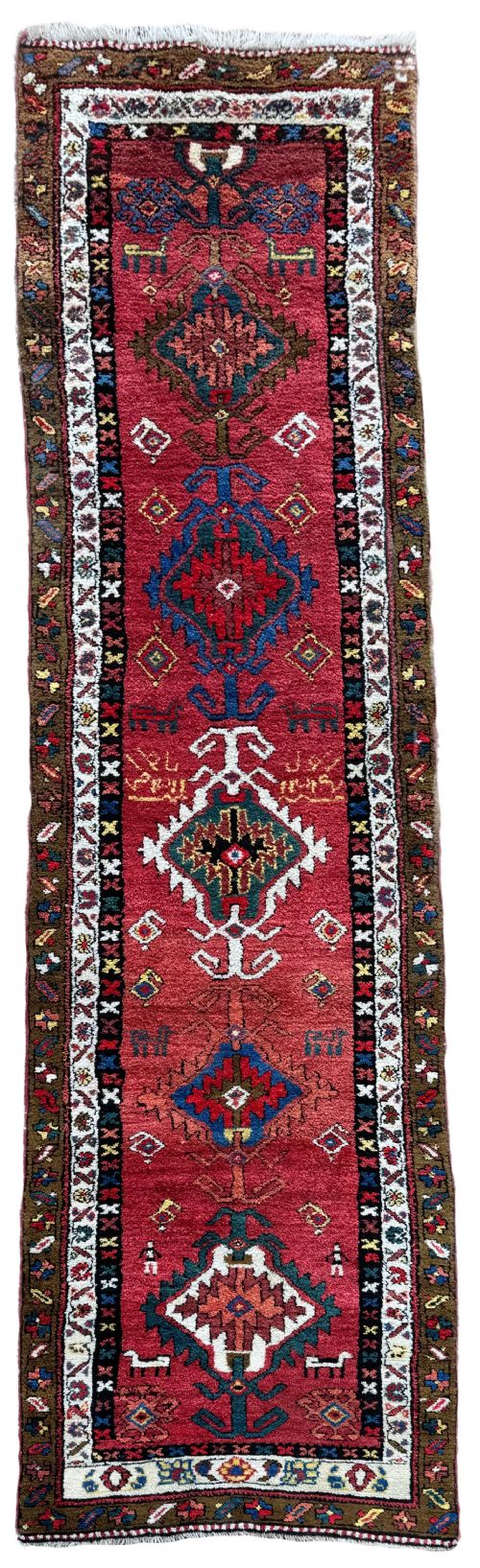
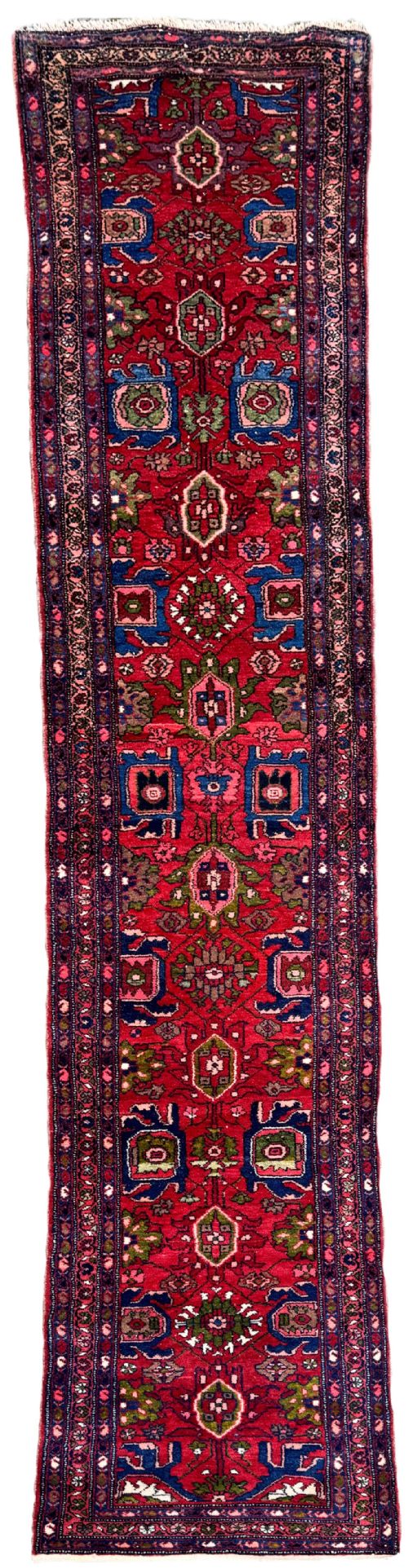
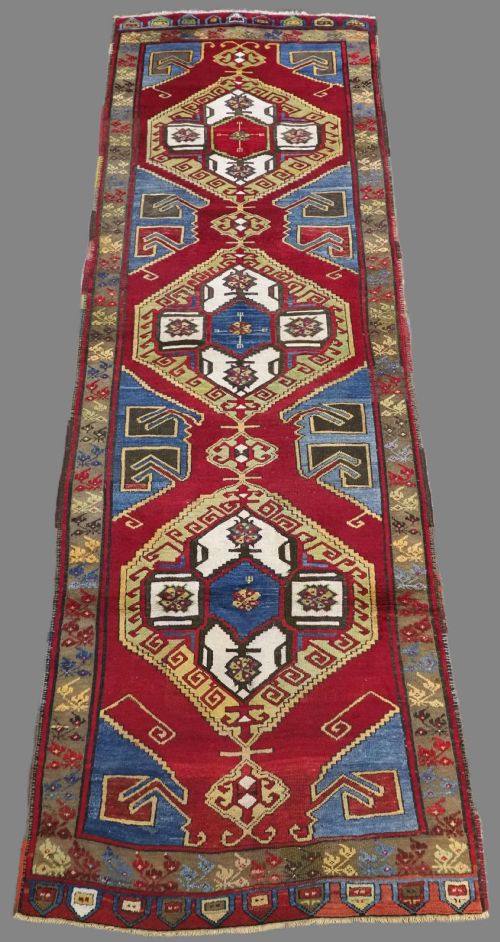
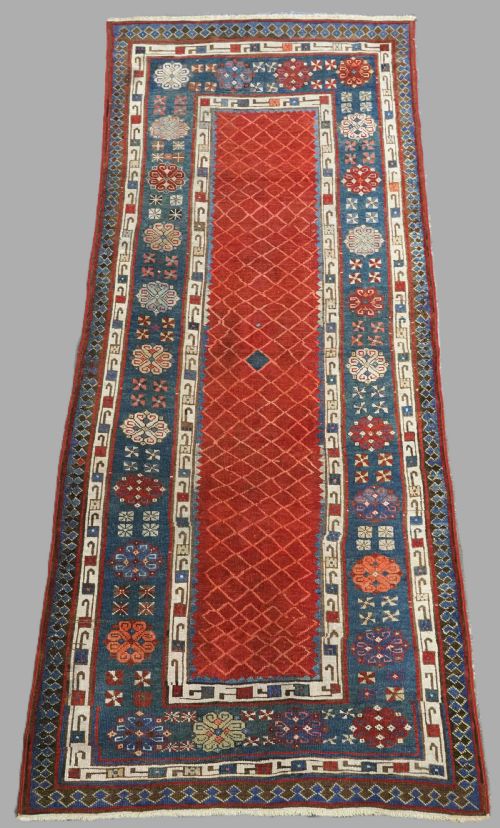
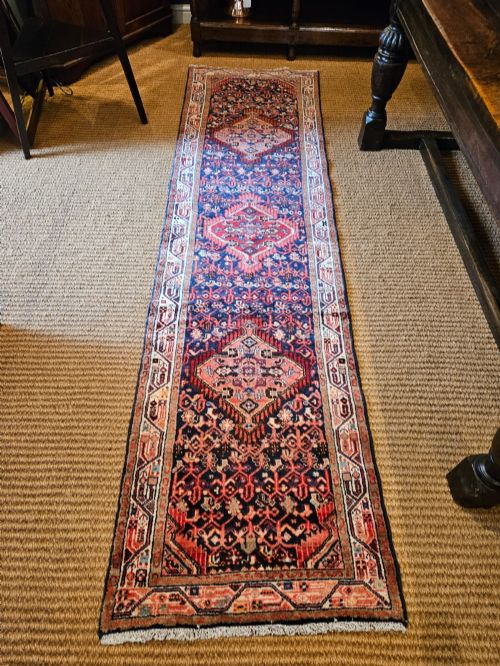
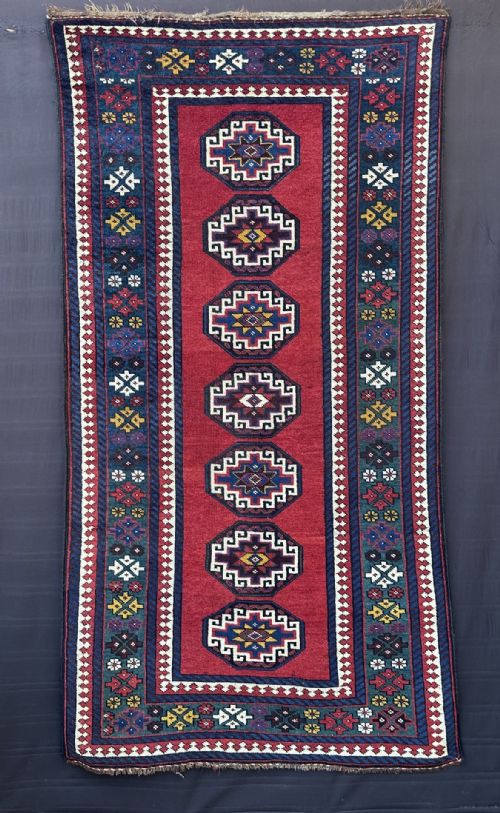
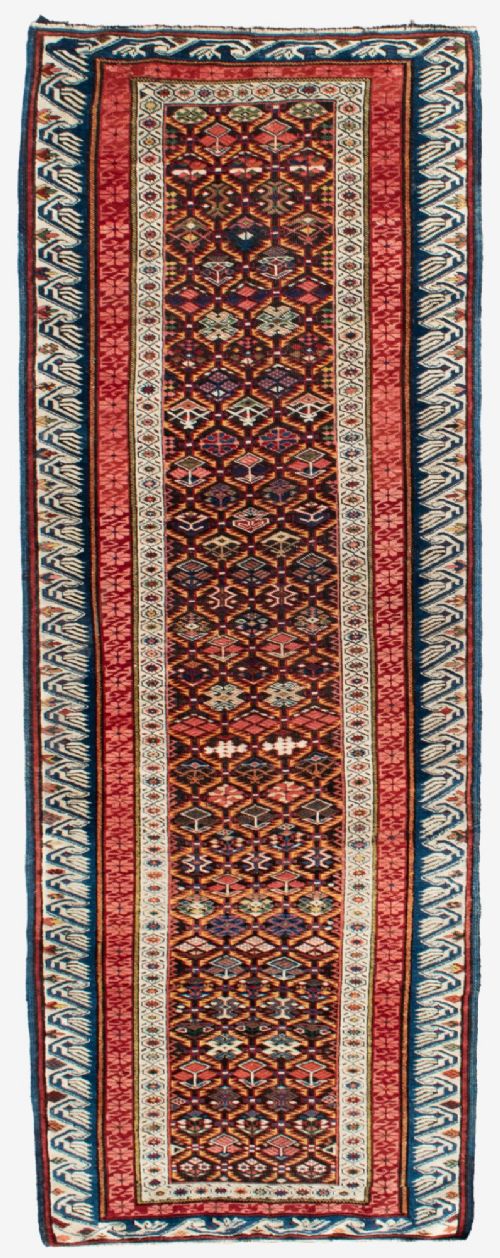
A red hallway carpet anchors a long passage with dense patterns and deep tones originating from nineteenth and early twentieth-century workshops.
Red Hallway Carpet
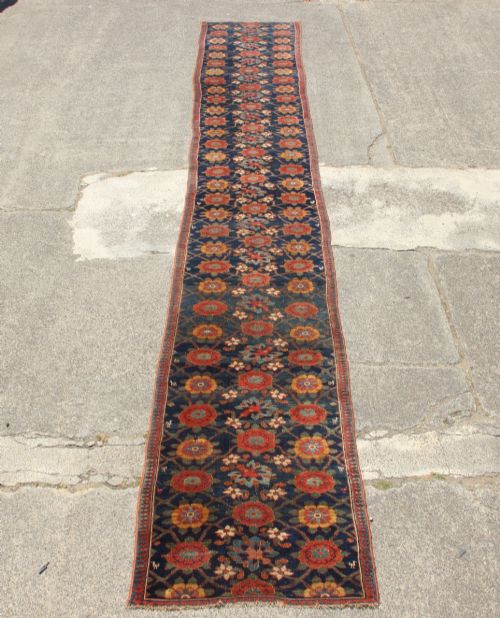
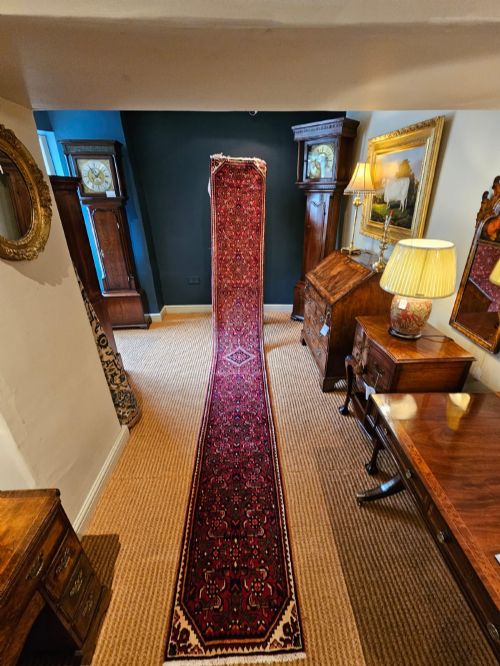
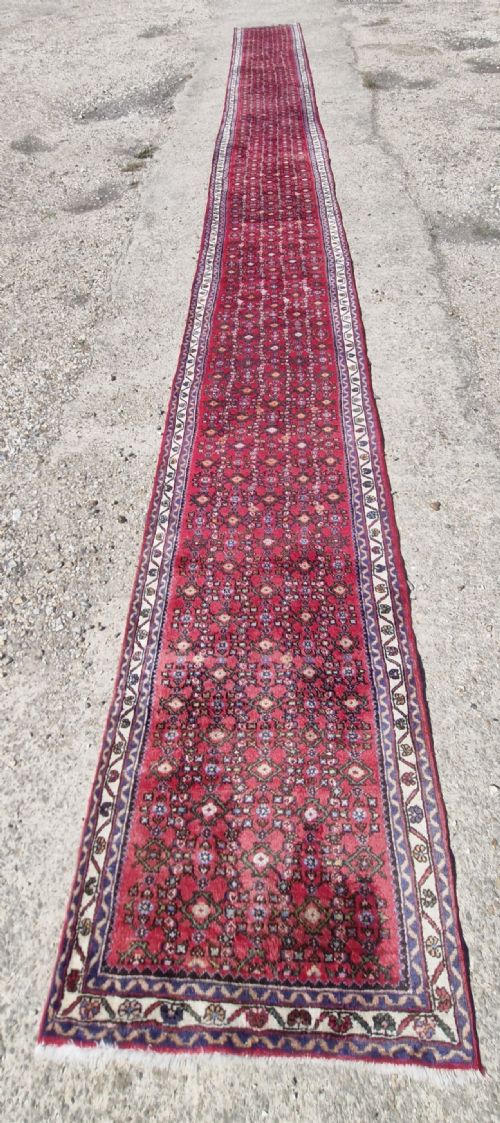
When you search for a red hallway carpet, you encounter elongated runner rugs and long floor coverings designed specifically for corridors and narrow spaces. These textiles predominantly stem from Persian, Caucasian, and Anatolian traditions, spanning the nineteenth century up to the 1920s.
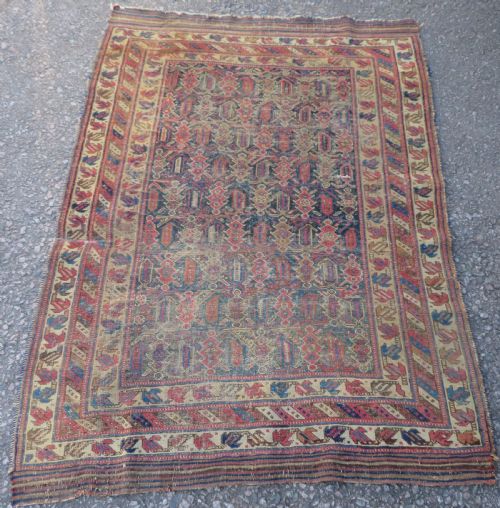
The selections on this page appear primarily as antique runners and long rugs with repeating geometric or floral motifs. Pieces from origins such as Heriz, Hamadan, Kurdish weaving centres, and various tribal workshops dominate the inventory.
Buyers select these items to bring warmth and historical character to long walkways. Each runner balances utility with intricate regional artistry, utilising narrow dimensions suited to residential hallways.
What varies in quality
The density of the knotting and the precision of the tribal or traditional design dictate the distinction between standard and finer examples. Finer specimens exhibit tighter construction and more intricate handling of motifs such as the lattice or Mina Khani patterns.
Condition and structural preservation also shape the standing of each piece. Intact edges, minimal restoration, and balanced pile wear distinguish superior survivors from heavily distressed examples.
The listings span nineteenth-century origins through to the 1960s, featuring wool, cotton, and hand-spun wool materials across multiple rug forms.
The Red Hallway Carpet Glossary
- Runner
- A long, narrow carpet format designed principally for corridors, staircases, and hallways. These pieces measure significantly longer than they are wide to fit restricted spatial layouts.
- Pile
- The vertical or upright surface of a carpet formed by the cut ends of knotted yarn. This layer absorbs footfall and protects the structural foundation beneath.
- Warp
- The stationary lengthwise threads stretched across a loom that form the structural skeleton of the carpet. Weft threads are woven horizontally across these warp strands.
- Mina Khani
- A traditional repeating floral lattice design often found in Kurdish and Persian weaving. This pattern organises stylized blossoms and vines across a symmetrical grid.
- Tribal
- A designation for rugs produced by nomadic or village groups rather than city workshops. These pieces typically display bolder geometric interpretations and regional colour choices.
Red Hallway Carpet: Frequently Asked Questions
How do I choose the right length for my hallway?
Measure the clear floor space of your corridor while leaving an equal margin of exposed wood or tile around the perimeter. Long runners in the inventory stretch across various dimensions, allowing you to match specific architectural lengths.
Account for doors opening over the carpet path to ensure clearance. Selecting a runner that stops short of the thresholds prevents unwanted bunching.
Are these carpets durable enough for daily foot traffic?
Traditional construction methods using wool and dense knotting make these textiles naturally resilient against heavy daily use. The materials withstand regular walking while maintaining their structural integrity.
Pairing the runner with an appropriate underlay provides extra cushioning and prevents slipping on hard hallway floors. This addition extends the working life of the textile.
How do I identify the regional origin of a runner?
Regional attribution relies on examining specific design motifs, border arrangements, and colour palettes unique to areas like Heriz, Hamadan, or the Caucasus. Characteristic geometric structures often point directly to specific tribal weaving traditions.
Knot count and structural materials on the reverse side offer further clues to geographic provenance. Comparing these physical traits against known regional styles clarifies the origin.
What is the best way to clean and maintain an antique runner?
Regular gentle vacuuming without a beater bar removes surface grit before it settles deep into the wool pile. Professional rug cleaning specialists should handle periodic deep washes to protect fragile natural dyes.
Rotating the runner every few months ensures even wear patterns from foot traffic and sunlight exposure. Promptly blotting spills prevents moisture from setting into the cotton and wool fibres.