



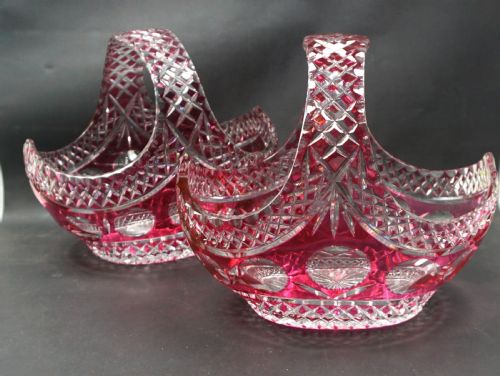


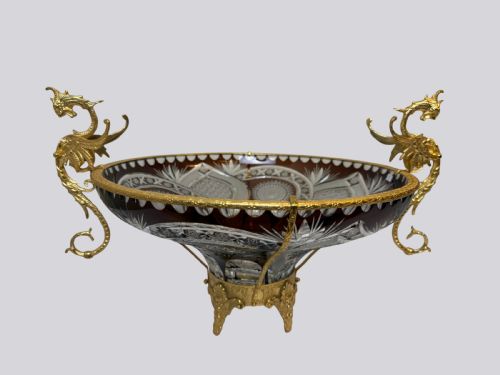


Red Glass Bowl
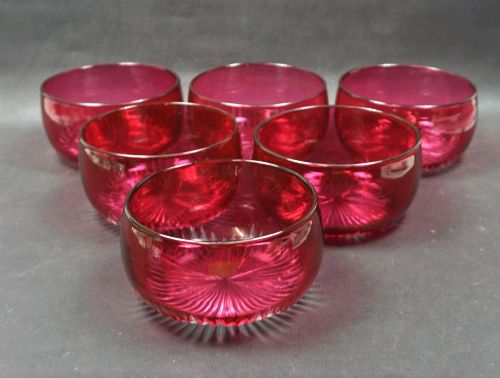
When you handle a red glass bowl, you encounter centuries of rich colour, from Victorian cranberry to Art Deco ruby hues.
Red Glass Bowl
A red glass bowl brings vibrant colour and craftsmanship to a room, drawing the eye with rich tones ranging from deep ruby to translucent cranberry.
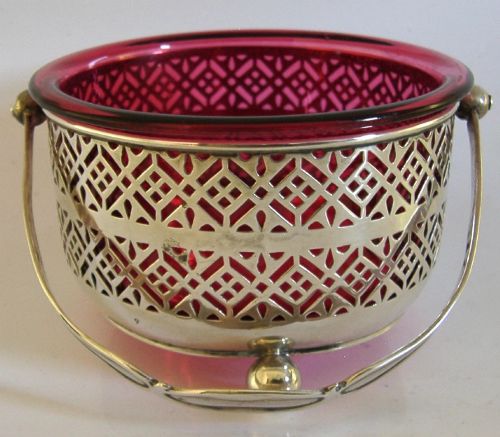
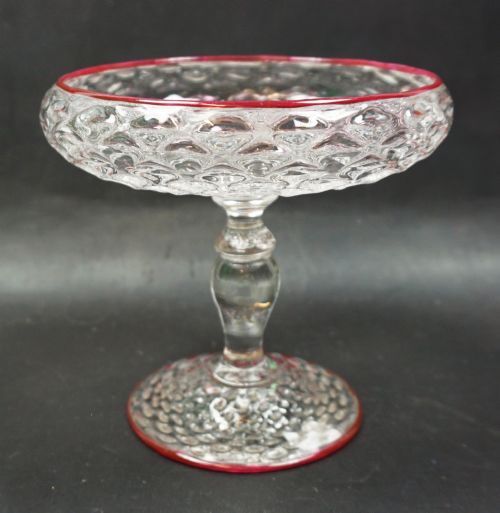
You will most frequently meet Victorian and Edwardian examples on this page, often shaped as preserve dishes, sugar baskets, or decorative centrepieces.
Many of these vessels incorporate metal mountings, pairing the glass with sterling silver, silver plate, or gilt bronze to create functional tableware and display items.
How they were made
Makers achieved the characteristic red coloration by adding gold or copper compounds to the molten glass batch before blowing or moulding the piece.
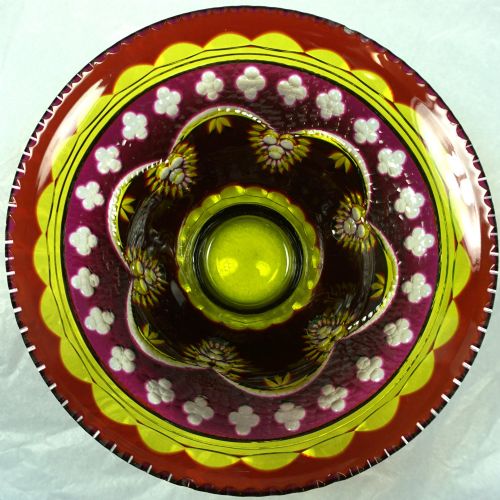
Many items combine this vibrant glass with pierced silver plate or sterling silver mountings, sometimes featuring engraved details, cut facets, or applied gilding.
Red Glass Bowl Retail Price Guide 2026
Typical asking prices for red glass bowl among the pieces listed under this phrase on Sellingantiques today, from the lower quarter to the upper quarter. They describe what is for sale here now, not the wider market.
Listings feature items spanning the Victorian, Edwardian, Art Nouveau, and Art Deco periods, incorporating cut glass, lead crystal, and enamel.
What varies in quality
Quality rests in the depth and evenness of the colour, the crispness of any cut or moulded pattern, and the weight of the metal mounts.
Pieces that retain original silver gilt, intricate enamel work, or fully matched silver swing handles stand apart from simpler domestic examples.
Val St Lambert·Paul Nicolas·Orivit·George Fox·Henri Lapeyre·Elkington and Co
The Red Glass Bowl Glossary
- Cranberry Glass
- A transparent pinkish-red glass created by adding gold chloride to the molten mixture. It became immensely popular during the Victorian period for tableware and decorative items.
- Ruby Glass
- A deeper, more saturated red glass often utilised for larger decorative bowls and vases. It absorbs more light than cranberry glass, producing a dramatic visual weight.
- Tazza
- An Italian term for an ornamental cup or shallow bowl raised on a high foot and stem. In Victorian times, these were frequently fashioned from red glass with gilt decoration.
- Silver Plate
- A base metal, such as britannia metal or copper, coated with a thin layer of silver. It provided durable mountings for glass bowls during the Victorian and Edwardian eras.
Red Glass Bowl: Frequently Asked Questions
How do I clean a red glass bowl?
Wash the glass gently in warm soapy water using a soft cloth, taking care to avoid abrasive scourers that might scratch the surface.
Keep metal mounts dry and polish them separately with an appropriate cloth to prevent tarnishing the silver or gilt.
Are these bowls safe for food?
Many antique bowls were designed for sugar, fruit, or preserves, but older manufacturing methods can mean the glass is sensitive to thermal shock.
Use them for dry items or display rather than hot foods to preserve the historical material safely.
How do I distinguish cranberry glass from ruby glass?
Cranberry glass exhibits a lighter, pinker translucency due to the gold content used in its recipe during the Victorian era.
Ruby glass is darker and more opaque, often seen in heavier decorative pieces and later nineteenth-century glassware.
Can I date a bowl without a silver hallmark?
Examine the manufacturing technique, pontil mark, and style of any applied decoration to estimate the period of creation.
Victorian pieces often display moulded honeycomb patterns or polished pontils, while Edwardian versions lean towards lighter, pierced silver mountings.