


Red Felt Textile
These red felt textile pieces are bold wool and silk works from Central Asian and Persian traditions, prized for rich colour and intricate embroidery.
Red Felt Textile
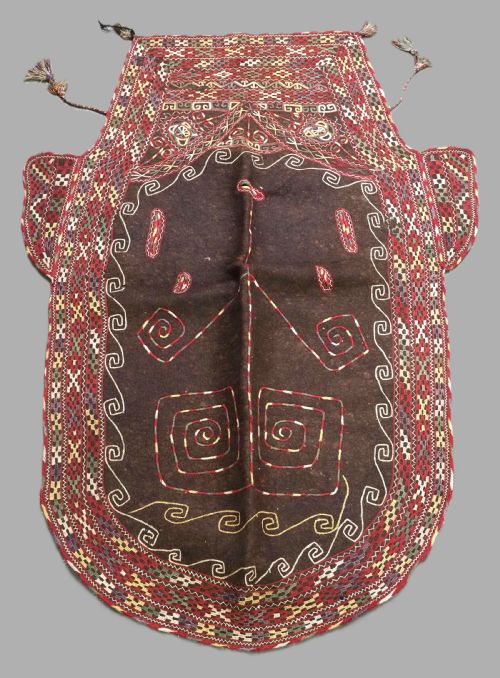
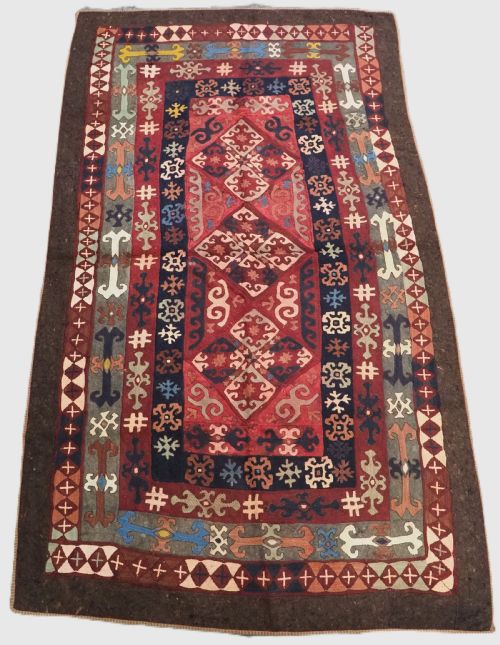
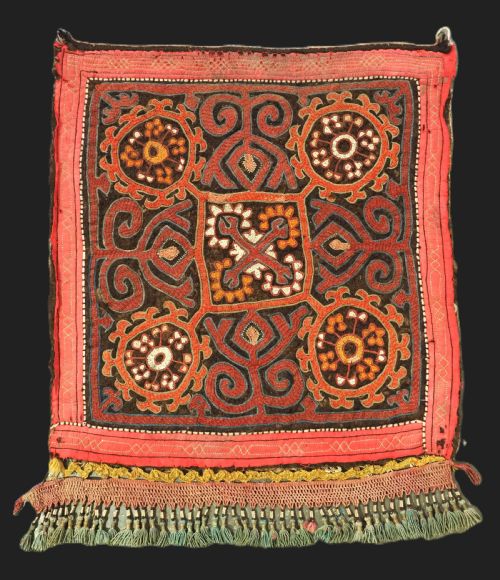
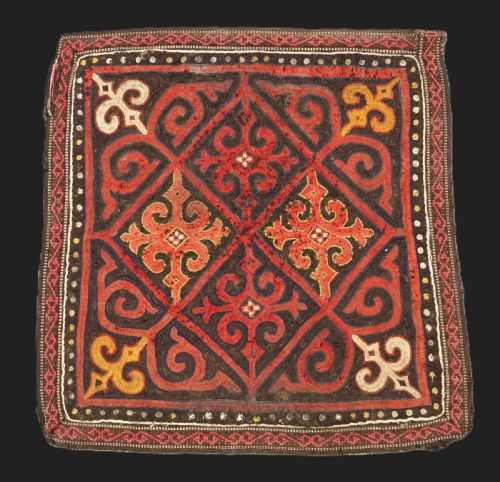
A red felt textile is typically a tribal wall hanging, rug, ceremonial blanket, or panel originating from Persian, Turkmen, Uzbek Lakai, and Kyrgyz makers. These works span from the late nineteenth century through the early twentieth century, encompassing periods around 1880, 1900, and 1930.
The most common forms encountered on this page are Persian Rasht embroideries featuring silk thread and felt applique work on a red felt ground. Alongside these, buyers find Central Asian tribal items such as felt rugs, Ok Bash headwear with horsehair tassels, and ceremonial horse blankets.
How They Were Made
Makers utilised wool and felt to form a durable base, often constructing a solid red felt ground for the textiles. This dense foundation provided a sturdy surface for subsequent textile work.
Silk and cotton threads, along with cotton thread, were employed for detailed embroidery and applique work. Artisans embellished the felt grounds with applied fringe and complex motifs such as floral and star medallions.
At least one horse managed to keep its ceremonial blanket looking remarkably grand.
What Varies in Quality
The standard of a red felt textile depends heavily on the fineness of the classic design and the execution of the embroidery. Pieces featuring precise silk and felt applique work demonstrate superior handwork compared to simpler constructions.
Condition and completeness also separate examples, particularly where delicate elements like horsehair tassels, applied fringe, and intricate silk thread motifs remain intact and well-preserved.
The Red Felt Textile Glossary
- Felt
- A non-woven textile produced by matting, condensing, and pressing wool fibres together. It serves as the primary ground material for these Central Asian and Persian pieces.
- Rasht embroidery
- A traditional form of Persian needlework originating from the city of Rasht. It involves intricate silk embroidery and applique applied directly onto a felt backing.
- Ok Bash
- A traditional Kyrgyz felt headwear or hat, often ornamented with tassels and embroidery. They reflect nomadic craftsmanship from Central Asia.
- Applique
- A ornamental technique where pieces of fabric, such as felt or silk, are stitched onto a larger foundational ground to create patterns. This method adds textural depth to the surface design.
Red Felt Textile: Frequently Asked Questions
What is a red felt textile?
A red felt textile is a traditional wall hanging, rug, or panel created by Persian or Central Asian makers using a wool felt base. These pieces often feature elaborate silk embroidery and applique work.
They represent nomadic and regional craft traditions, predominantly dating from the late nineteenth and early twentieth centuries.
How were these textiles used originally?
Many of these items served practical and ceremonial purposes within nomadic or regional households. Examples include horse blankets, wall panels, and decorative floor coverings.
Items like the Ok Bash functioned as practical headwear, whilst others adorned nomadic tents and homes.
How do I care for antique felt?
Antique felt requires gentle handling and protection from direct sunlight to preserve the vibrant red ground and delicate fibres. Keeping the textile in a stable environment prevents wool degradation.
Professional textile conservation advice should be sought before undertaking any cleaning.
How do I date a red felt textile?
Dating relies on examining the materials, regional styles, and types of embroidery present on the piece. Pieces on this page typically originate from periods around 1880, 1900, and 1930.
Stylistic markers such as Qajar designs or Turkmen motifs also help contextualise the age of the work.