

Red Cream Persian Rug
A red cream persian rug brings centuries of woven heritage into a room, offering enduring warmth and intricate regional patterns.
Red Cream Persian Rug
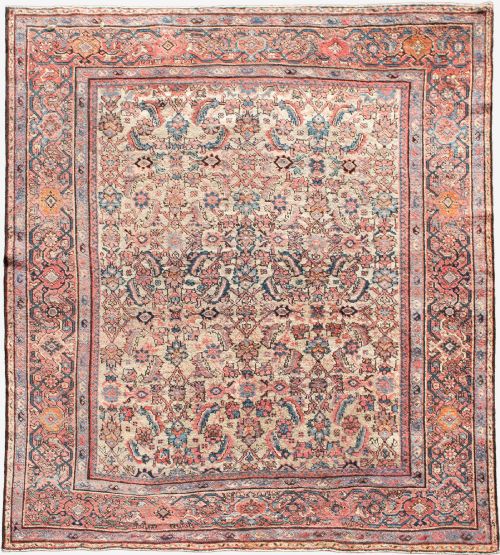
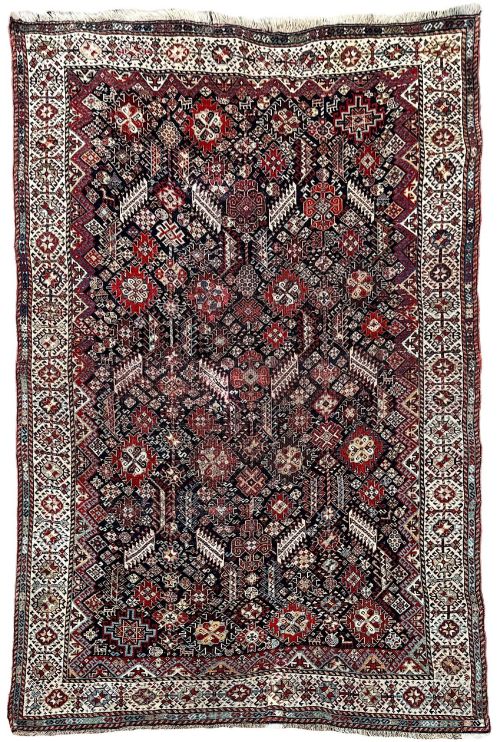
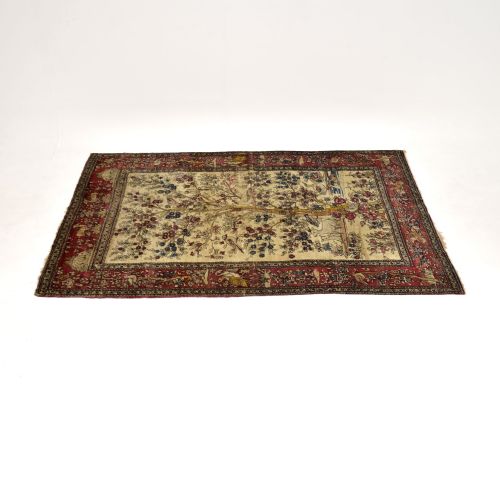
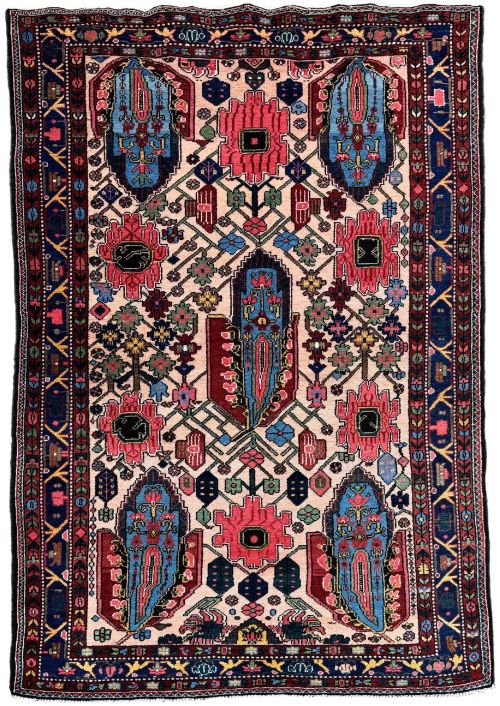
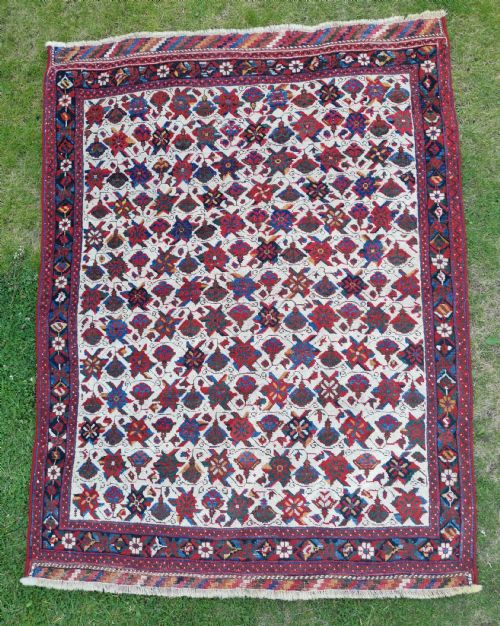
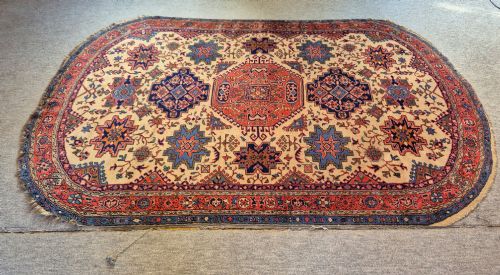
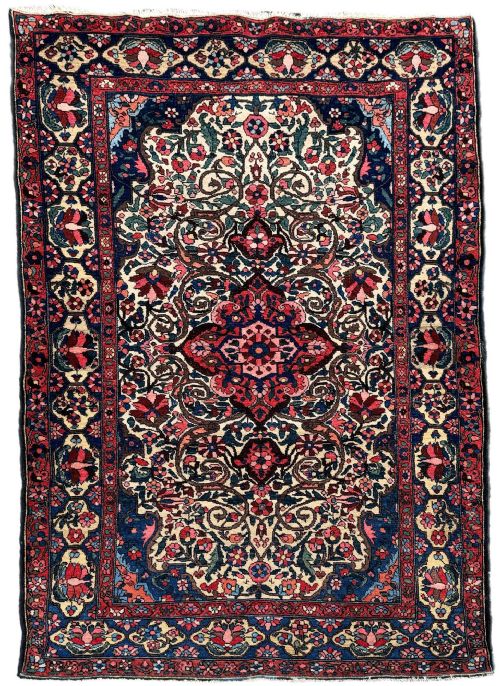
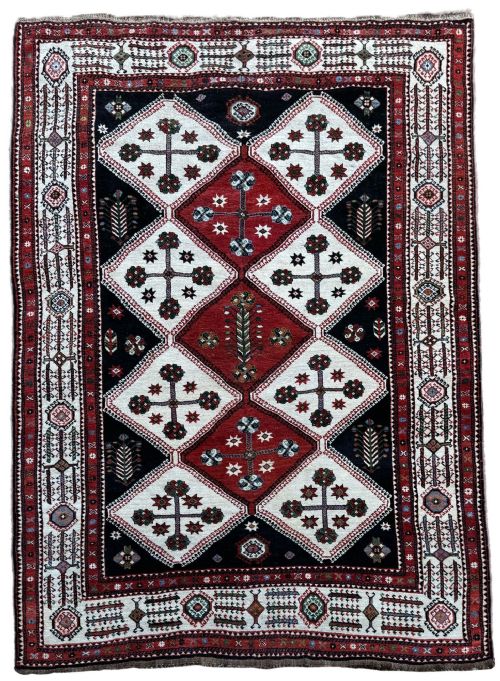
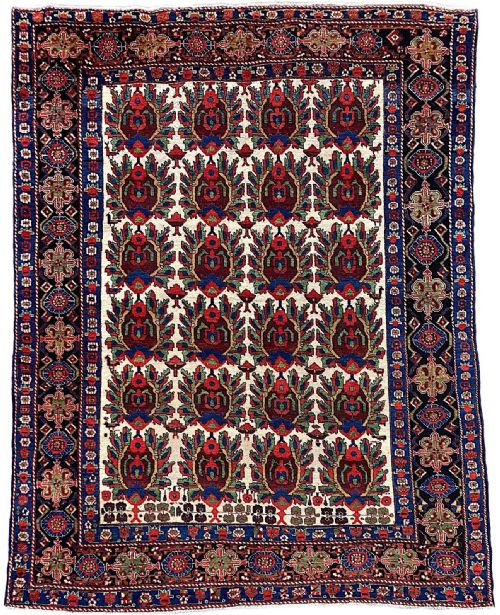
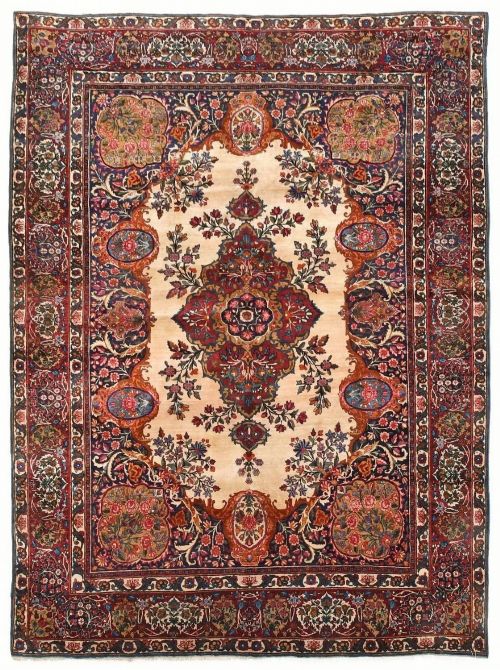
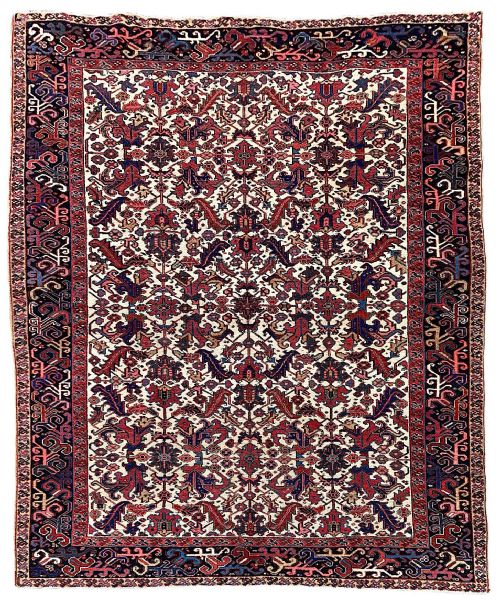
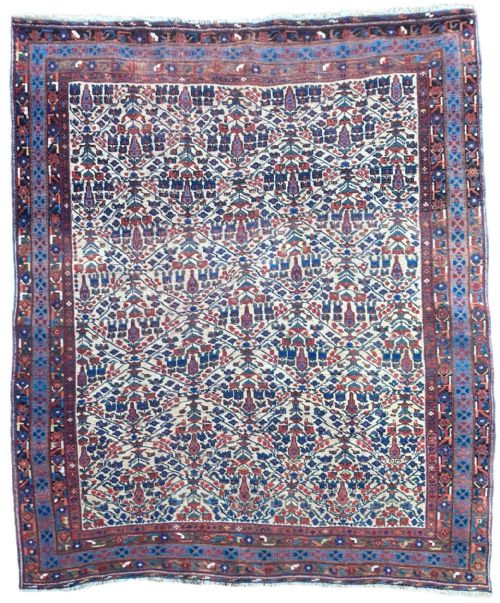
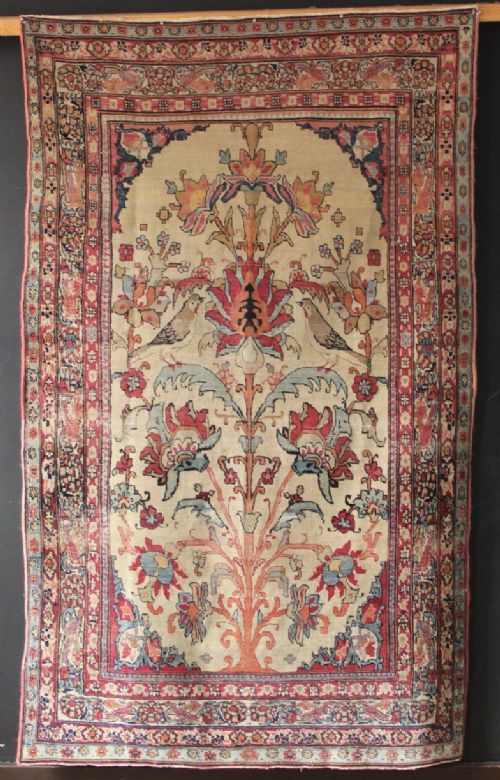
When searching for a red cream persian rug, buyers encounter hand-knotted floor coverings originating from various workshops and nomadic tribes across Persia. The pieces listed here span the nineteenth and early twentieth centuries, capturing traditional aesthetics from periods such as the eighteen-seventies up to nineteen-thirty.
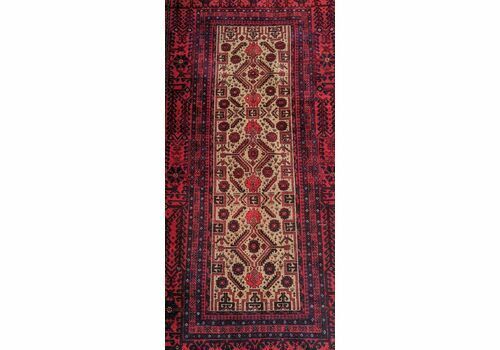
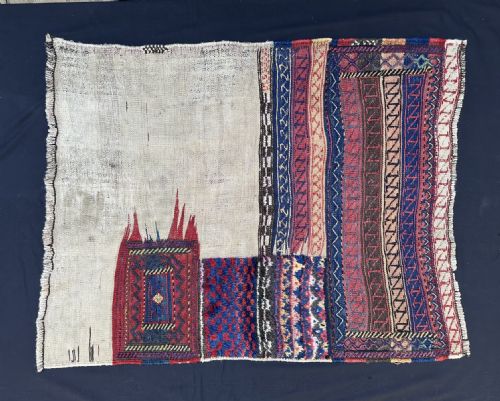
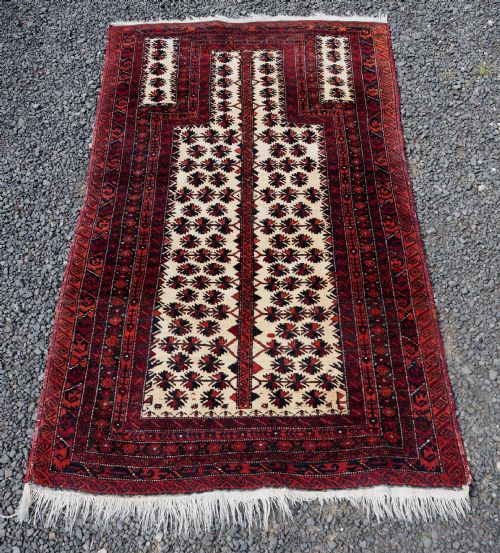
Most examples take the form of area rugs, room-sized carpets, runners, and specialised tribal textiles like prayer rugs or sofreh. These furnishings reflect distinct regional weaving traditions, including Heriz, Bakhtiar, Tabriz, Kirman, and Afshar styles.
How They Were Made
Weavers constructed these carpets predominantly using wool, cotton, and occasional silk highlights, often relying on hand-spun wool for the pile and cotton for the foundational warps and wefts. Goat hair also appears in specific tribal pieces to provide sturdy selvedges.
Makers utilised natural dyes to achieve rich crimson reds and soft ivories, creating durable textiles through traditional hand-knotting techniques rooted in village and city workshops alike.
Red Cream Persian Rug Retail Price Guide 2026
Typical asking prices for red cream persian rug among the pieces listed under this phrase on Sellingantiques today, from the lower quarter to the upper quarter. They describe what is for sale here now, not the wider market.
Object types include area rugs, room-size carpets, narrow runners, prayer rugs, and nomadic bread sofreh.
What Varies in Quality
The density of the knotting and the fineness of the materials dictate the precision of the design work, separating village tribal pieces with bold, geometric charm from finely detailed city carpets. Finer wool and occasional silk content allow for greater intricacy in floral medallions and curvilinear motifs.
Condition and structural integrity, including the retention of original borders and pile depth, define the standing of each carpet within its respective regional tradition.
Ahmadi Isfahan·Ziegler
The Red Cream Persian Rug Glossary
- Warp
- The vertical foundation threads stretched tightly on the loom before knotting begins. The fringe of a rug typically consists of these extended warp threads.
- Weft
- The horizontal threads passed through the warps after each row of knots to lock them securely in place. They contribute to the structural firmness of the carpet.
- Pile
- The surface of the rug formed by the cut ends of the knotted yarn. Pile height varies depending on whether the piece was woven for nomadic travel or city display.
- Natural Dyes
- Colourants derived from plant, insect, and mineral sources prior to the introduction of synthetic dyes. They produce complex tones that age with considerable depth.
Red Cream Persian Rug: Frequently Asked Questions
How do I clean an antique rug?
Professional dusting and specialist immersion washing are recommended for antique wool and cotton textiles. Avoid harsh chemical treatments to preserve the natural dyes.
Regular gentle vacuuming without a rotating power brush helps prevent dust accumulation in the pile.
Where were these carpets made?
These textiles originate from diverse regions across Persia, including urban centres like Tabriz and Isfahan, as well as tribal areas such as Fars and the Chahar Mahal.
Each weaving group utilised distinct palettes and local motifs that reflect their specific cultural heritage.
Are these rugs suitable for daily use?
Traditional hand-knotted carpets possess robust construction designed to withstand regular foot traffic. Placing a quality underlay beneath the rug reduces friction and extends the life of the foundation.
Heavily detailed city carpets or delicate prayer rugs benefit from placement in lower-traffic areas to preserve their finer pile.
How do I identify regional rug styles?
Regional attribution relies on examining the specific geometry of the central medallion, border designs, and colour combinations. For instance, Heriz carpets often feature bold geometric structures, whereas Kirman pieces typically display intricate floral sprays.
Knot types and materials like goat hair or hand-spun wool further assist in distinguishing village workshops from nomadic tribes.