


Red Ceramic Figurine
A red ceramic figurine brings warmth and character to a room, ranging from playful Staffordshire dogs to intricate Art Deco dancers.
Red Ceramic Figurine
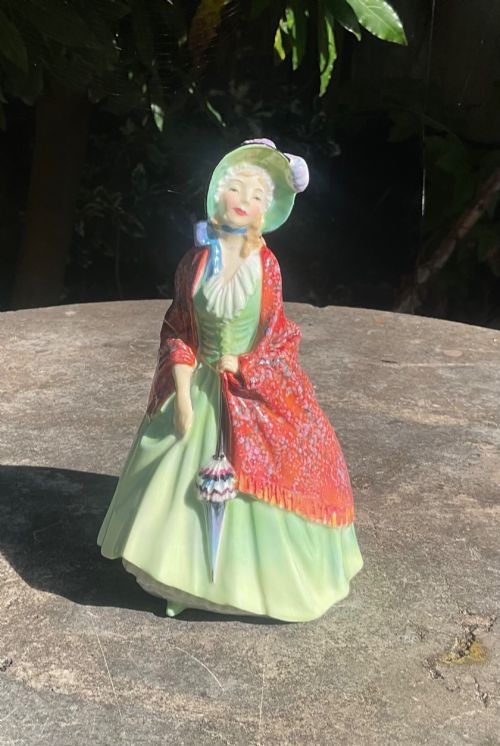
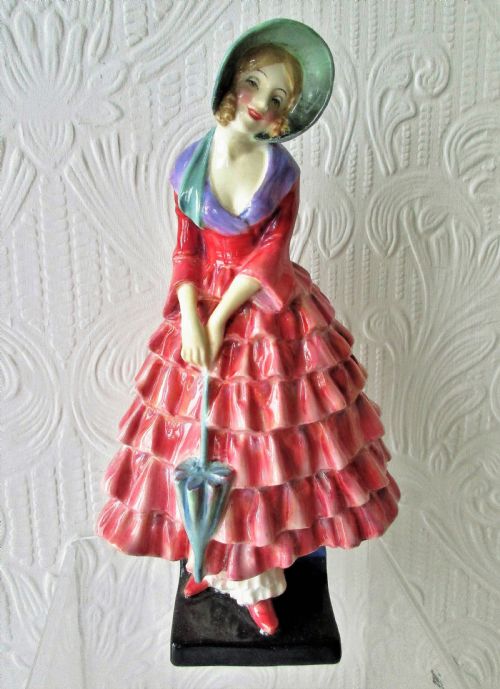
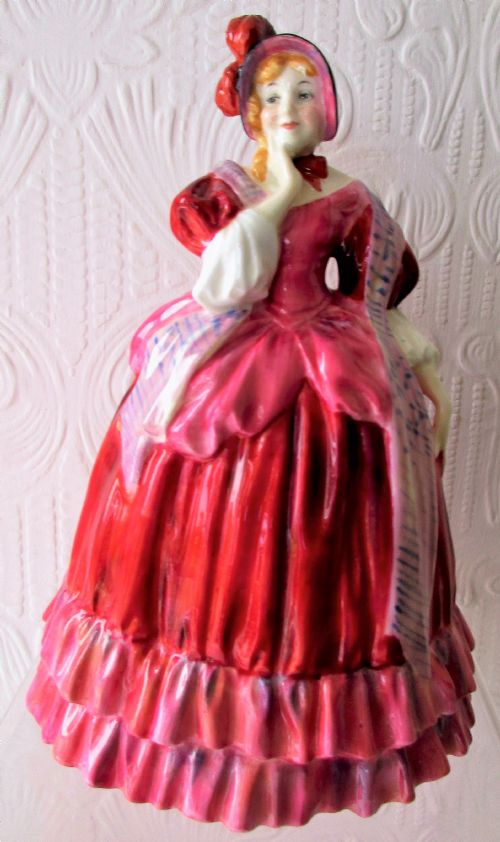
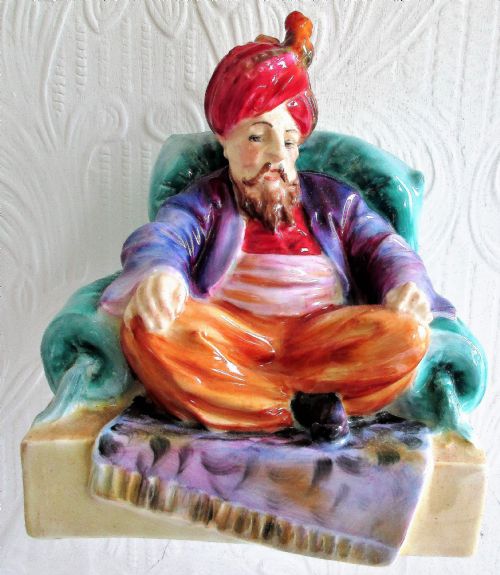
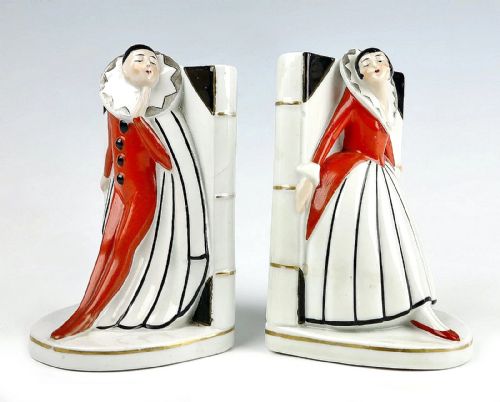
A red ceramic figurine encompasses a diverse group of sculptural objects shaped from clay, earthenware, bone china, or porcelain. When searching for a red ceramic figurine, buyers encounter everything from nineteenth-century Staffordshire spaniels and flat back spill holders to Art Deco bookends and twentieth-century porcelain ladies. These pieces serve as decorative ornaments, paperweights, or bookends, often depicting animals, historical figures, or literary characters.
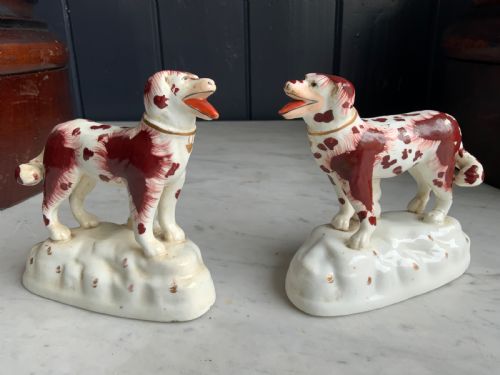
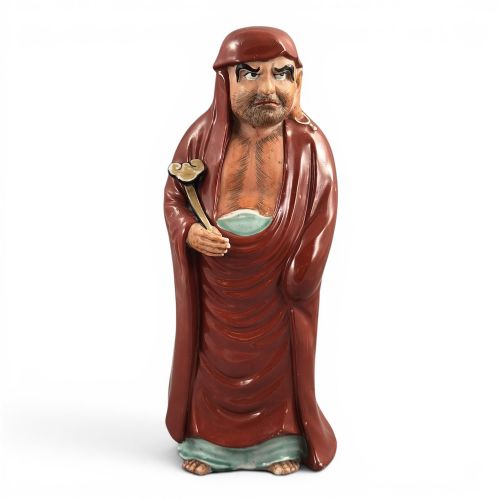
The selection on this page leans heavily toward nineteenth-century Staffordshire pottery figures and mid-century English porcelain. Buyers frequently find pairs of seated spaniels with distinctive red markings, alongside Japanese Kutani okimono figures, Chinese porcelain foo dogs, and Spanish folk art. Each era brings distinct manufacturing traits, from Victorian earthenware to Art Deco glazed ceramic pieces with gilded highlights.
Materials and construction
Makers utilised earthenware, bone china, and porcelain as the primary bases for these sculptural pieces. Earthenware bodies appear frequently in nineteenth-century Staffordshire pottery, fired at lower temperatures and finished with an opaque glaze. Porcelain and bone china versions, such as those from twentieth-century English potteries, require higher firing temperatures to achieve a vitrified, durable finish.
Surface decoration relies on applied enamels, colourful glazes, and occasional gilt highlights. Artisans painted details by hand over or under the glaze before a final secondary firing to fix the colour. Some pieces incorporate moulded relief details, while others use moriage techniques to build raised decorative patterns directly onto the ceramic surface.
Nineteenth-century Staffordshire spaniels were nicknamed comforter dogs because anxious owners believed their steady gaze warded off loneliness.
Assessing quality in ceramic figures
The preservation of original enamels and gilt highlights significantly influences the integrity of a piece. Fading, excessive wear to the overglaze paint, or heavy restoration alters the visual balance intended by the maker. Consistency in the ceramic body and stability in flat-backed or seated forms also mark the standard of construction.
Royal Doulton·Meissen
The Red Ceramic Figurine Glossary
- Spill holder
- A ceramic vase or figure designed with an attached cylinder to hold wooden spill sticks used for lighting fires or pipes. These hollow holders commonly appear on nineteenth-century mantelpieces.
- Okimono
- A Japanese term for a decorative object or figurine intended for display on a household shelf or tokonoma alcove. These figures often depict mythical beings, animals, or historical subjects.
- Flat back
- A Staffordshire pottery figure constructed with an unglazed or minimally finished flat reverse side intended to stand flush against a wall. This technique saved materials and weight during production.
- Moriage
- A Japanese ceramic decoration method where clay slip is piped onto the surface to create raised, textured patterns before glazing and firing. This technique produces a tactile, ornate finish.
- Foo dog
- A traditional Chinese guardian lion sculpture rendered in porcelain, earthenware, or stone. These figures traditionally stand in pairs to protect buildings from harmful spiritual influences.
Red Ceramic Figurine: Frequently Asked Questions
What are Staffordshire pottery dogs?
Staffordshire pottery dogs are earthenware figures produced in the nineteenth century, commonly modeled after King Charles Spaniels. Makers painted these ornamental dogs in pairs with distinctive patches of red, black, or copper lustre.
Victorian households placed these mantel figures on opposite ends of a fireplace to watch over the room. Their friendly expressions and uniform sizing made them a staple of British domestic interiors.
Where should I display ceramic figures?
Ceramic figures perform best on stable surfaces away from high-traffic edges where accidental knocks might occur. Mantelpieces, bookshelves, and enclosed cabinets provide secure locations that showcase their forms and decorative glazes.
Keeping pieces out of direct, harsh sunlight preserves the vibrancy of hand-painted enamels and gilt highlights over time. Grouping pairs together, such as Staffordshire dogs or bookends, maintains their visual balance in a room.
What is the difference between porcelain and earthenware?
Porcelain is a dense, vitrified ceramic fired at extremely high temperatures until the clay body becomes non-porous and semi-translucent. Earthenware is a softer, more porous pottery fired at lower temperatures that requires a protective glaze to hold liquids.
Figures made from porcelain generally exhibit finer details and thinner walls than heavier earthenware pieces. This material difference affects the weight, resonance when tapped, and overall durability of the figurine.