
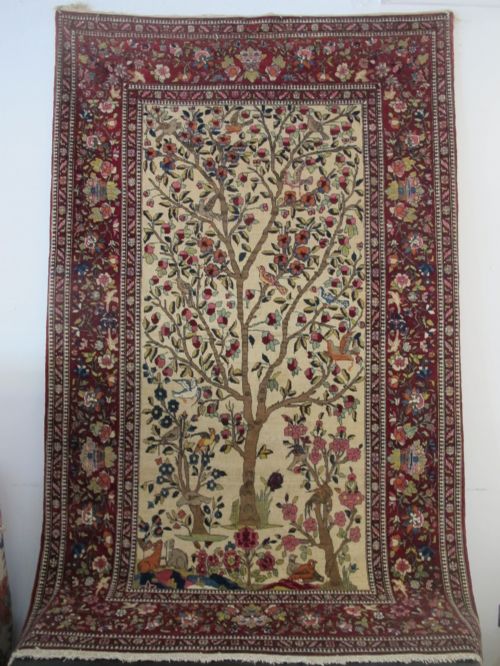


Red Border Area Carpet
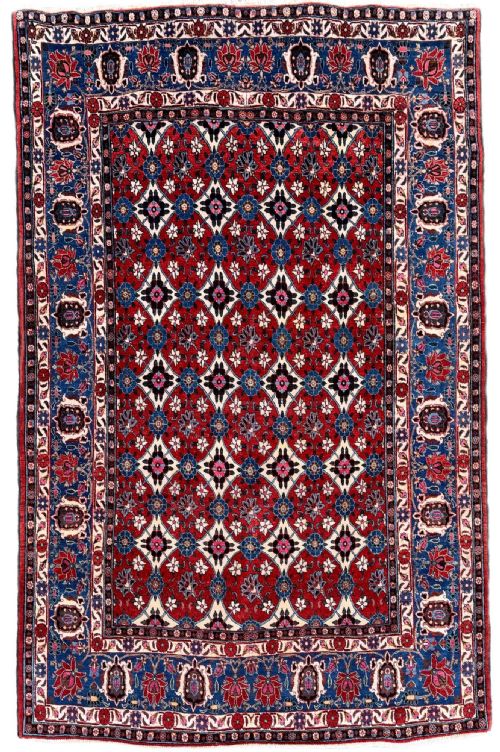
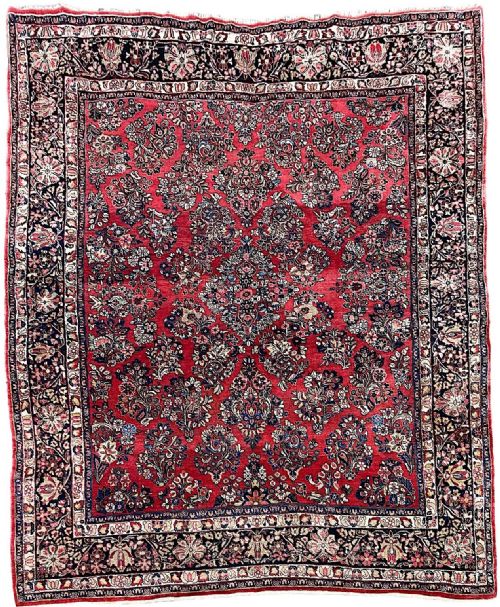
A red border area carpet anchors a room with structured framing and rich hues, bringing historic Persian and Caucasian weaving traditions into a modern interior.
Red Border Area Carpet
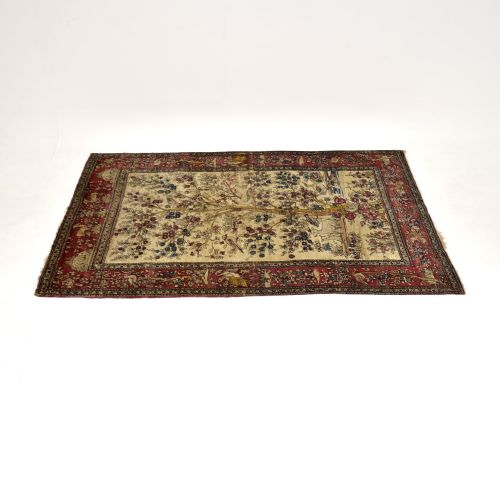
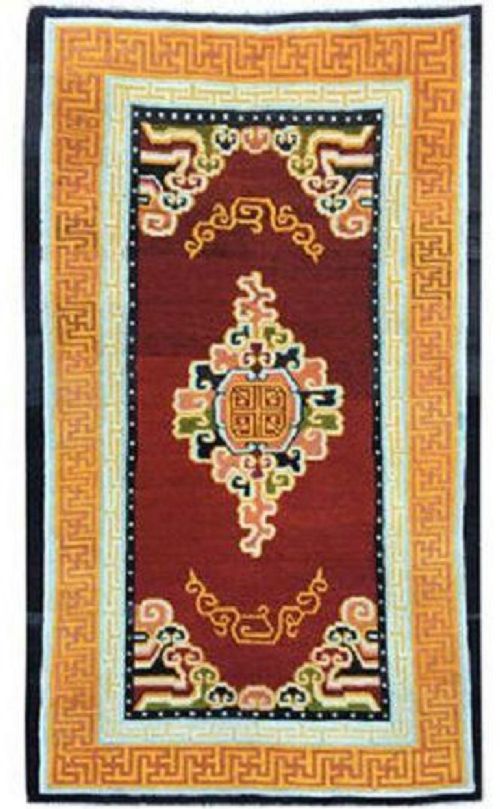
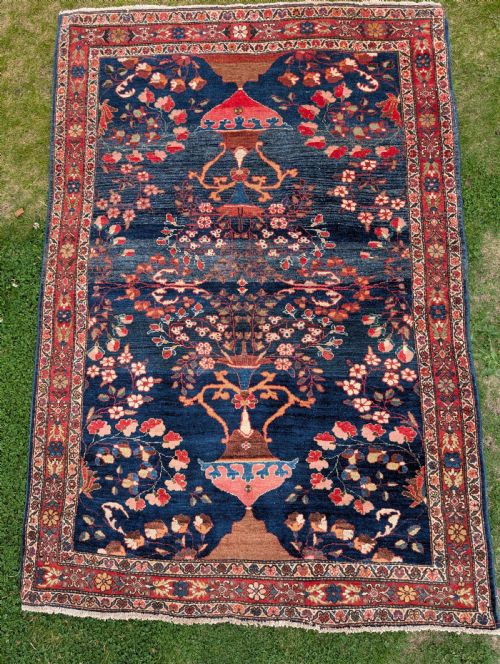
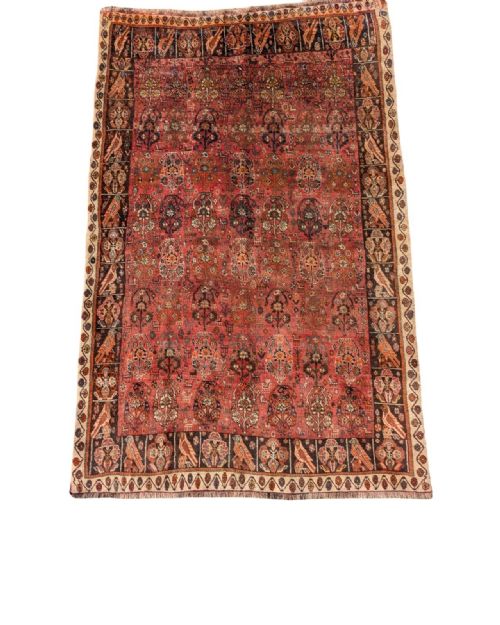
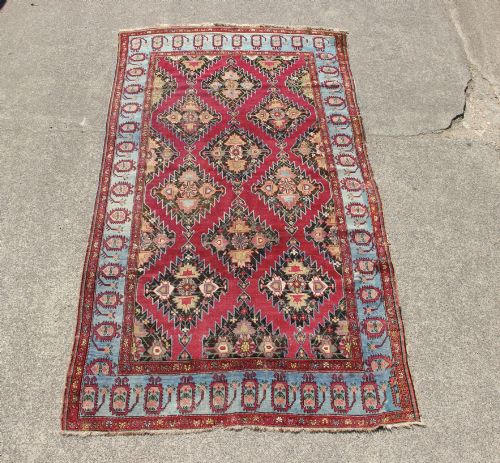
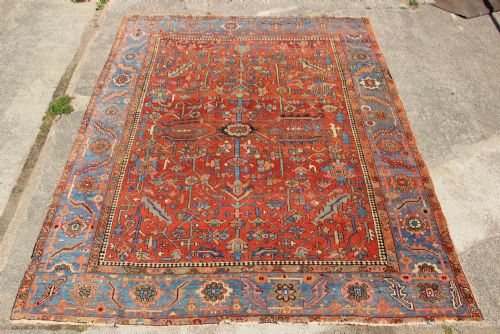
A red border area carpet provides substantial floor covering through large formats and runner dimensions, originating primarily from Persian, Caucasian, Ottoman, and Tibetan traditions. Buyers encounter grand room-sized carpets alongside smaller rugs, all defined by prominent framing borders that enclose intricate field designs.
The selection spans production dates from the mid-nineteenth century through the early twentieth century, capturing distinct regional weaving practices. Pieces range from city workshop carpets with curvilinear floral motifs to geometric village and tribal productions.
How they were made
Materials rely predominantly on wool and cotton foundations, occasionally incorporating silk or hand-spun wool to achieve varying pile textures and structural durability. Weavers knotted these fibres by hand onto warp and weft threads, creating dense surfaces designed to withstand generations of use.
Dye methods utilise natural colorants applied to wool, cotton, and angora wool, producing deep reds and contrasting border tones that remain stable over decades. Weaving techniques reflect regional disciplines, from city workshops employing precise carton designs to tribal makers working from memory.
Some nineteenth-century tribal weavers included small asymmetric motifs within their borders, thought to ward off bad luck or simply record a momentary distraction.
What varies in quality
Quality depends upon knot density and the precision of the hand-weaving technique, which together dictate the crispness of the border and field patterns. Finer wool selections and tighter packing of the foundation threads yield a heavier, more resilient handle.
The sophistication of the design layout and the depth of the dye palette separate standard productions from exceptional examples. Master weavers achieved harmonious colour transitions and balanced proportions that elevate the visual impact of the framing border.
Ahmadi
The Red Border Area Carpet Glossary
- Warp
- The longitudinal threads stretched across the loom that form the structural foundation of the carpet. Fringe ends typically consist of these exposed threads.
- Weft
- The horizontal threads passed alternately over and under the warp threads to bind the knots in place. This material dictates the rigidity or suppleness of the rug.
- Pile
- The upright cut ends of the knotted yarn that form the usable surface of the carpet. Pile height varies according to regional traditions and intended wear.
- Border
- The outer decorative band framing the central field of the carpet. It often contains multiple guard stripes enclosing primary motifs.
- Knot
- The individual loops of wool, cotton, or silk tied to the warp threads to create the pile. Knot count per square unit indicates the fineness of the weaving.
Red Border Area Carpet: Frequently Asked Questions
How do I clean a vintage carpet?
Professional dusting and specialist washing are required to preserve natural dyes and delicate wool fibres. Routine care involves gentle vacuuming without the beater bar engaged.
Water saturation and harsh chemical detergents damage the foundation threads and cause bleeding in antique dyes. Specialist conservators should handle any deep cleaning or restoration work.
Where should I place an area carpet?
These carpets suit high-traffic living spaces, studies, and dining rooms where their substantial size and durable wool pile provide floor insulation and acoustic softening. Positioning them away from direct, harsh sunlight prevents uneven fading of the natural dyes.
Underlay placement prevents slip and reduces friction between the foundation and the floorboards. This simple measure extends the lifespan of nineteenth and early twentieth-century textiles.
How do I identify regional carpet styles?
Regional attribution relies on examining specific design motifs, colour combinations, and structural characteristics such as knot type and edge finishing. City workshops often feature intricate floral medallions, whereas tribal pieces display bolder geometric forms.
Comparing border structures and secondary ornaments helps narrow down the origin to specific weaving centres or tribal groups. Reference literature aids in matching structural quirks to known regional outputs.
What is the difference between a rug and a carpet?
Size and spatial function traditionally separate the two terms, with carpets covering entire room expanses and rugs occupying specific seating or focal zones. Both share identical hand-knotted construction methods and material compositions.
Terminology often overlaps in historical inventories and contemporary listings alike. The physical structure matters more than the descriptive label applied to the textile.