






Persian Qum Rug
A persian qum rug brings exquisite central Persian artistry into a room, offering intricate patterns and refined traditional craftsmanship that collectors prize.
Persian Qum Rug
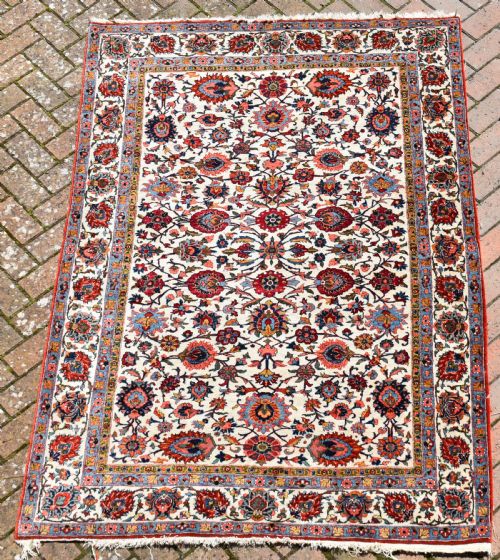
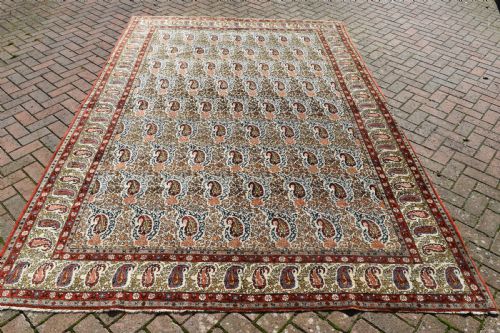
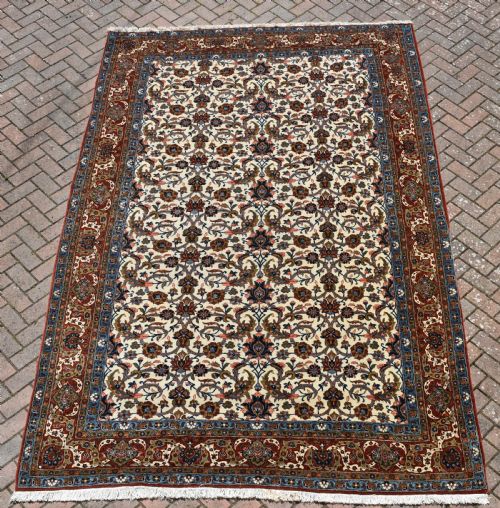
When you search for a persian qum rug, you are looking at fine floor coverings originating from central Persia. These pieces include both smaller rugs and roomsize carpets dating from the early decades of the twentieth century.
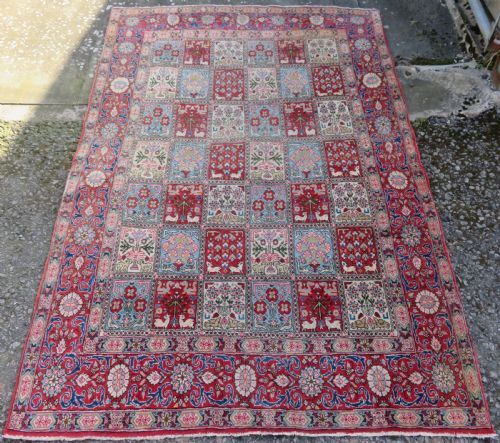
The versions you are most likely to meet on this page span from nineteen ten to nineteen forty. They showcase traditional Persian designs, including tile patterns, executed with remarkable precision.
These floor coverings function both as practical domestic items and as sophisticated decorative elements. Their formats range from compact area rugs to substantial roomsize carpets.
How they were made
Weavers in central Persia employed traditional techniques to produce dense foundations and detailed surface patterns. The combination of durable cotton foundations with wool or silk pile ensured lasting structural integrity.
Some weavers incorporated geometric tile patterns into their carpets, effectively bringing miniature architectural stonework down to the floor.
What varies in quality
The distinction between standard examples and the finest pieces often rests upon the materials utilised and the density of the weave. Silk constructions and very fine weaves sit at the upper end of the scale.
Design clarity and the subtlety of the colour palette also differentiate the examples. Pieces displaying complex tile patterns and delicate chromatic balance command significant attention from discerning buyers.
The Persian Qum Rug Glossary
- Pile
- The upright yarn loops forming the soft surface of the rug. This layer determines the texture and visual depth of the pattern.
- Foundation
- The underlying structure of warp and weft threads that supports the pile. Cotton typically forms this sturdy base in these pieces.
- Warp
- The vertical threads stretched tightly on the loom before weaving begins. The fringe of the rug is usually a continuation of these structural threads.
- Weft
- The horizontal threads passed across the warp to secure each row of knots. Proper tension here ensures a flat and stable textile.
- Tile pattern
- A geometric arrangement resembling floor tiles often seen in central Persian weaving. This layout divides the field into distinct, decorated compartments.
Persian Qum Rug: Frequently Asked Questions
How do I clean a rug?
Professional specialist cleaning is essential for antique textiles constructed from delicate materials like silk and wool. Standard domestic cleaning methods can damage the fibres and alter the structure.
Regular gentle vacuuming without a beater bar helps remove surface dust. Keeping the piece out of direct sunlight prevents premature fading of the soft colours.
Where were they made?
These floor coverings originate from Qum, a major city located in central Persia. The workshops there developed a distinct reputation for refined weaving techniques.
Makers in this region drew upon traditional Persian design vocabulary. Their output includes both roomsize carpets and smaller area formats.
What materials are used?
The listings record cotton, wool, and silk as the primary components. Cotton commonly forms the supportive foundation, while wool and silk make up the soft surface pile.
Certain examples utilise pure silk for both foundation and pile. These all-silk pieces offer a notably fine weave and a soft tactile quality.
How old are these rugs?
The available pieces date from the early twentieth century, specifically spanning the decades between nineteen ten and nineteen forty. This period encompasses traditional craftsmanship from central Persian workshops.
Archival records show similar dating for previously sold examples. The recorded years reflect the era of production for each specific rug or carpet.