
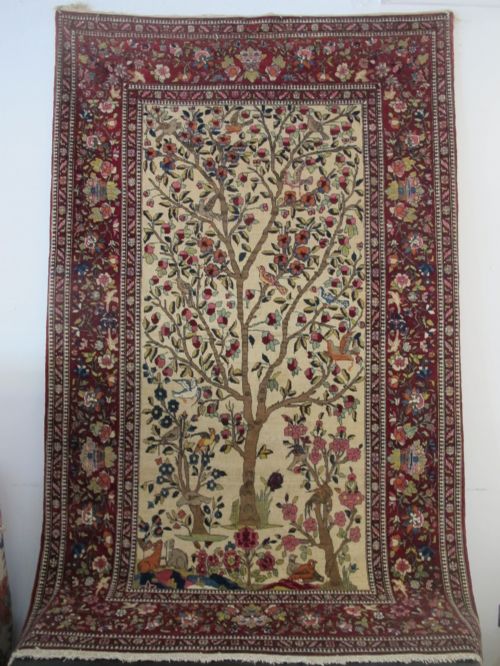


Red Bordered Carpet
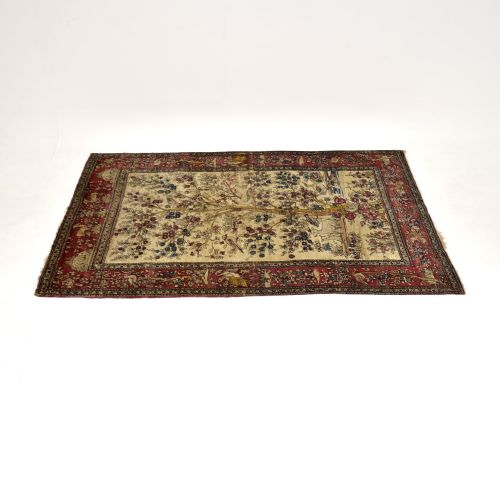
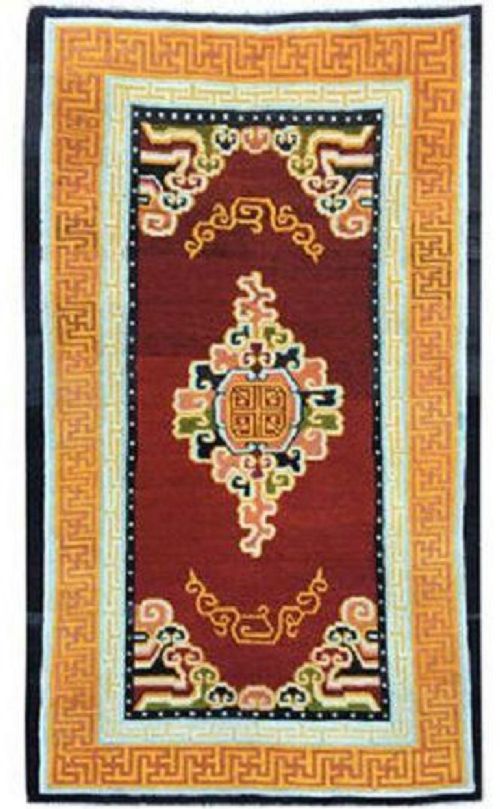
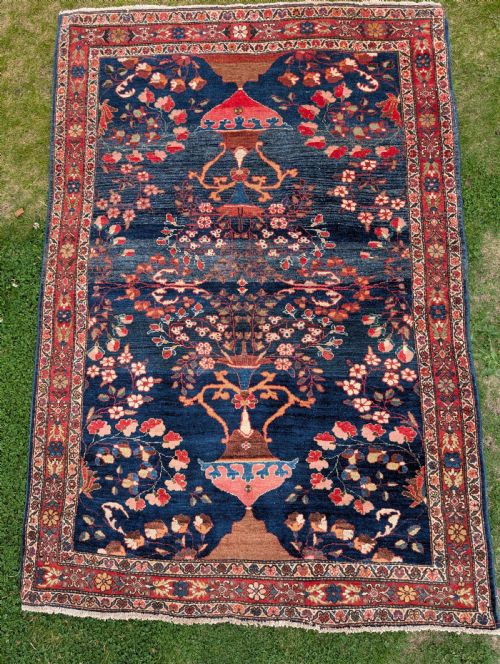
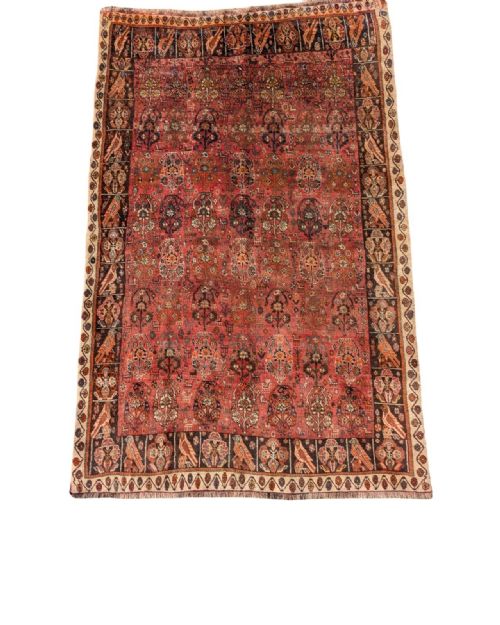
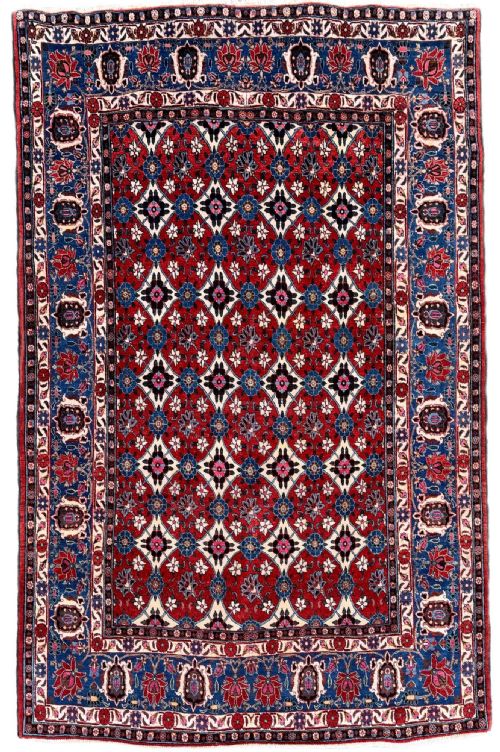
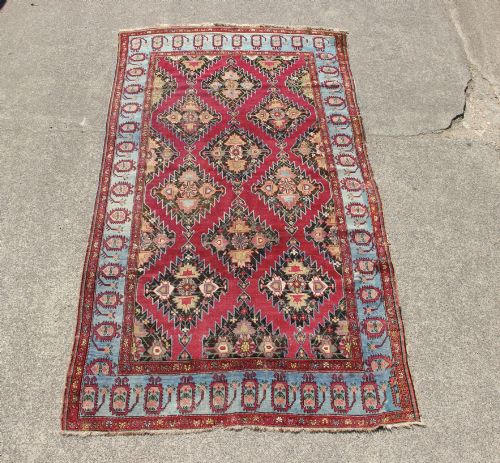
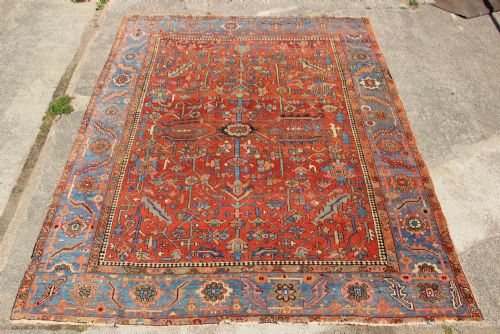
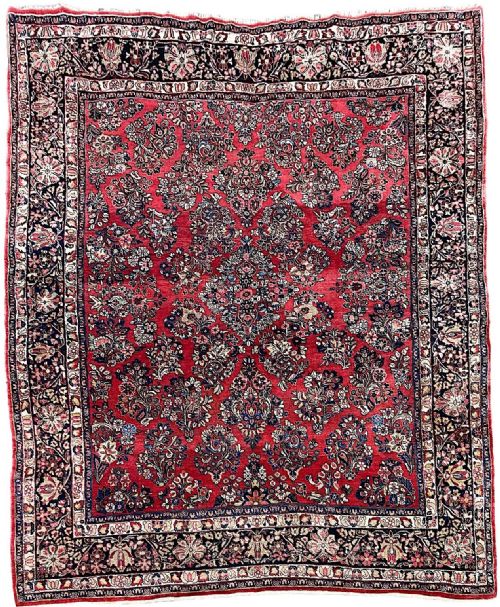
A red bordered carpet anchors a room with distinct framing, bringing Persian and regional weaves into focus through striking framing.
Red Bordered Carpet
A red bordered carpet search reveals large floor coverings, area rugs, runners, and saddle covers woven across Persia, the Caucasus, and Tibet.
The selections span from the mid nineteenth century into the early twentieth century, including Heriz, Kashan, Tabriz, and Ushak regional types.
Buyers encounter substantial room-size carpets alongside smaller rugs, all defined by prominent perimeter framing.
Materials and construction
Weavers utilised wool, hand-spun wool, angora wool, cotton, silk, and leather to build these floor coverings.
Pieces from this period employ traditional hand-weaving techniques across regional workshops and tribal camps.
Materials span wool, cotton, angora wool, leather, and silk across Persian, Caucasian, and Tibetan styles.
Judging the weave
Material selection dictates the handle and durability, distinguishing hand-spun wool foundations from later commercial cotton structures.
The crispness of drawing within the border and field design separates standard regional production from finer workshop output.
Ahmadi Isfahan·Kizil Ayak Mosque·Shekarlu Tribe
The Red Bordered Carpet Glossary
- Border
- The outer decorative band framing the central field of the carpet. It defines the edge and contains secondary motifs.
- Field
- The main central background area enclosed by the border. This space displays the primary medallion or repeating pattern.
- Runner
- A long, narrow carpet format suited for hallways and passages. These pieces feature elongated fields and scaled borders.
- Remnant
- A surviving fragment of a larger historical carpet. These sections preserve significant portions of older weaving.
Red Bordered Carpet: Frequently Asked Questions
How do I style a large carpet?
Position the piece centrally in a principal room to allow the framing borders to create a defined perimeter for furniture placement.
Ensure adequate clearance around the edges so the patterned borders remain visible rather than hidden beneath heavy cabinets.
Where were these rugs made?
Origins span traditional centres in Persia, Caucasian districts, and Tibetan workshops.
Specific regional styles include Heriz, Tabriz, Ushak, and Kashan productions.
What materials are used?
Construction relies primarily on wool, hand-spun wool, cotton, and occasional silk or angora additions.
Foundations and pile heights vary according to the specific tribal or workshop origin.
How do I date an old carpet?
Dating relies on examining the specific dye palette, structural materials, and regional weaving characteristics.
Pieces seen here range from the mid nineteenth century through the early twentieth century.