


Red and Navy Oriental Rug
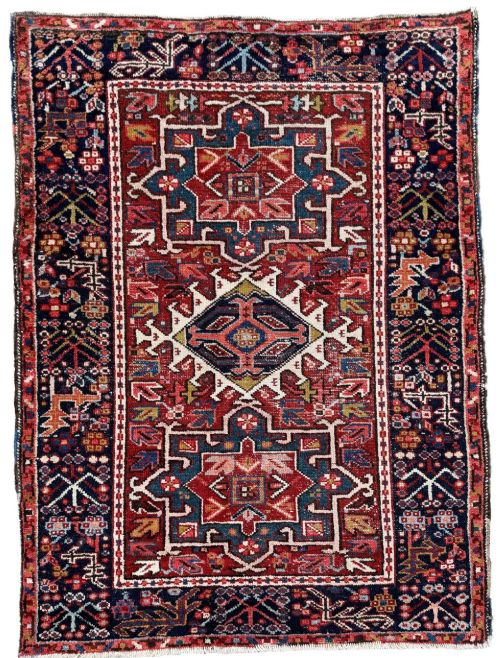
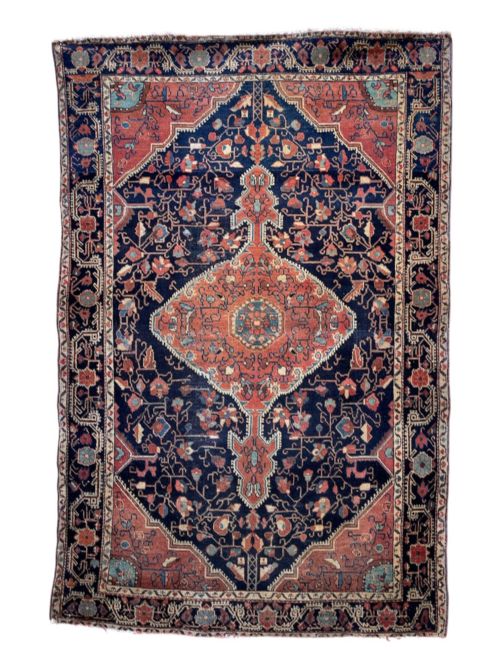
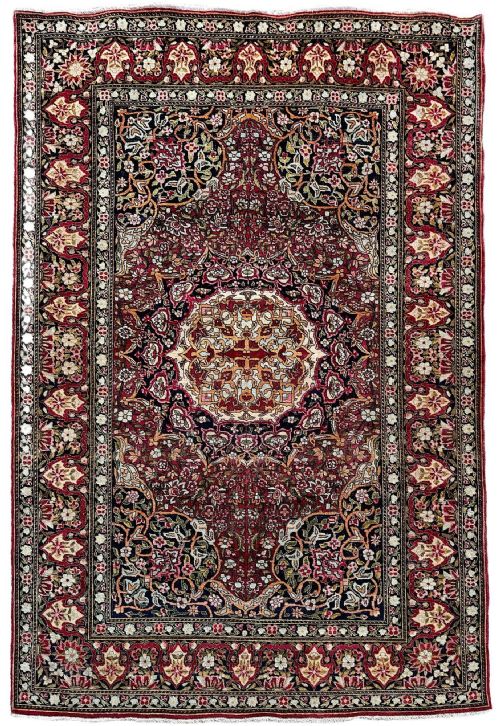
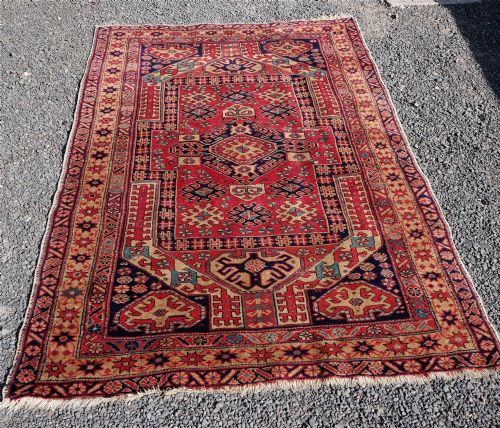
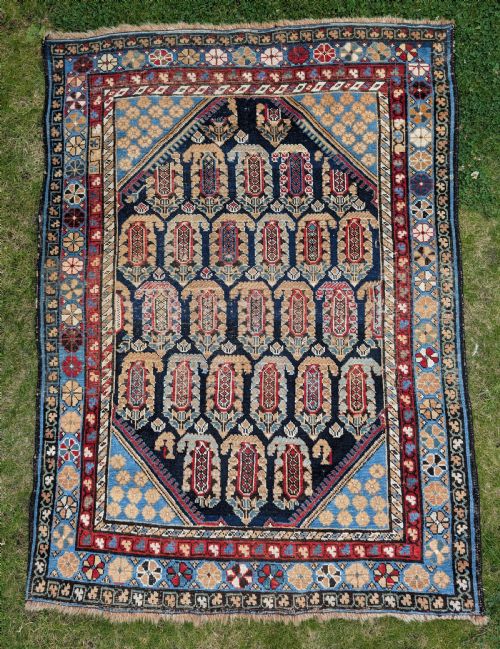
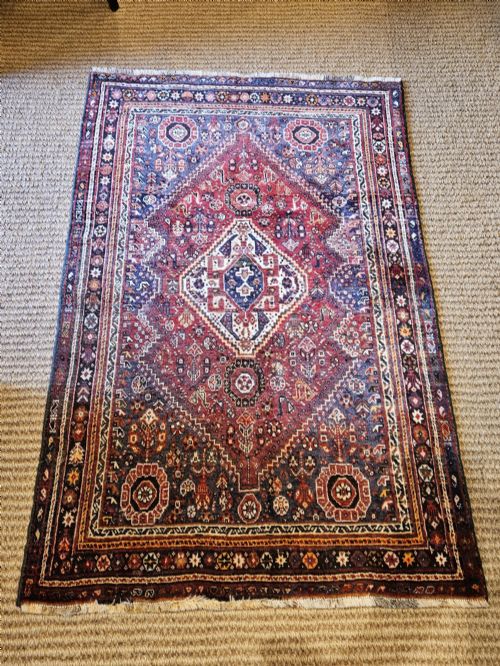
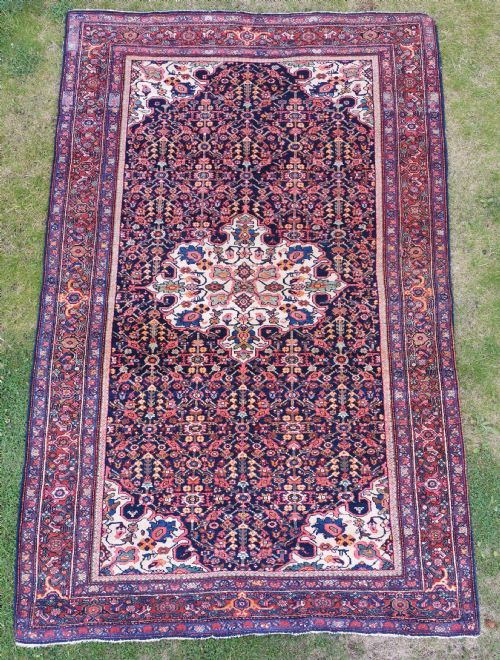
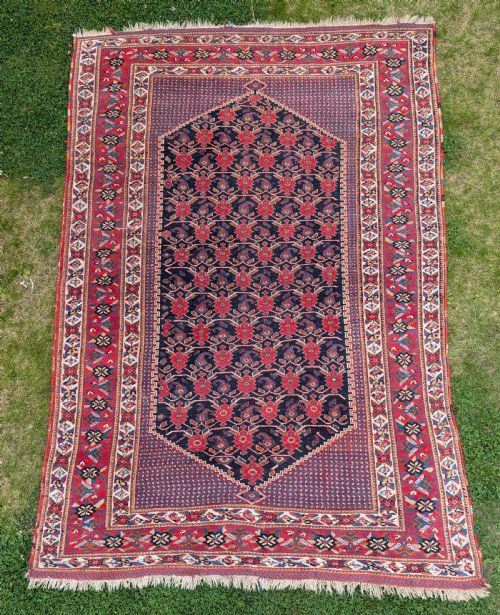
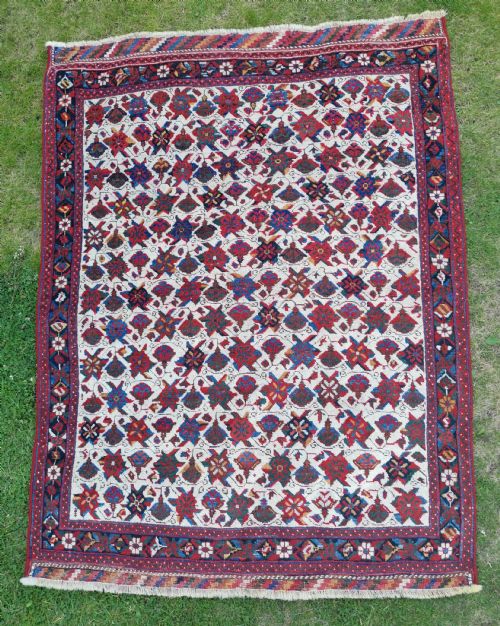
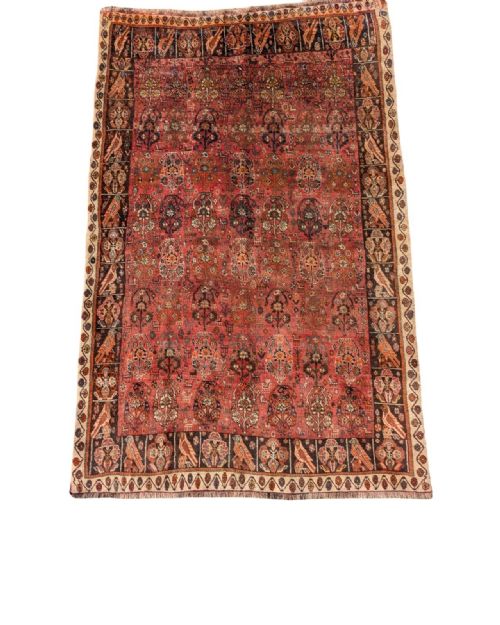
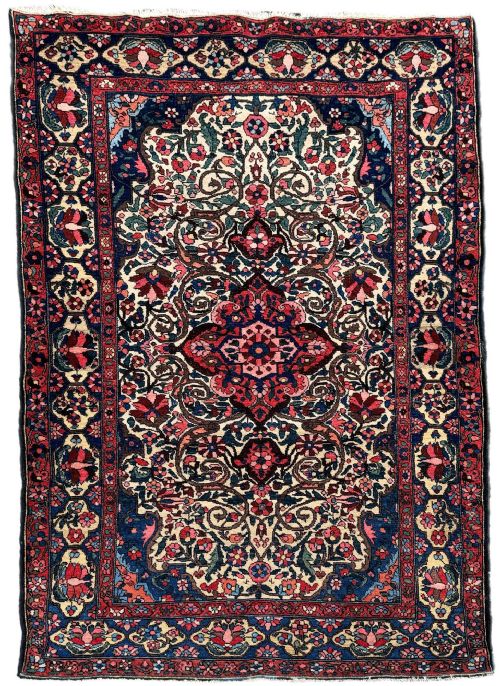
A red and navy oriental rug anchors a room with deep indigo tones and striking crimson dyes found in hand-knotted wool floor coverings.
Red and Navy Oriental Rug
A red and navy oriental rug comprises hand-knotted floor coverings originating from traditional weaving regions across Persia and the Caucasus. These textiles take the form of area rugs, large carpets, long hallway runners, and occasional cushion covers adapted from saddle bags.
The selections span distinct tribal and village workshops, including Heriz, Afshar, Bakhtiar, Karaja, and Baluch styles. Pieces date from the mid-nineteenth century through the early decades of the twentieth century, bringing historic patterns into domestic spaces.
Materials and construction
Makers utilised natural wool for the pile, hand-knotting the soft fibres onto sturdy cotton or wool foundations. Silk also appears in specific woven examples to highlight intricate details within the design.
Dyers employed natural substances to achieve the characteristic deep navy blues and rich reds. Skilled artisans bound the edges securely by hand and finished the ends with flatweave kelim strips.
Nomadic weavers occasionally incorporated wandering livestock and tiny protective amulets directly into the geometric fields of their carpets.
Variations in quality
Knot density and the precision of the geometric or floral medallion design dictate the fineness of the weaving. Higher quality examples demonstrate deliberate execution by the weaver, resulting in crisp pattern definition across the surface.
The handling of natural dyes creates subtle tonal shifts known as abrash, which add visual depth. Superior wool selection ensures resilient pile preservation over decades of use.
The Red and Navy Oriental Rug Glossary
- Abrash
- Natural variations of colour within a single field of dye, caused by different dye batches or changes in wool batches during weaving. This tonal shading is prized for adding authentic character.
- Medallion
- A large central ornamental design motif placed in the middle of the rug field. It often takes a geometric or floral shape.
- Kelim
- A flatweave textile structure used for the ends of rugs or produced independently without a pile. It provides a clean terminal finish.
- Mihrab
- An arched design element representing a prayer niche, frequently seen in directional prayer rugs. It guides the orientation of the textile.
Red and Navy Oriental Rug: Frequently Asked Questions
How do I place a long runner in a hallway?
Position narrow runners along high-traffic corridors, leaving an even border of bare flooring exposed on all sides. This creates a welcoming pathway while protecting underlying floorboards.
Ensure the rug lies flat without bunching under doors. A suitable underlay helps keep the piece stable in busy thoroughfares.
Where should I place an area rug?
Place medium-sized rugs beneath the front legs of seating furniture in a living room to anchor the layout. This arrangement unifies the seating group.
Dining spaces accommodate larger formats where chairs remain on the textile when pulled out. Low foot traffic areas preserve the pile over time.
How do I identify a tribal rug?
Look for bold geometric motifs, asymmetrical details, and repeating tribal symbols woven from memory rather than strict architectural cartons. These patterns reflect the heritage of specific weaving groups.
The colour palettes often rely on saturated reds, navy blues, and earthy tones derived from regional plants and minerals.
How do I care for antique wool rugs?
Vacuum gently with a suction-only attachment across the surface, avoiding the whipped edges and fringed ends. Regular light cleaning prevents dust accumulation within the foundation.
Rotate the rug periodically to ensure even exposure to foot traffic and sunlight. Professional cleaning is recommended for deep maintenance.