






Vintage Oriental Floor Runner
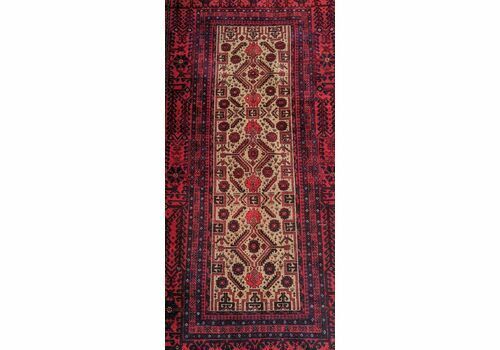
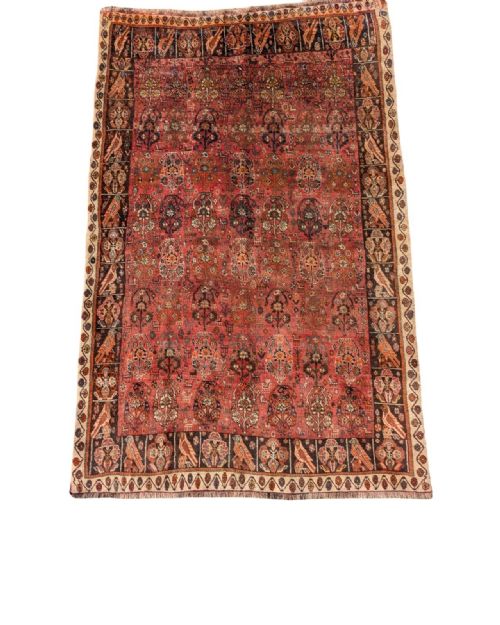
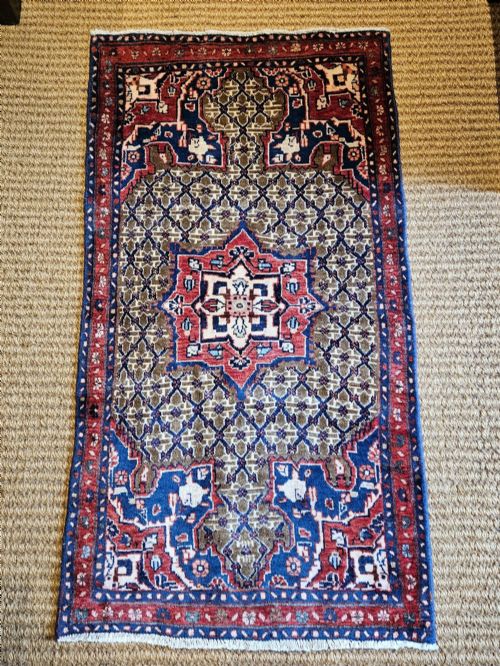
A vintage oriental floor runner brings warmth and pattern to a long corridor, drawing the eye along hallway boards.
Vintage Oriental Floor Runner
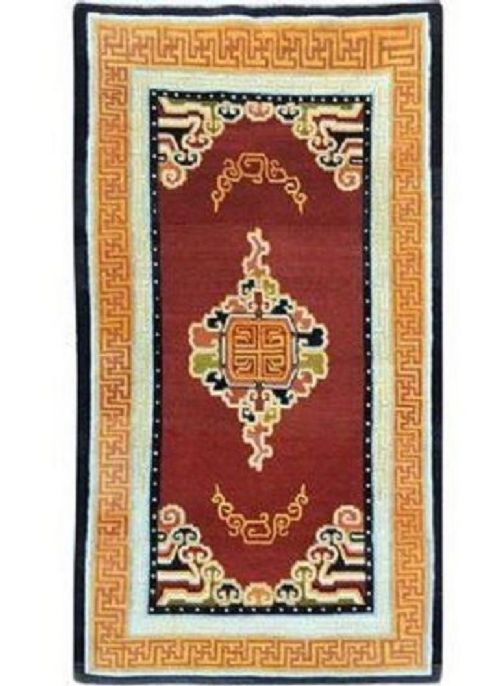
A vintage oriental floor runner is a narrow, elongated textile designed for hallways, landings and gallery spaces. Buyers searching for this phrase encounter long formats originating from Persia, the Caucasus, Turkmenistan, Tibet and India.
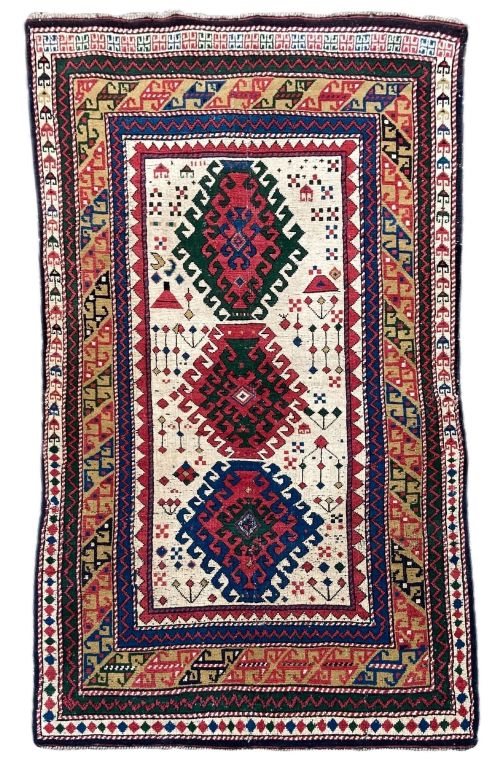
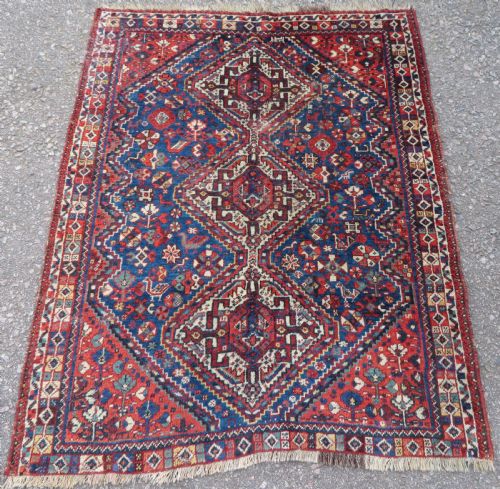
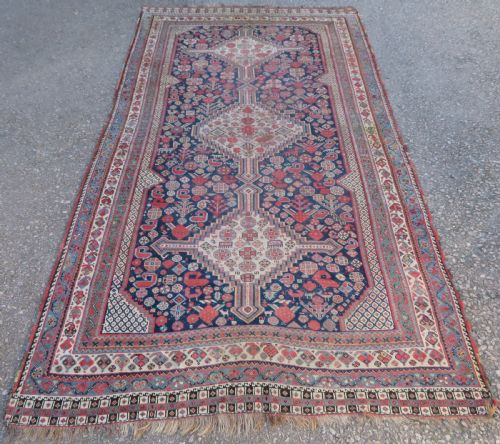
The pieces on this page span the Victorian era through the early decades of the twentieth century. They appear in traditional Persian styles, tribal patterns and Caucasian village designs, offering distinct geometry and floral motifs.
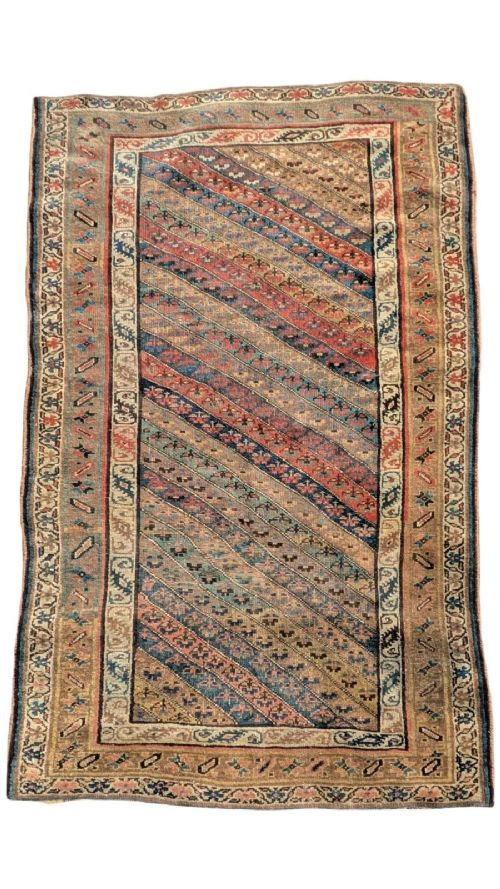
Forms range from specific hallway runners to long carpets and village rugs selected for narrow spaces. Each runner shows the hand of individual weavers working within regional traditions.
Materials and construction methods
These floor coverings utilise natural fibres, principally wool, cotton and silk. Wool provides durability for high-traffic hallways, while cotton frequently forms the sturdy foundation warps and wefts.
Weavers knotted or wove these textiles by hand, employing traditional techniques passed down through generations. Natural dye palettes create the varied background tones seen across Persian and Caucasian examples.
Listings span the late Victorian period through the nineteen-thirties, featuring wool, cotton and silk textiles from Persian and Caucasian regions.
Factors influencing quality
The density of the knotting and the fineness of the wool dictate the longevity and crispness of the design. Tighter foundations allow intricate geometric motifs and floral vases to remain distinct over decades of foot traffic.
Coherence of the natural dye palette and the integrity of the original borders separate standard village weaving from exceptional tribal and city workshop production.
Saroukh Mahal·Kashan·Tabriz·Bakhtiar·Ushak
The Vintage Oriental Floor Runner Glossary
- Runner
- A long, narrow carpet format specifically proportioned for corridors, hallways and stairs. This shape guides movement through domestic spaces.
- Warp
- The vertical foundation threads stretched lengthwise on the loom before weaving begins. Weft threads pass horizontally through these structural cords.
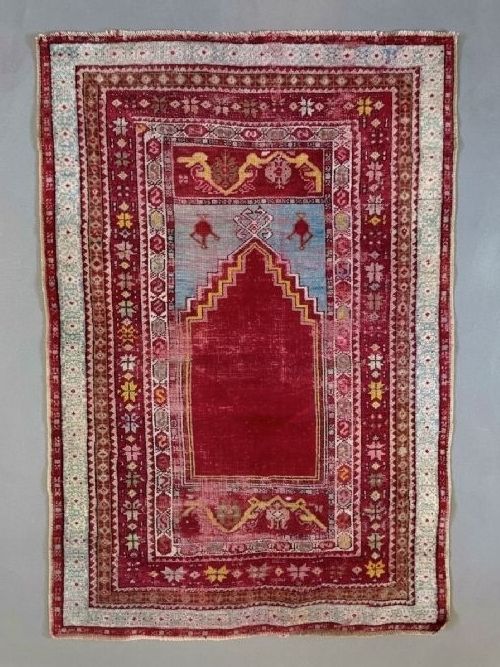
- Prayer rug
- A small carpet featuring a mihrab or arch design indicating the direction of prayer. These pieces often hang on walls or serve as focused floor accents.
- Tribal rug
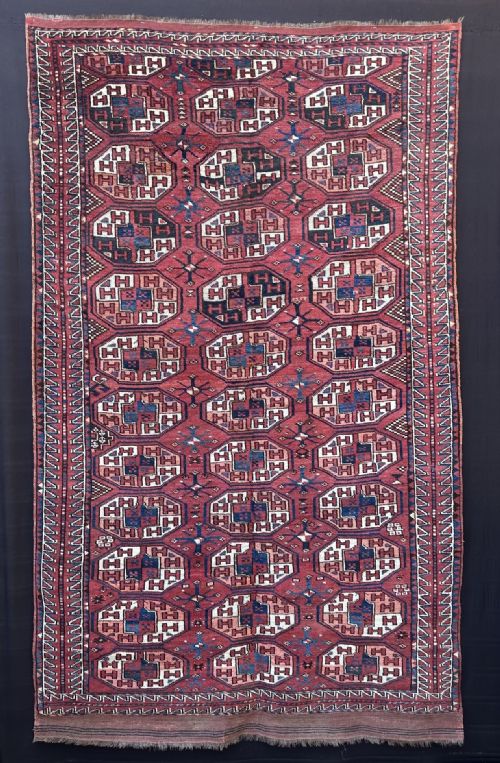
- A textile produced by nomadic or village groups relying on memory patterns rather than printed cartoons. These designs emphasise geometric medallions and local symbolism.
Vintage Oriental Floor Runner: Frequently Asked Questions
Where should I place a runner in my home?
Runners suit narrow spaces such as hallways, corridors, entryways and galley kitchens. Their elongated format bridges rooms while protecting wooden or tiled floors.
Ensure you measure the clear floor space between skirting boards or furniture before selecting a length.
How do I maintain an old wool runner?
Regular gentle vacuuming without a rotating brush roll removes grit from the pile base. Rotate the piece periodically to distribute wear evenly across high-traffic zones.
Professional specialist cleaning preserves the natural lanolin in the wool fibres.
How can I date a textile from this period?
Dating relies on stylistic analysis, structural examination of the foundation, and dye analysis. Natural dyes and hand-spun wool generally point towards pieces produced before the mid-twentieth century.
Regional variations in knot count and border motifs further narrow down the era of production.