






Red and Blue Pottery
Red and blue pottery brings together rich cobalt pigments and vibrant iron-red glazes on porcelain and earthenware forms.
Red and Blue Pottery
When you search for red and blue pottery, you encounter a diverse group of glazed ceramic items spanning multiple centuries and continents. The selection includes Chinese export porcelains, British earthenware, and Japanese Imari wares produced for domestic and international markets.
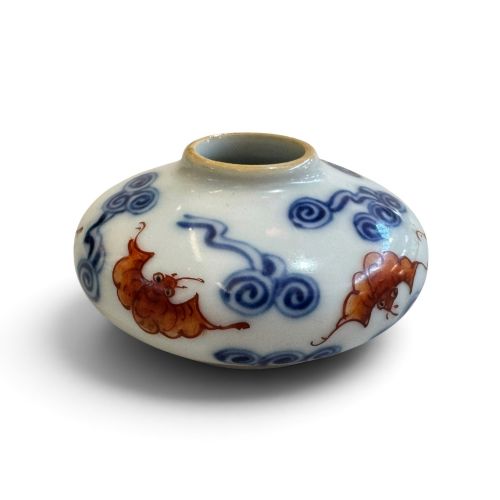
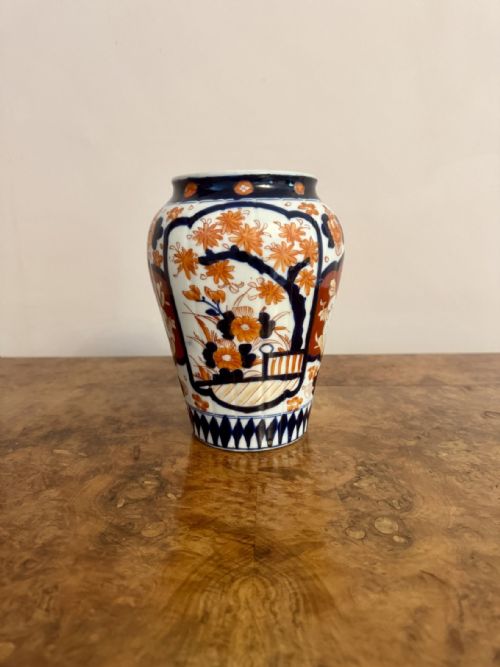
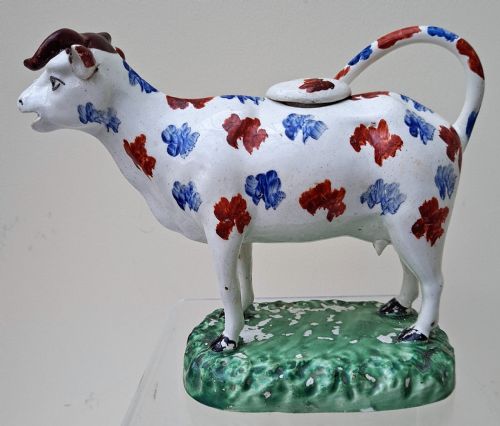
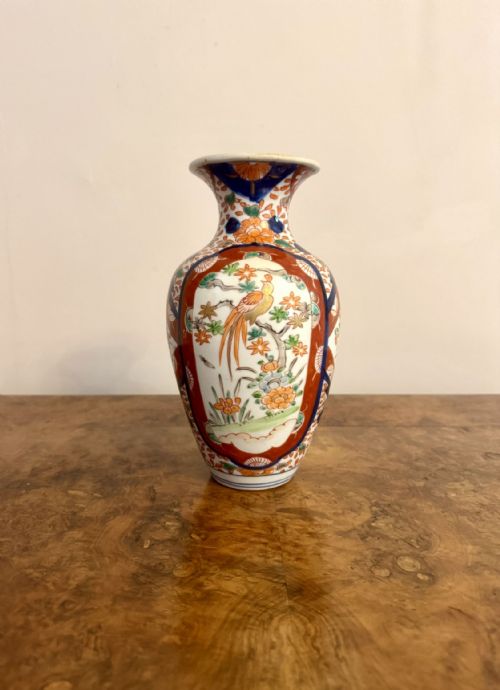
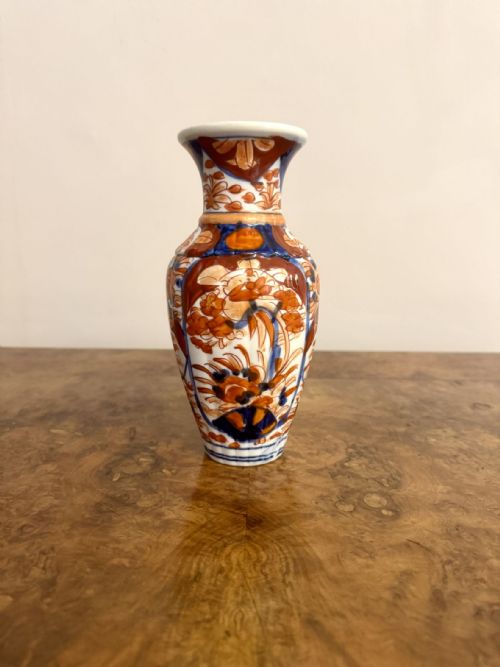
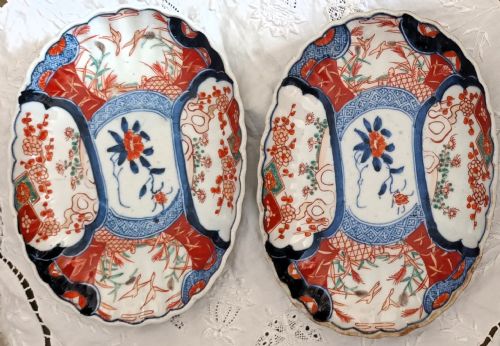
You are most likely to meet Japanese Imari pieces from the Meiji period on this page, alongside Staffordshire plates, Chinese jars, and Welsh creamers. These objects take the form of vases, dishes, chargers, and small scholar's objects intended for display or daily utility.
Materials and production methods
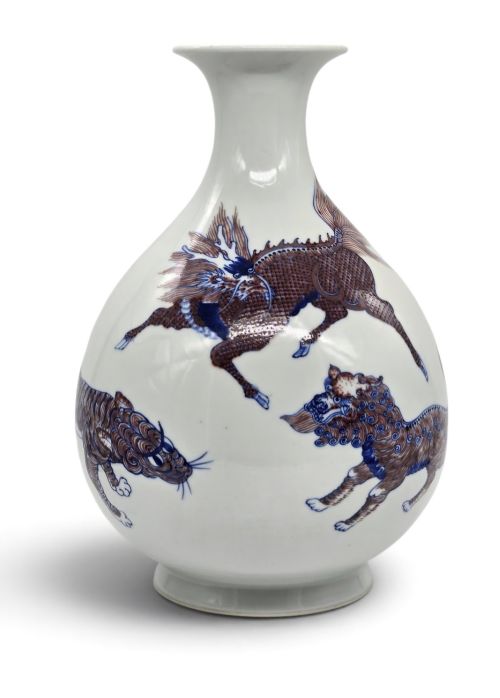
Potters utilised hard-paste porcelain and earthenware bodies, shaping them on the wheel or pressing them into moulds. Artisans applied cobalt blue pigments under the glaze before high-temperature firing, followed by iron-red enamel and gold leaf applied over the glaze for a second, lower-temperature fix.
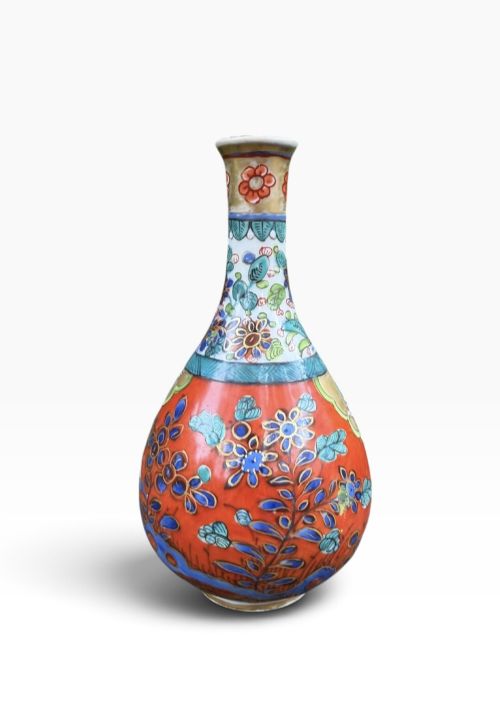
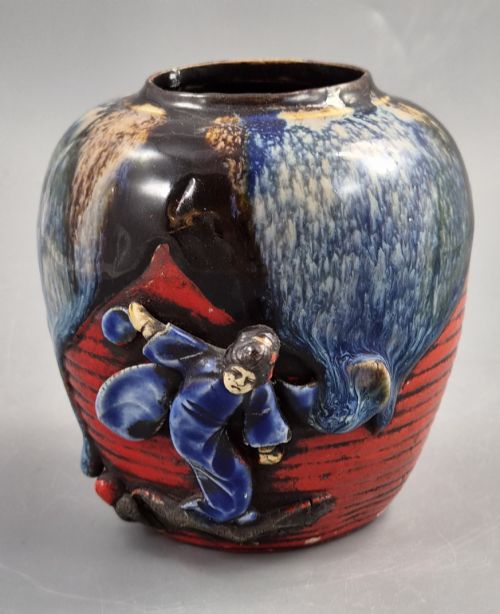
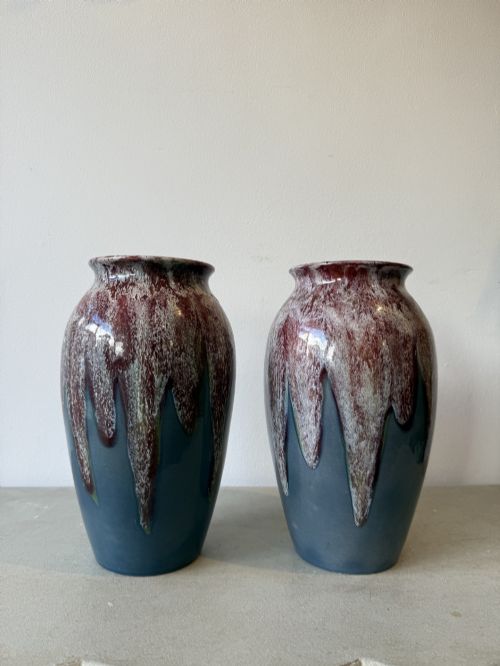
Specialised techniques such as clobbering involved adding red and gold overglaze decoration to older imported blue and white Chinese porcelain. Japanese makers also employed flambé glazes and applied figurative elements modelled separately and attached before firing.
Red and Blue Pottery Retail Price Guide 2026
Typical asking prices for red and blue pottery among the pieces listed under this phrase on Sellingantiques today, from the lower quarter to the upper quarter. They describe what is for sale here now, not the wider market.
Assessing craftsmanship and execution
The distinction between ordinary and superior pieces rests upon the precision of the brushwork and the complexity of the palette. Finer examples display crisp underglaze cobalt lines paired with sharply delineated iron-red enamels and intact gilding.
Form and proportion dictate the standing of a ceramic piece, particularly in larger vases and chargers where symmetry is harder to maintain in the kiln. Greater artistic intent appears in modelled figures and hand-painted motifs rather than mass-produced transfer-printed patterns.
Royal Crown Derby·Mintons·Masons
The Red and Blue Pottery Glossary
- Imari
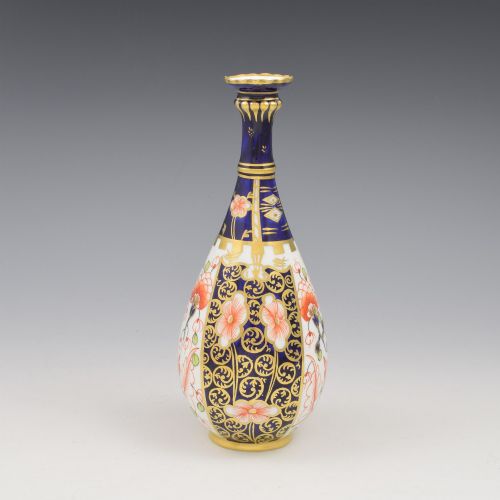
- A style of Japanese porcelain featuring a distinctive palette of underglaze blue, iron-red, and gilt. It originated in Arita and was exported extensively through the port of Imari.
- Clobbering
- The practice of adding new enamel colours, often red and gold, to older blue and white porcelain. This technique altered imported wares to suit European tastes.
- Underglaze
- Pigment applied directly to the raw ceramic body before the application of a vitreous glaze and subsequent firing. This method protects the colour beneath a glossy protective layer.
- Enamel
- Coloured glass paste applied over a fired and glazed ceramic surface, requiring a second, cooler kiln firing to fix it. It provides the bright red and green tones seen on many traditional vessels.
- Flambé glaze
- A streaked or mottled glaze achieved by controlling kiln atmosphere and metal oxide reactions during firing. It produces variegated red and blue surface patterns.
Red and Blue Pottery: Frequently Asked Questions
How do I identify Imari pottery?
Imari wares are recognised by their characteristic palette combining deep underglaze cobalt blue with iron-red enamel and gold highlights. They often feature dense floral, geometric, or bird motifs.
Most pieces date from the Meiji period or earlier eighteenth century, typically rendered on porcelain dishes, bowls, and large baluster vases.
What is clobbered porcelain?
Clobbered porcelain refers to older blue and white vessels that received secondary overglaze decoration in Europe or Asia. Artisans added red enamel and gilt to enhance or update existing designs.
This alteration creates a heavier, more colourful surface texture distinct from standard factory-painted ceramics.
Are these items safe for daily use?
Most antique pots and decorative plates function best as display items rather than everyday tableware. Older glazes and overglaze enamel decorations can wear away or contain materials unsuited for modern food consumption.
Use vessels like creamers and inkwells purely for decorative placement or dry storage around the home.