




Queen Anne Style Bedsides
Queen Anne style bedsides bring proportion and warm timber grain to a room, offering practical bedside storage with distinct period character.
Queen Anne Style Bedsides
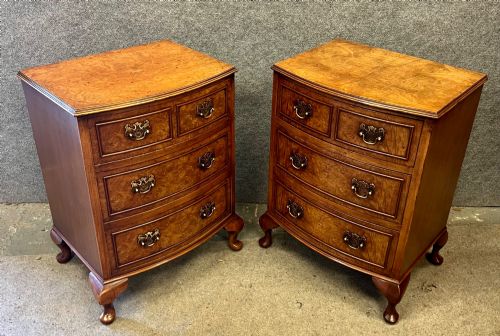
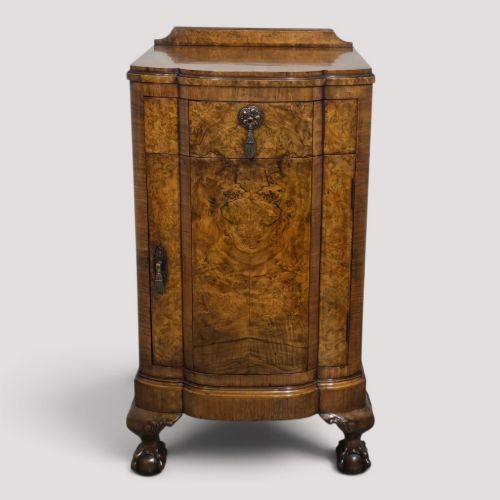
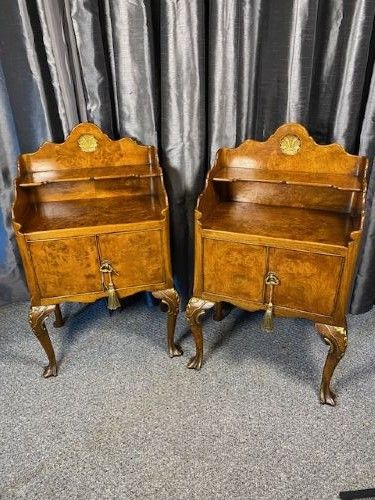
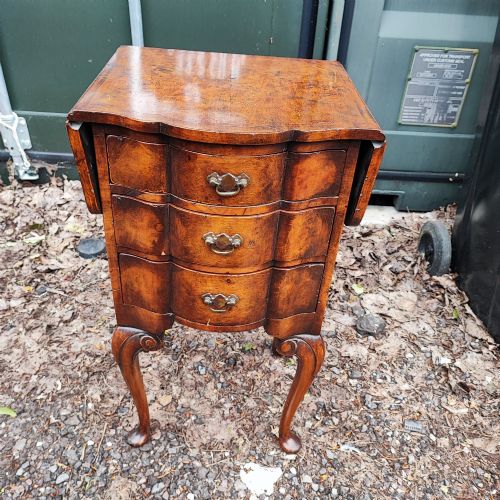
Queen Anne style bedsides combine compact proportions with rich timber surfaces, serving as practical bedside tables or small chests. When searching for queen anne style bedsides, buyers encounter pieces primarily originating from the early twentieth century, including the Edwardian period and the nineteen-twenties and thirties.
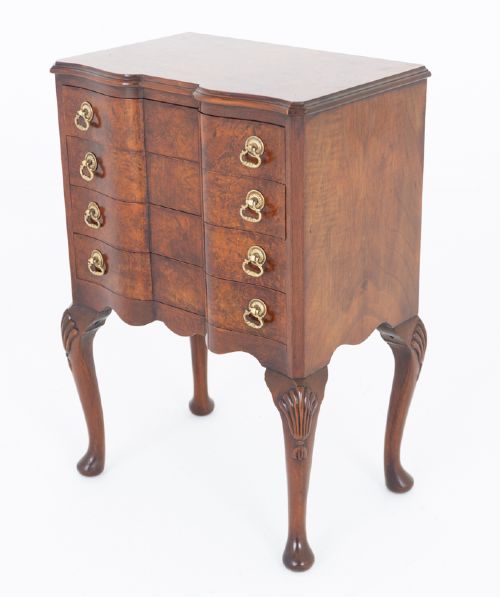
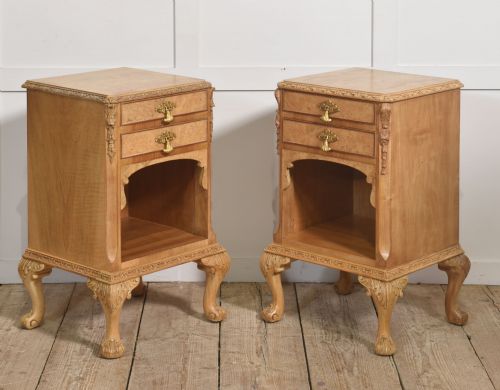
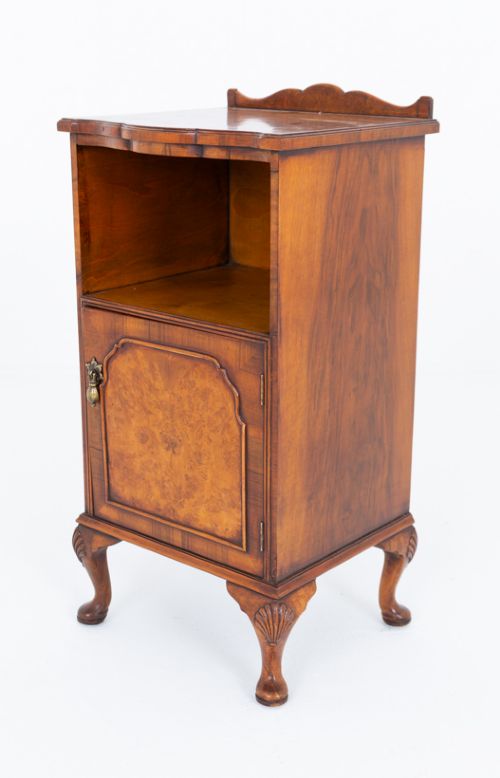
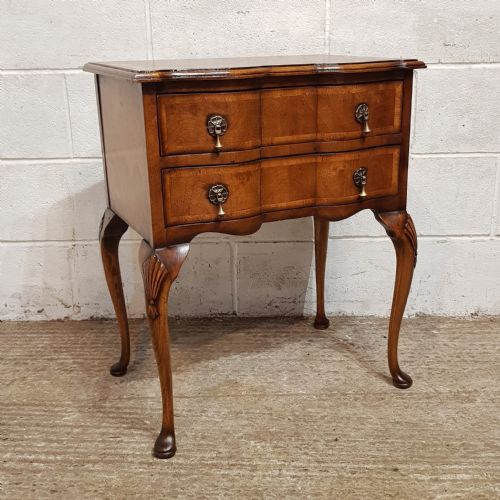
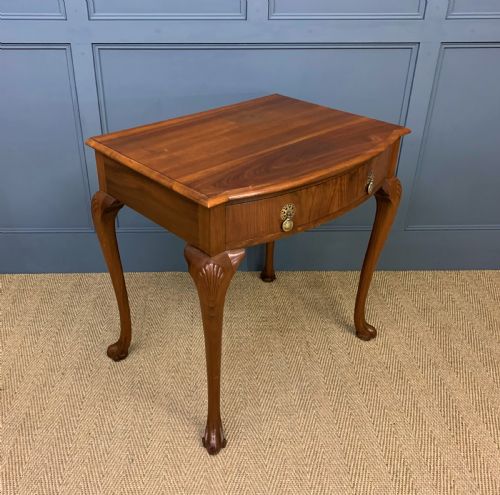
Surviving examples span simple single cabinets to matched pairs featuring serpentine fronts or concave profiles. These variations provide adaptable storage options while maintaining the characteristic silhouette associated with the style.
How they were made
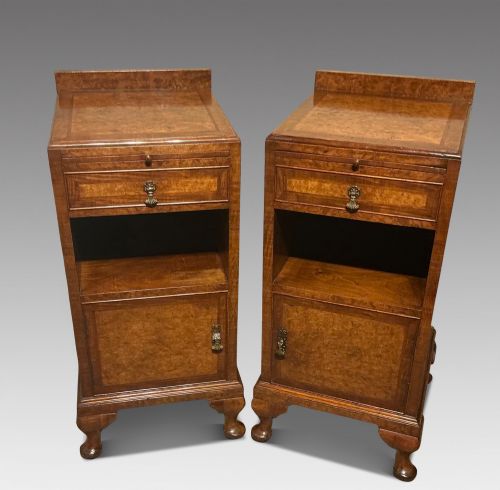
Cabinet makers utilised solid woods like walnut and mahogany as foundational structures, applying burr walnut veneer to visible surfaces to create rich, figured grain patterns. Brass hardware frequently complemented the dark timber, appearing on pulls and handles.
Construction techniques balanced traditional cabinet-making methods with early twentieth-century production standards, resulting in sturdy joints and fitted drawers. Lacquer and painted finishes also appear on specific Oriental style variants, diversifying the decorative surface treatments.
Listings span the Edwardian period, the nineteen-tens, twenties, and thirties, alongside nineteenth-century examples.
What varies in quality
The distinction between standard and superior pieces rests largely on the selection of timber veneers and the precision of the cabinet work. Burr walnut sections with deep, symmetrical figuring elevate a piece above plain timber alternatives.
Proportion and execution of characteristic details, such as shaped aprons and curved fronts, determine the visual success of the revival design. Finer examples display meticulous attention to edge profiles and balanced grain matching across drawer fronts.
Whytock & Reid
The Queen Anne Style Bedsides Glossary
- Burr walnut
- A veneer sliced from walnut tree growths, prized for its swirling, intricate grain patterns. It provides a highly decorative surface on cabinet fronts and tabletops.
- Serpentine front
- A furniture front curving outward at the centre and inward at the sides in a gentle S-shape. This contour adds visual depth and requires skilled carpentry to execute.
- Lowboy
- A small table with drawers, typically standing on four tall legs. It originated in the eighteenth century and serves as an occasional or side table in modern interiors.
- Chinoiserie
- European artistic style reflecting Chinese motifs and techniques, often applied through lacquer work and painted decoration. It appears on select nineteenth-century occasional pieces.
- Bowfront
- A convex front curved in the shape of a bow. This form softens the corners of bedside cabinets and chests.
Queen Anne Style Bedsides: Frequently Asked Questions
How do I date queen anne style bedsides?
Dating relies on timber selection, construction methods, and stylistic cues present in the piece. Revival furniture from the early twentieth century often employs modern internal hardware alongside traditional veneering.
Examining the drawer construction and secondary woods helps distinguish Edwardian and nineteen-twenties production from earlier antique originals.
Are these bedsides sold in pairs?
Many listings feature matching pairs of bedside cabinets or lamp tables, which originated together in twentieth-century bedroom suites. These matched sets offer symmetry on either side of a bed.
Single cabinets also appear frequently, functioning as standalone lamp tables or occasional pieces in smaller spaces.
What is burr walnut?
Burr walnut is a specialised wood veneer harvested from the knot or burl of a walnut tree. The resulting timber exhibits dense, swirling grain patterns that catch the light.
Cabinet makers used this veneer to create striking focal points on the top surfaces and drawer fronts of revival furniture.
How do I care for walnut furniture?
Walnut surfaces benefit from dusting with a soft, dry cloth and protection from direct sunlight and excessive heat. Avoiding chemical polishes preserves the original finish and timber integrity.
Applying a traditional beeswax occasionally helps maintain the moisture and natural lustre of the wood.