




Queen Anne Reading Chair
A queen anne reading chair provides deep upholstered comfort, enclosing the sitter against draughts with its distinctive wings.
Queen Anne Reading Chair
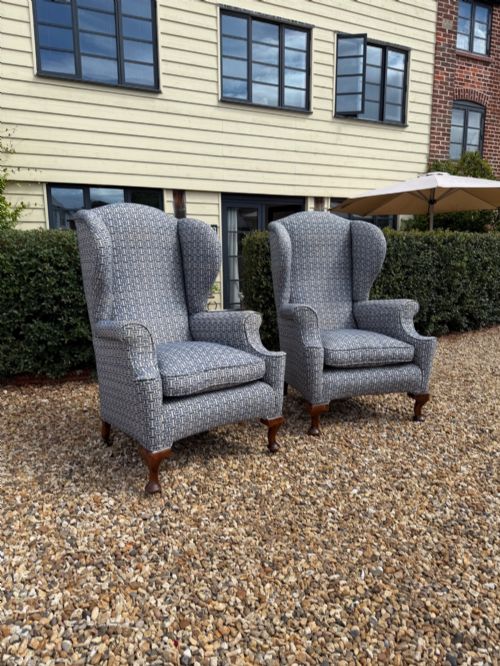
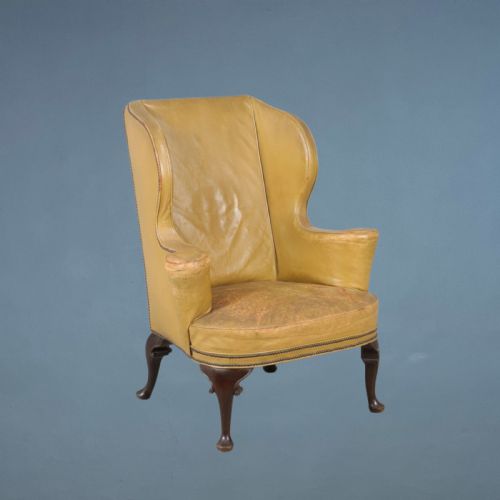
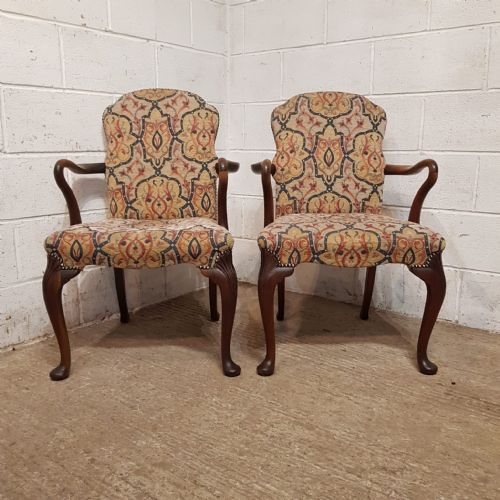
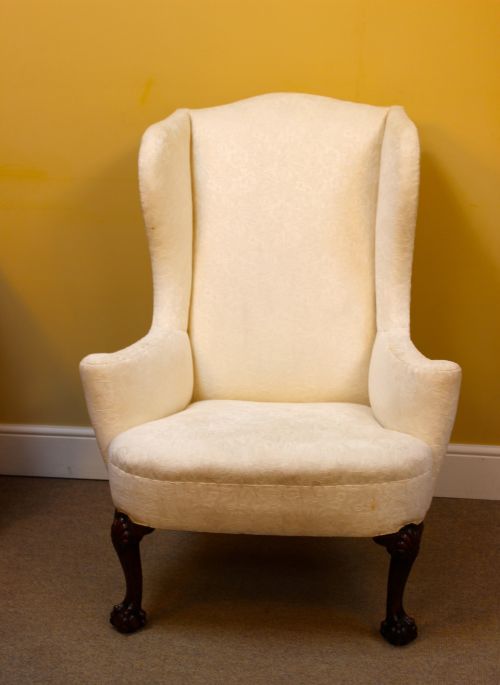
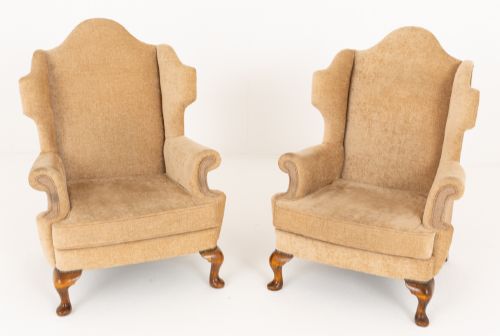
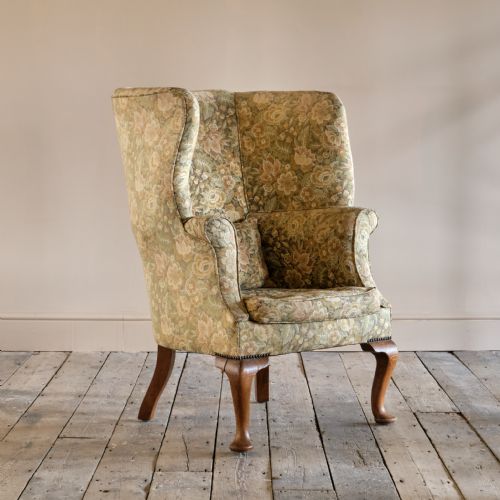
A queen anne reading chair is a high-backed upholstered armchair designed to keep draughts away from the head and shoulders. The form encompasses traditional wing chairs, library chairs, and barrel-backed seating designed for relaxed study or fireside repose. These pieces span centuries of production, appearing in authentic 18th-century forms alongside 19th-century interpretations and later revival styles. On this page, walnut and mahogany frames dominate, often shaped in the distinct Queen Anne or Georgian revival manner.
Materials and construction methods
Frames rely principally on hardwoods such as walnut and mahogany, providing structural integrity to support deep upholstery and heavy use. Woodworkers shaped these timbers to form cabriole legs, scroll arms, and the supportive interior framework required for a high back. Brass details occasionally appear as structural or decorative elements on castors and tacking.
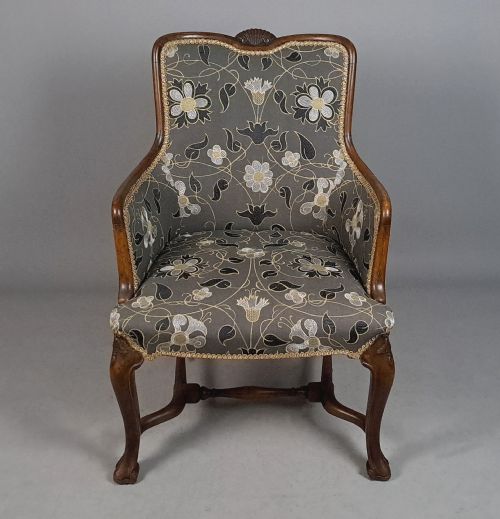
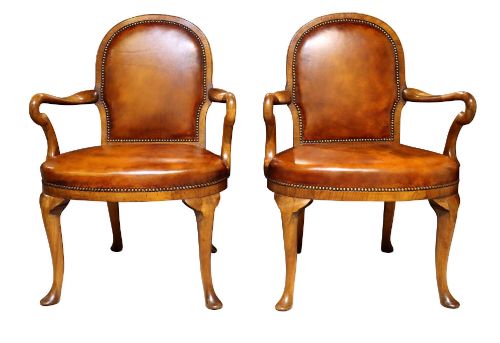
Upholstery techniques dictate the character of each piece, utilising traditional stuffing secured within fabric, textile, or hand-coloured leather. Craftsmen fastened coverings using decorative brass nails, creating a secure edge along the wings and arms. The combination of dense hardwood frames and layered upholstery defines the durable construction of these armchairs.
Distinctions in craftsmanship and form
The sophistication of the woodwork sets individual examples apart, particularly in the carving of walnut or mahogany cabriole legs. Well-executed frames display fluent curves and careful joinery that integrate the wings smoothly into the backrest. Lesser examples show simpler, heavier lines with less attention paid to the proportional balance of the frame.
The choice of covering material and the execution of the upholstery substantially influence the character of the chair. Pieces upholstered in hand-coloured leather or fine textiles require skilled labour to maintain proper tension and shape around complex curves. The integrity of the internal stuffing and the crispness of the exterior finishing mark the distinction between standard production and superior craftsmanship.
Whytock And Reid
The Queen Anne Reading Chair Glossary
- Wing chair
- An upholstered armchair with side panels attached to the back, designed to shield the sitter from draughts. This form evolved significantly during the 18th century and saw multiple revivals.
- Cabriole leg
- A furniture leg that curves out in a convex arc and tapers inward in a concave arc, ending in a pad or foot. This shape is characteristic of the Queen Anne and Georgian periods.
- Barrel back
- A seating form featuring a semicircular upholstered backrest that curves continuously around to form the arms. This design offers a particularly enclosed and supportive seat.
- Library chair
- A heavy upholstered armchair intended for prolonged reading or study, frequently framed in walnut or mahogany. These chairs often feature leather upholstery for durability.
- Revival style
- A design movement that reinterprets historical aesthetics, such as Queen Anne or Georgian styles, using the manufacturing methods of later centuries like the Victorian or Edwardian eras.
Queen Anne Reading Chair: Frequently Asked Questions
What is a queen anne reading chair?
A queen anne reading chair is a high-backed upholstered armchair featuring protective wings designed to block draughts. These chairs combine deep upholstery with a supportive wooden frame, often resting on cabriole legs.
The form prioritises comfort and seclusion, making it a traditional choice for studies, libraries, and firesides. Revival versions from the 19th and early 20th centuries frequently replicate these classic 18th-century proportions.
How do I date a wing armchair?
Dating relies on examining the timber species, leg profiles, and construction techniques used within the frame. Walnut and mahogany were favoured at different times, while revival periods often introduced machine-sawn components alongside traditional joinery.
Style indicators such as the shape of the cabriole leg or the height of the backrest help narrow the decade of manufacture. Comparing these elements with documented examples from the 18th, 19th, and early 20th centuries clarifies the age.
Were these chairs used only for reading?
While the high wings and enclosed seat were originally designed to trap heat from a fireplace and block draughts during reading, their comfort ensured wider domestic use. They served as primary seating in formal parlours, libraries, and private bedchambers.
Their substantial size made them status items in larger homes, where sitters could converse or rest away from cold stone walls. Today, they function similarly as statement armchairs in living spaces.
How should I care for leather upholstery?
Leather-upholstered reading chairs require regular dusting with a soft, dry cloth to prevent dirt from settling into the grain. Conditioning the hide periodically helps maintain flexibility and prevents the leather from drying out over time.
Keeping these chairs away from direct sunlight and strong heat sources protects the material from fading and cracking. Gentle maintenance preserves both hand-coloured finishes and vintage patinas.
Are these chairs comfortable for daily use?
These armchairs were built with deep padding and supportive high backs specifically intended for prolonged sitting. The enclosed wings provide natural head support when relaxing or reading for extended periods.
Many antique and vintage examples retain supportive internal webbing and springs, though some listed pieces require re-upholstery to restore their original comfort level.