


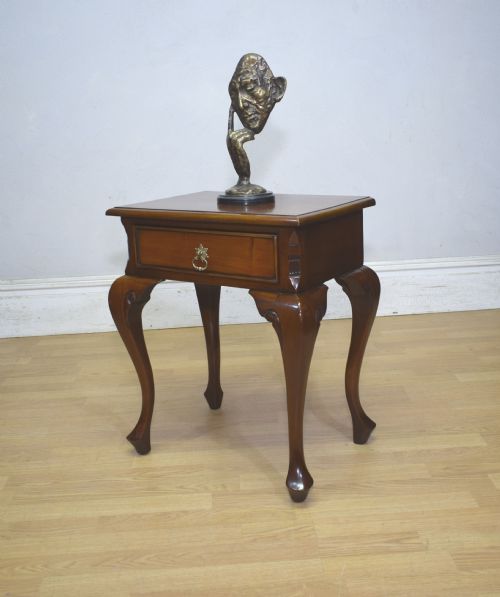
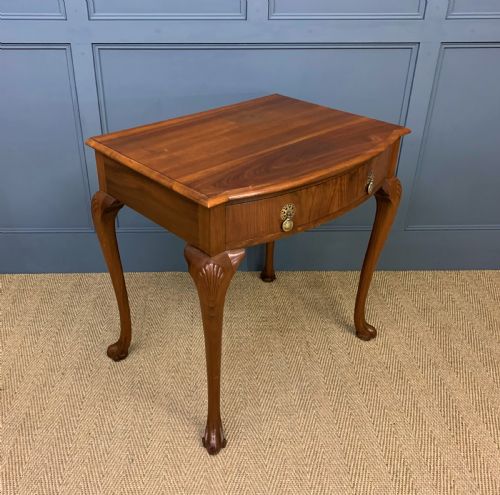


Queen Anne End Table
A queen anne end table brings proportion and rich timber grain to a room, functioning as a versatile surface for a lamp or small objects.
Queen Anne End Table
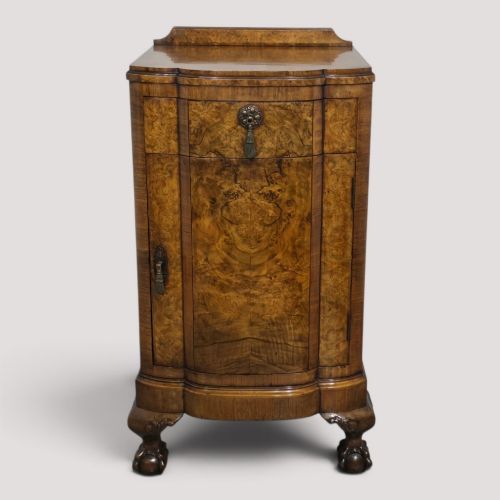
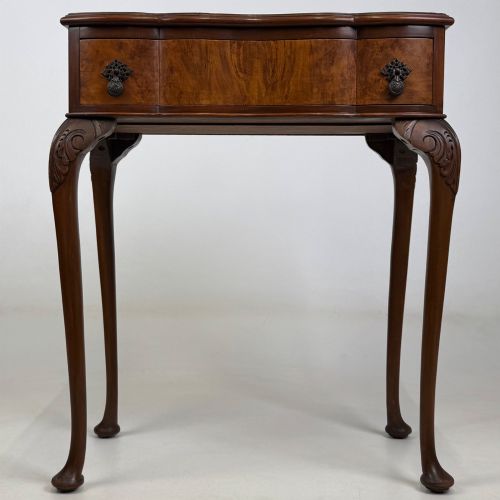
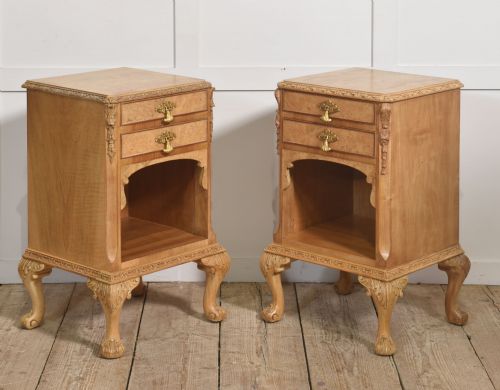
When you search for a queen anne end table, you encounter pieces that function as side tables, occasional tables, lamp tables, and bedside cabinets. These forms serve practical needs beside a seating group or a bed while introducing distinct period character to an interior.
You are most likely to meet 20th-century revivals alongside Georgian and 19th-century examples on this page. The listings draw heavily upon Edwardian production and pieces from the nineteen-twenties, frequently rendered in burr walnut or figured walnut veneer.
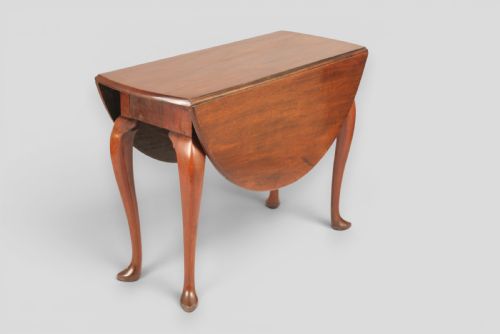
The selection extends beyond standard side surfaces to include drop-leaf tables, drop-flap tables, and nests of tables. Each configuration offers a specific utility, whether operating as a permanent bedside stand or a flexible occasional surface that folds away when not in use.
How they were made
Cabinet makers utilised choice timbers such as walnut, burr walnut, mahogany, and country oak to construct these frames. Artisans applied figured walnut veneer and gold leaf to enhance the decorative surface appearance of the wood.
Specialised techniques included the application of lacquer finishes on chinoiserie nests and the shaping of timber into drop-leaf and drop-flap mechanisms. Brass hardware frequently provided functional accents for drawers and trays incorporated into the designs.
Listings feature pieces spanning from the 18th century through the Georgian and Victorian periods, alongside Edwardian and 20th-century revivals up to the 1930s.
What varies in quality
The selection of timber grain largely dictates the visual appeal of a piece, with richly figured burr walnut commanding particular attention for its complex patterns. The depth and clarity of the finish reveal the care taken during initial cabinet making.
Proportion and structural balance separate simpler utilitarian examples from more ambitious revival pieces. Refined handling of edge details and the integrity of joints define the standard of execution across different eras.
The Queen Anne End Table Glossary
- Burr walnut
- A highly prized timber figure derived from tree growths, creating intricate swirling patterns on table tops and cabinet fronts.
- Figured walnut veneer
- A thin slice of decorative walnut timber applied over a secondary wood substrate to present an attractive grain pattern.
- Drop-leaf table
- A table featuring hinged flaps on the sides that can be raised to expand the surface area or lowered for compact storage.
- Chinoiserie
- A European decorative style inspired by Chinese artistic traditions, often featuring hand-painted motifs on a lacquered background.
- Occasional table
- A small, movable table designed for intermittent use around a sitting room or bedroom.
Queen Anne End Table: Frequently Asked Questions
What is a queen anne end table used for?
These tables provide a convenient surface for placing lamps, books, or small decorative items beside a chair or sofa. They also function well as bedside cabinets or compact display stands in smaller rooms.
Their manageable scale allows them to fit easily into various interior layouts while offering practical utility for daily living.
How do I identify the period of the table?
Dating relies on examining the timber construction, hardware, and stylistic revival markers. Pieces from the Edwardian era and the nineteen-twenties often reinterpreted earlier Georgian aesthetics using specific veneer techniques.
Looking beneath the table and checking the interior joinery helps distinguish between 18th-century originals and later 20th-century interpretations.
Are these tables solid walnut?
Many examples utilise walnut or mahogany veneers applied over secondary hardwood foundations rather than being constructed from solid timber throughout. This method allowed craftsmen to display striking burr walnut grain on the primary surfaces.
Solid timbers do appear in certain categories, such as country oak side tables or specific mahogany forms.
How do I care for a walnut table?
Protect the surface from direct sunlight and excessive moisture by using coasters and avoiding placement near heat sources. Regular dusting with a soft, dry cloth preserves the finish of the veneer and the timber.
Applying appropriate furniture wax periodically maintains the lustre of the wood without building up heavy residues.