


Queen Anne Drop Leaf
A queen anne drop leaf table is a versatile antique timber surface designed to expand for dining or fold down to save floor space.
Queen Anne Drop Leaf
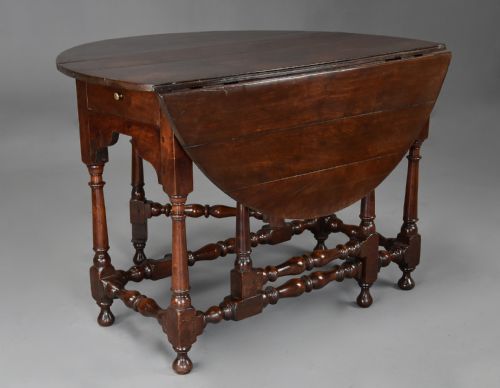
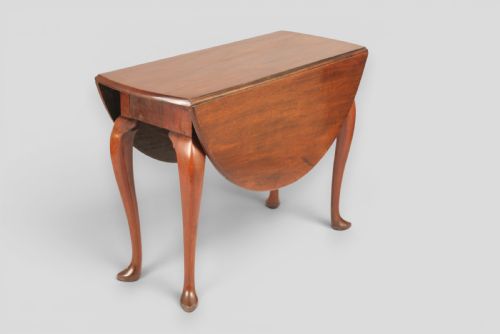
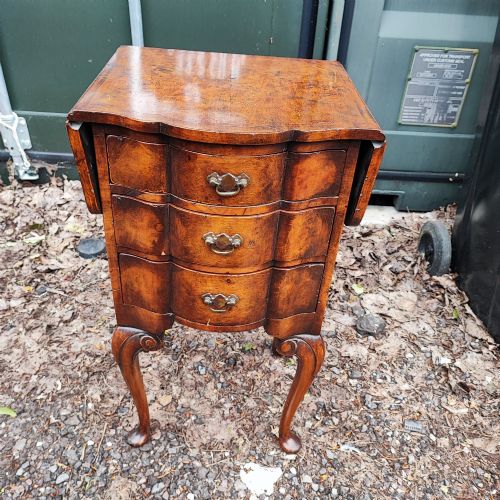
A queen anne drop leaf table brings functional timber furniture into a room, spanning forms like gateleg dining tables, side tables, and occasional pieces. Buyers searching for queen anne drop leaf will most frequently encounter walnut and oak examples from the eighteenth century, alongside revival pieces from the twentieth century.
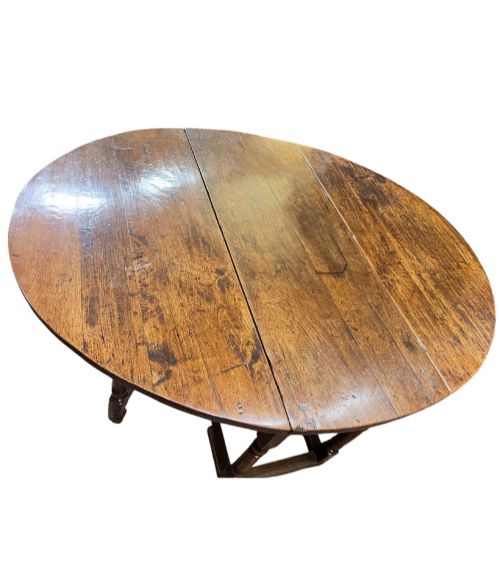
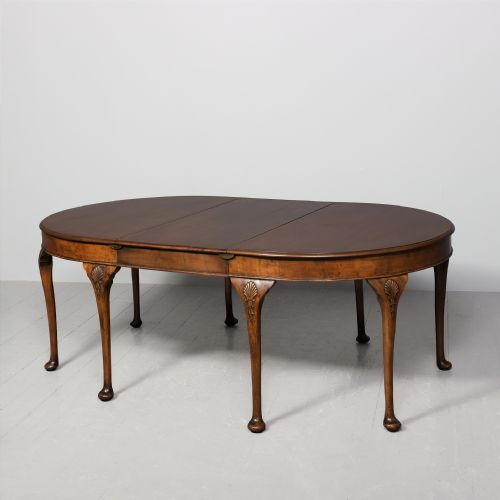
The selection ranges from compact oak supper tables and small yew wood variants to large ten-seater dining tables. These pieces often feature oval drop-leaf tops supported by folding legs or swing frames.
Origins stretch across English country workshops and formal urban makers, with styles crossing from early eighteenth-century Queen Anne into George II designs and later twentieth-century revivals.
Materials and construction
Cabinetmakers utilised dense hardwoods including walnut, burr walnut, mahogany, oak, yew wood, and elm, often applying fine veneer surfaces over solid carcases. Brass fittings such as hinges and handles supplemented the timber construction.
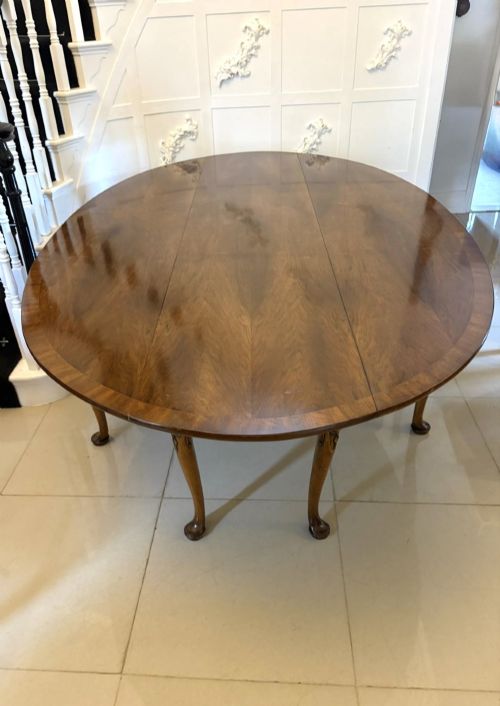
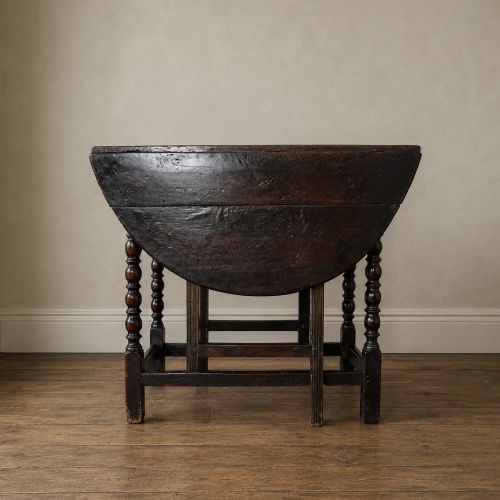
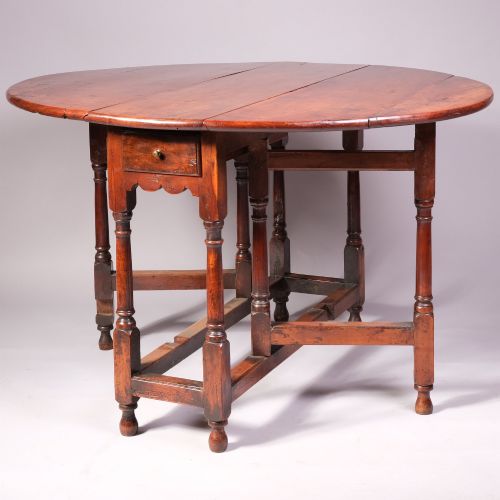
Construction relied on traditional joinery to support folding leaves and swing legs, incorporating carved cabriole legs, pointed pad feet, and occasionally barley-twist turnings. Tables were shaped with oval leaves and sturdy gateleg frameworks to manage the weight of extended tops.
Periods range from the seventeenth century through Georgian eras to 1930s revivals.
Evaluating the pieces
Quality rests in the choice of timber figure, such as highly figured burr walnut or rich mahogany, and the crispness of carved details on cabriole legs. Better examples maintain a fine natural patina on the wood surfaces.
Proportion and scale distinguish superior items, particularly where small occasional tables or large dining tables retain balanced lines and original brass hardware without clumsy proportions.
The Queen Anne Drop Leaf Glossary
- Drop leaf table
- A table with a fixed central section and hinged flaps that fold down when not in use. These surfaces expand easily for dining.
- Gateleg table
- A table with hinged legs that swing outward like a gate to support the drop leaves. This design provides sturdy underframe support.
- Cabriole leg
- A furniture leg that curves outward and then tapers inward, mimicking animal legs. This shape typifies the style.
- Pad foot
- A simple foot shape where the leg terminates in a rounded pad resting directly on the floor. It often appears at the base of cabriole legs.
- Patina
- The deep surface sheen and mellow colour developed by timber over centuries of handling and age. It signals authentic historical wear.
Queen Anne Drop Leaf: Frequently Asked Questions
How do I seat six people?
These tables utilise drop leaves that fold outward to extend the surface area significantly. Swing-out gatelegs provide the necessary structural support beneath the extended flaps.
Larger oak and mahogany dining versions easily accommodate multiple guests once fully opened.
Where should I place a side table?
Compact drop-leaf side tables fit neatly against walls in hallways or living rooms. Dropping one or both leaves minimises their footprint in narrow spaces.
They also function well as bedside tables or lamp stands when surface area is limited.
How do I identify early oak pieces?
Early oak examples typically display pegged joinery and heavy timber construction. Surface textures often show the grain patterns characteristic of seventeenth and eighteenth-century country workshops.
Grain depth and construction methods help separate these foundational pieces from later twentieth-century revivals.
What is the difference between walnut and mahogany?
Walnut exhibits rich, variegated brown tones and was favoured heavily during the early eighteenth century. Burr walnut variants show particularly complex, swirling grain patterns.
Mahogany provides a denser, darker reddish-brown surface that became widely utilised slightly later in the eighteenth century.
Are twentieth-century revivals authentic antiques?
Twentieth-century revival pieces date from periods like the 1920s and 1930s when cabinetmakers consciously copied earlier eighteenth-century designs. They are quality furniture items in their own right rather than original period pieces.
Examining timber characteristics and construction wear clarifies the precise era of manufacture.