
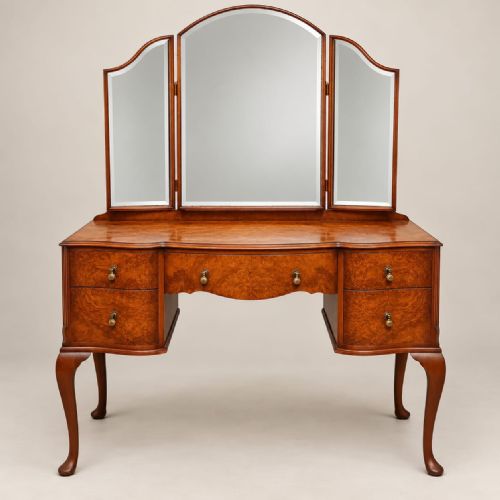
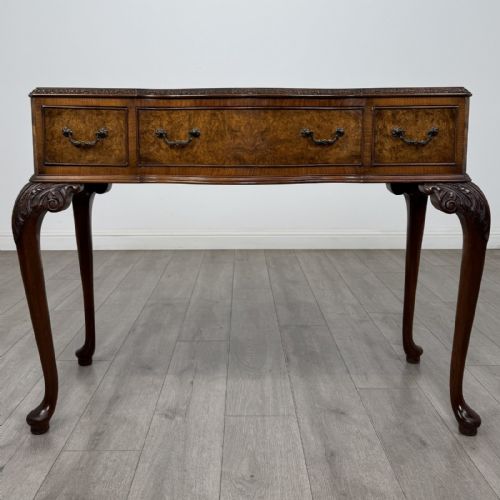
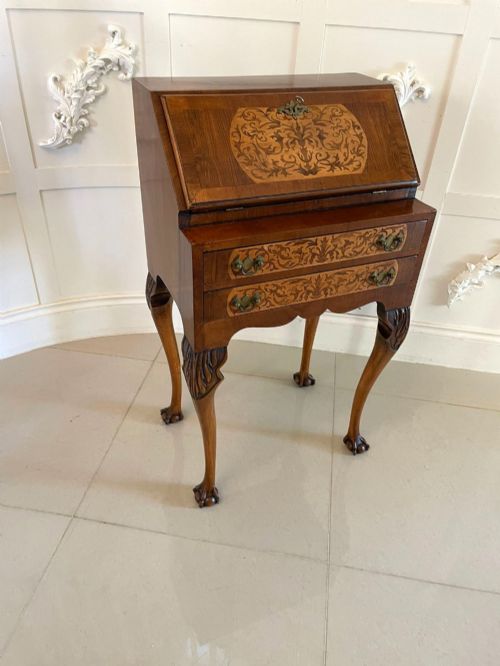
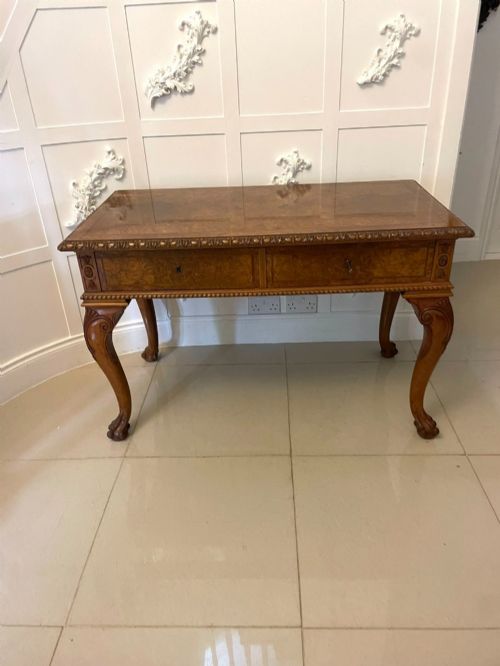
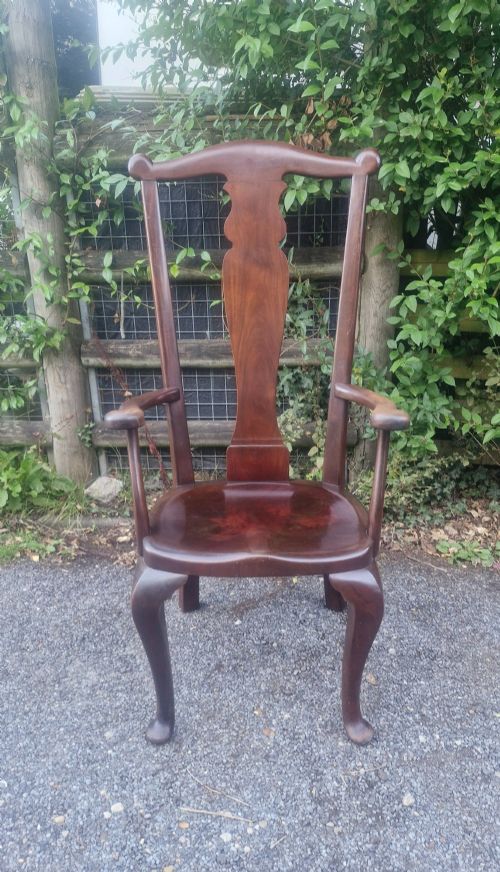
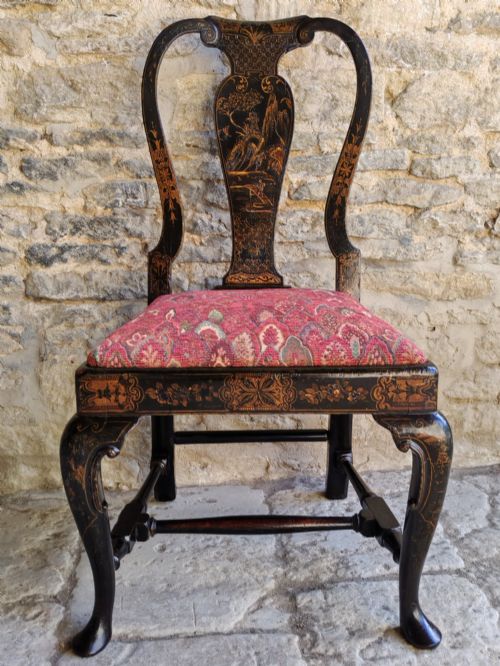


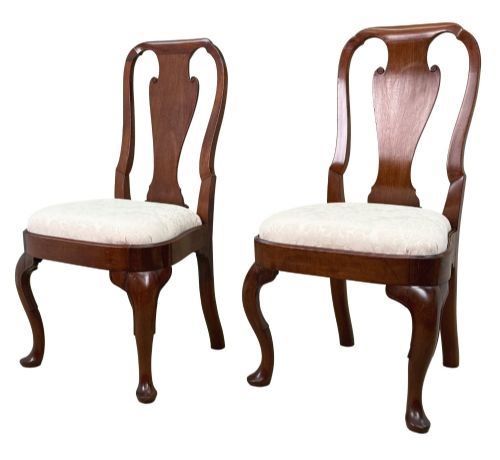
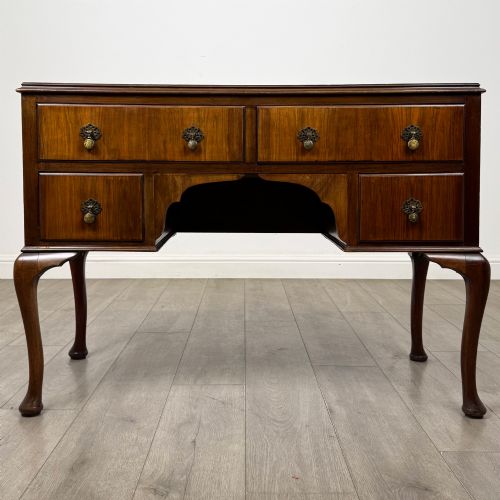
Queen Anne Cabriole Leg Desk
These queen anne cabriole leg desk forms combine curved timber and fitted drawers for practical writing.
Queen Anne Cabriole Leg Desk
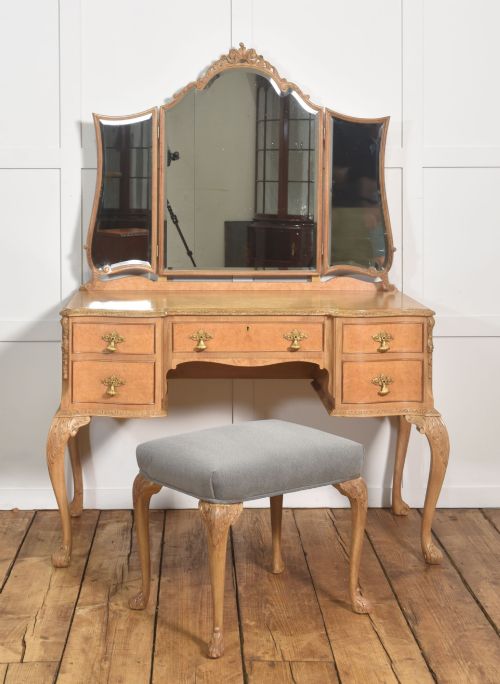
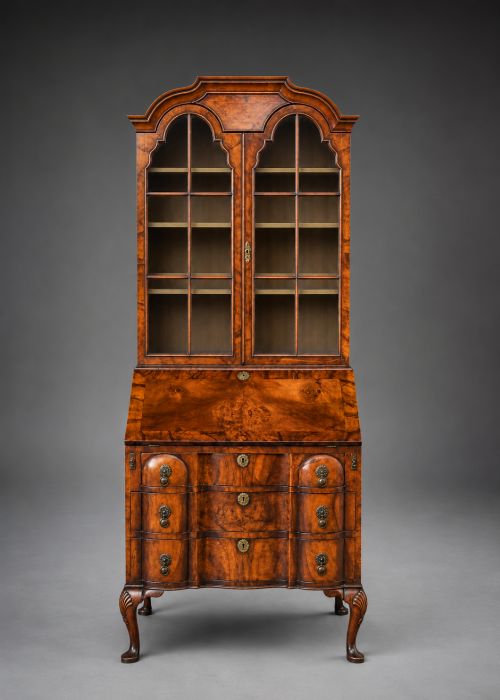
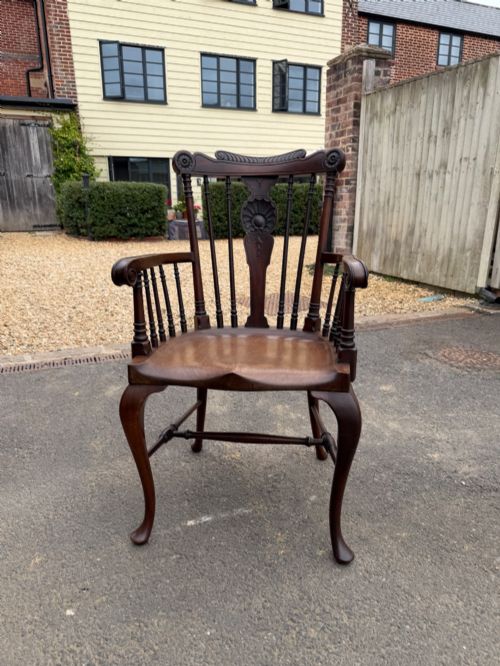
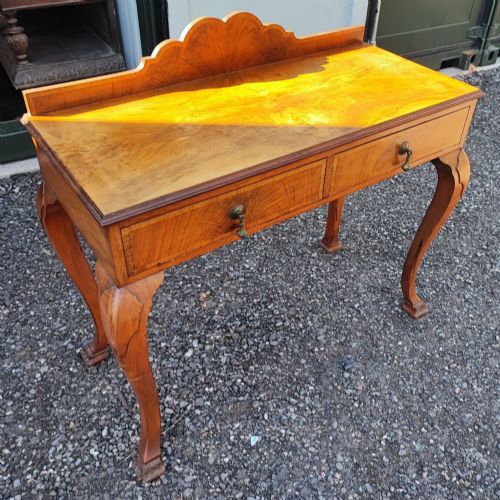
When searching for a queen anne cabriole leg desk, buyers encounter forms spanning the 18th century through to revival pieces from the Edwardian era and the 1920s and 1930s. The selection includes pedestals, bureaux, bureaux on stands, writing tables, and lowboys serving similar writing and storage purposes.
Original 18th-century examples sit alongside George I style walnut pieces and later interpretations in burr walnut, mahogany, and oak. These items demonstrate the enduring appeal of the characteristic curved support leg paired with timber surfaces.
How they were made
Construction relies heavily on figured timbers such as walnut and burr walnut, alongside mahogany, oak, and yew wood, often enhanced by brass hardware and leather writing surfaces. Craftsmen shaped supports into the signature cabriole profile, balancing structural weight with refined curves.
Cabinetmakers utilised veneering techniques to display rich grain patterns across writing surfaces and drawer fronts, while frames incorporated traditional joinery to support daily use.
Listings span the 18th century, Georgian period, Edwardian era, and the 1920s to 1930s, constructed mainly in walnut, burr walnut, mahogany, and oak.
What varies in quality
Quality rests in the depth of figure within the timber, the crispness of the cabriole curve, and the harmony of proportions between the writing surface and the support structure. Pieces featuring dense burr walnut veneer and finely executed brass fittings represent the upper tier of execution.
The distinction between 18th-century originals and later revival pieces from the Edwardian period or the 1920s lies in the hand-working of the timber and the subtlety of the leg profiles, where earlier examples show distinct patination.
Charles Tozer·Wylie & Lochhead Glasgow
The Queen Anne Cabriole Leg Desk Glossary
- Cabriole leg
- A furniture support curved in a double S-shape, typically swelling outward at the knee and tapering down to a foot. This form defines much of the seating and desk design from the period.
- Bureau
- A sloping-lidded desk enclosing a fitted interior of small drawers and pigeonholes. It often stands on a frame or bracket feet.
- Lowboy
- A small dressing or writing table with one or more rows of drawers beneath a flat top. They frequently share the cabriole leg form seen on related desks.
- Burr walnut
- A decorative timber veneer sliced from growth excrescences on walnut trees. It yields complex, swirling grain patterns highly prized in cabinetmaking.
- Chinoiserie
- European decorative style employing simulated Chinese motifs and techniques. It appears on select 18th-century chairs and surfaces.
Queen Anne Cabriole Leg Desk: Frequently Asked Questions
How do I identify an 18th-century original?
Original pieces display authentic timber shrinkage, hand-cut joinery, and patination developed over centuries of handling.
Revival pieces from the Edwardian era or the 1920s exhibit more uniform secondary timbers and machine-assisted construction methods.
What is a bureau on stand?
A bureau on stand combines a sloping writing cabinet with an elevated underframe featuring legs rather than a solid enclosed base. This configuration lightens the visual weight of the piece.
Such forms appeared during the 18th century and returned in later revival periods.
Are lowboys used as desks?
Lowboys serve as compact writing surfaces or dressing tables due to their kneehole clearance and surface area. Their drawer arrangements provide storage for writing materials.
They function well in smaller rooms where standard pedestal desks prove too large.
How should I care for burr walnut?
Burr walnut surfaces require protection from direct sunlight and excessive temperature fluctuations to prevent veneer splitting. Regular dusting with a dry cloth maintains the finish.
Occasional application of appropriate wax preserves the sheen of the timber.