
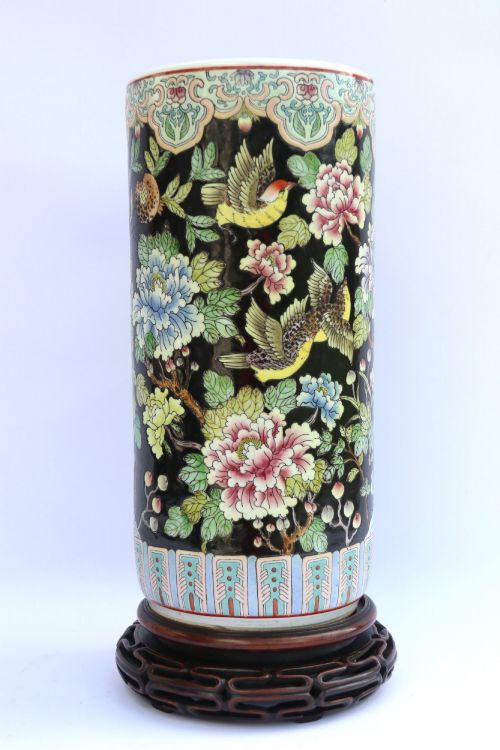


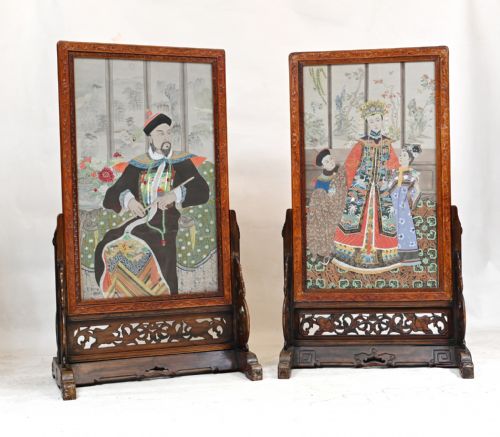

Qing Dynasty Style Stand
These qing dynasty style stand pieces bring carved hardwood and marble together into plant and lamp tables.

What these stands are
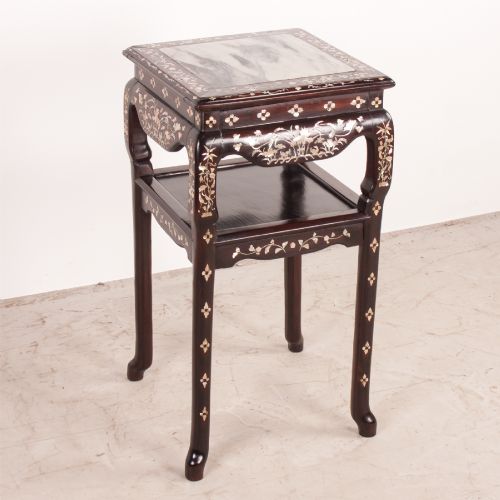
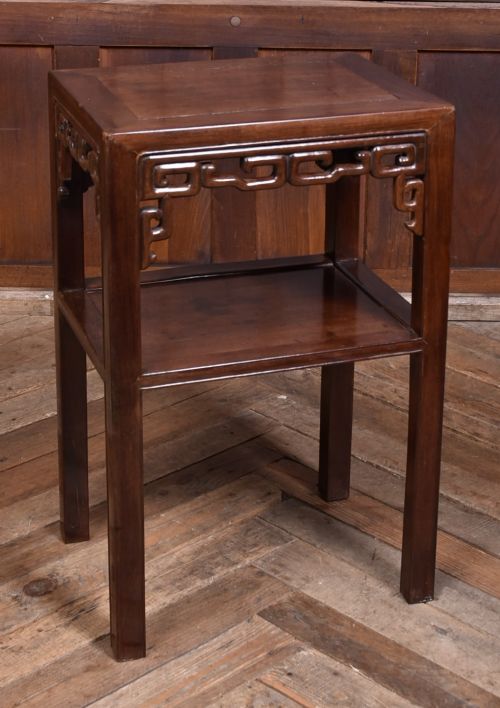
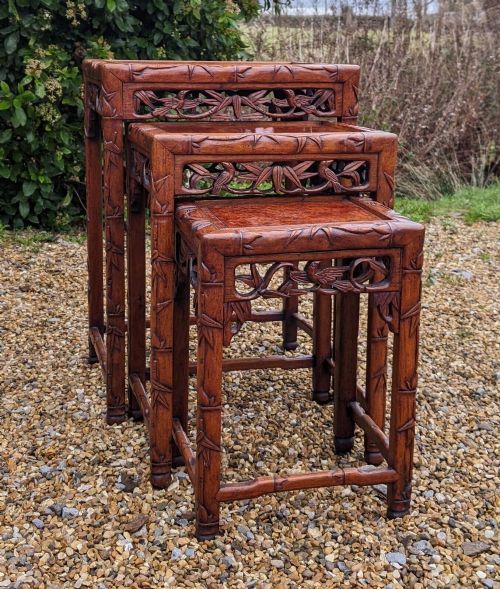
A qing dynasty style stand is a decorative support designed to hold lanterns, plants, or jardinieres within a room. Collectors encounter these forms primarily as lamp tables, occasional tables, and tiered stands originating from the nineteenth century.
The material combination typically unites a dense hardwood framework with a fitted marble top. These items emerge through Chinese export production and traditional Chinese craftsmanship from eighteen ninety through to nineteen twenty.
How they were made
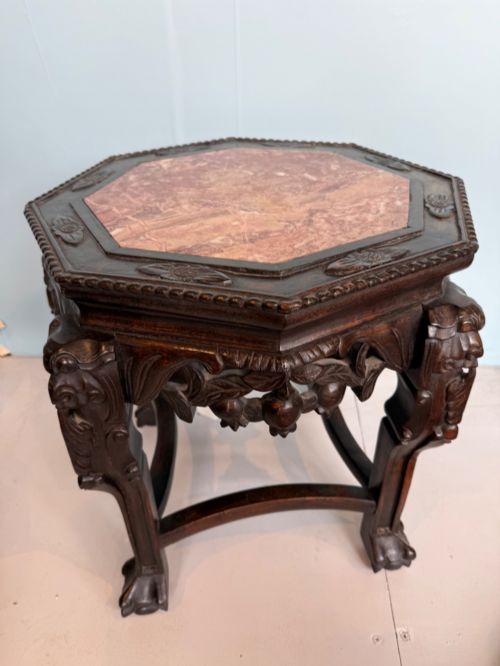
Constructed from heavy hardwood, these pieces employ traditional joinery to support inset stone surfaces. Skilled artisans carve intricate decorative details directly into the timber frame, including dragon motifs and floral elements.
Slabs of marble are cut and polished to fit precisely into the wooden top recess of each table or stand. This combination creates a stable, cool surface suited for holding heavy ceramic jardinieres or lighting.
Retail Price Guide 2026
Typical UK retail prices for qing dynasty style stand, calculated from the Sellingantiques database of over a million retail prices indexed since 2003. This retail price guide relies exclusively on Sellingantiques data; no external sources or auction records are used, so the figures do not describe the wider market.
Listings feature pieces dated across the nineteenth century, eighteen ninety, and nineteen twenty, constructed from hardwood and marble.
What varies in quality
The depth and crispness of the wood carving separate standard production from superior examples. Sharp, detailed chisel work on dragon motifs and floral borders indicates a higher grade of craftsmanship.
The quality of the timber grain and the choice of marble insert also define the hierarchy of these stands. Heavy, well-figured hardwood paired with evenly veined marble represents the better end of surviving items.
The Qing Dynasty Style Stand Glossary
- Jardire stand
- A tall pedestal or small table specifically designed to support a heavy ceramic plant pot or flower bowl. These stands feature reinforced tops to bear the weight of damp earth and pottery.
- Hardwood
- Dense, slow-growing timber selected for structural strength and fine grain finish. This material allows artisans to execute deep, durable relief carvings without splintering.
- Chinese export
- Goods manufactured in China specifically for Western markets during the nineteenth and early twentieth centuries. These pieces often blend traditional Eastern forms with aesthetic preferences popular abroad.
- Occasional table
- A small, versatile table used for general purposes rather than a specific dining or writing task. These include lamp tables and low display surfaces positioned beside seating.
Frequently Asked Questions
What is a qing dynasty style stand used for?
These stands serve as decorative supports for lamps, plants, and ceramic jardinieres inside the home. They elevate objects to a convenient height while adding architectural detail to a room.
Historically, nineteenth-century households utilised them to display prized ornaments and traditional items. Today, collectors place them beside seating or in corners to hold lighting and greenery.
How do I identify a nineteenth-century stand?
Look for dense hardwood construction combined with traditional Chinese carving techniques and fitted marble tops. These pieces often show specific forms such as lantern stands and two-tier lamp tables.
Dates range from the nineteenth century through to nineteen twenty, reflecting periods of Chinese export production. The combination of heavy timber and hand-carved dragon motifs points directly to this era.
Are marble tops original to these stands?
Marble inserts are typical for hardwood tables and jardiniere stands produced during the nineteenth and early twentieth centuries. The stone provides a durable, heat-resistant surface for lamps and plants.
Makers recessed the marble directly into the wooden frame to ensure stability. This material pairing remains a defining characteristic of Chinese export stands from this period.
How do I care for hardwood and marble?
Clean the hardwood frame with a soft, dry cloth to remove dust without damaging the carved details. Avoid commercial silicon polishes that can build up within the intricate recesses of the timber.
Wipe the marble top with a damp cloth and mild soap if necessary, drying it immediately to protect the stone. Keep the stand away from direct heat sources and strong sunlight to preserve the finish.