


Qing Dynasty Figure Art
Qing dynasty figure art brings together centuries of skilled carving and painting, offering collectors rich depictions of deities, scholars, and daily life.
Qing Dynasty Figure Art
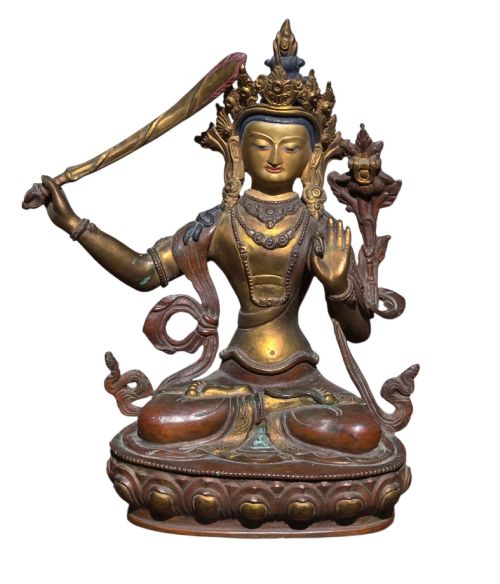
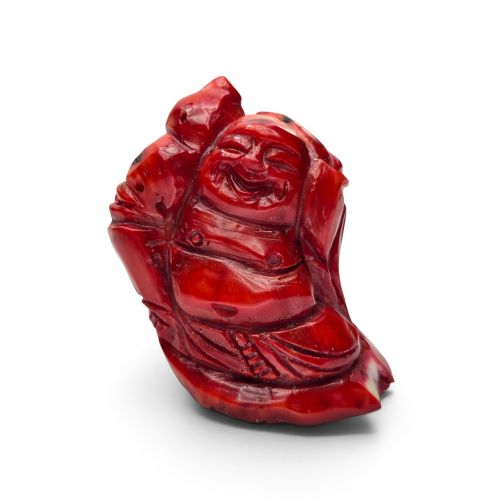
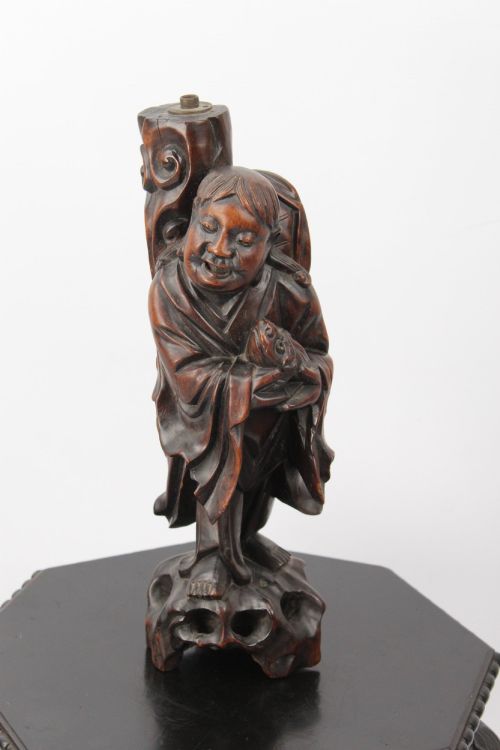
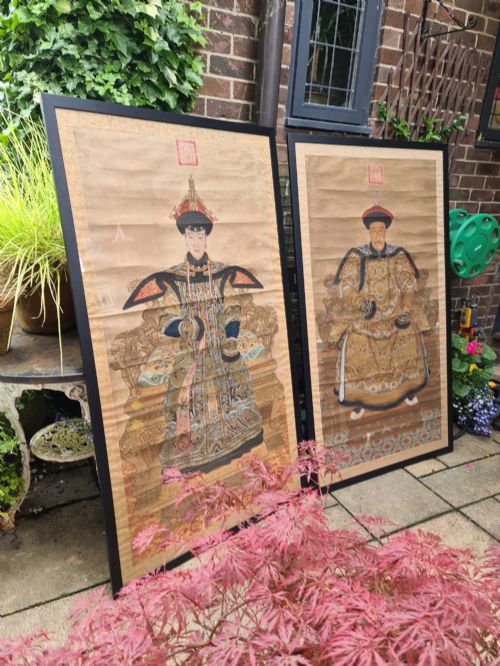
These pieces encompass sculpted deities, carved immortals, and delicate painted studies that capture human and divine forms from the Qing dynasty. When searching for qing dynasty figure art, buyers encounter works ranging from hardwood carvings of scholars and fishermen to framed pith paper watercolours and embroidered panels.
The selection leans heavily toward nineteenth-century works, alongside mid-eighteenth-century sculptures and Kangxi period productions. Formats vary from small handheld figures and root wood carvings to monumental stone groups and ancestral scrolls.
Originating largely from Chinese export and domestic traditions, these objects reflect the diverse spiritual and cultural life of the period. Whether depicting a Daoist immortal or a temple deity, each piece provides a tangible connection to historical craftsmanship.
Materials and construction methods
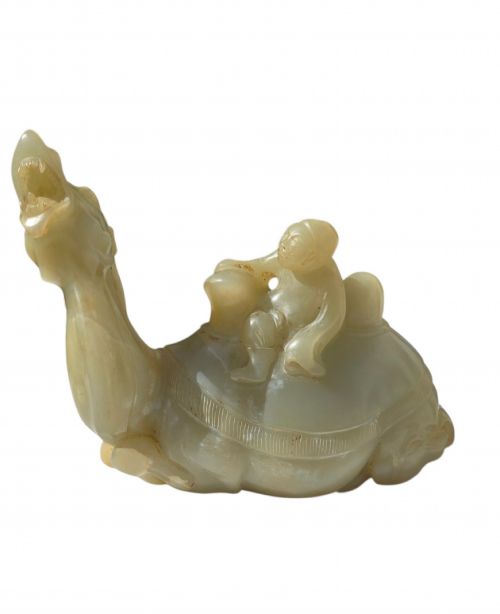
Carvers utilised native hardwoods, root wood, hardstone, and coral to shape figures with intricate detail. Woodcarvers often worked directly with the natural contours of root wood to define scholars, fishermen, and animals.
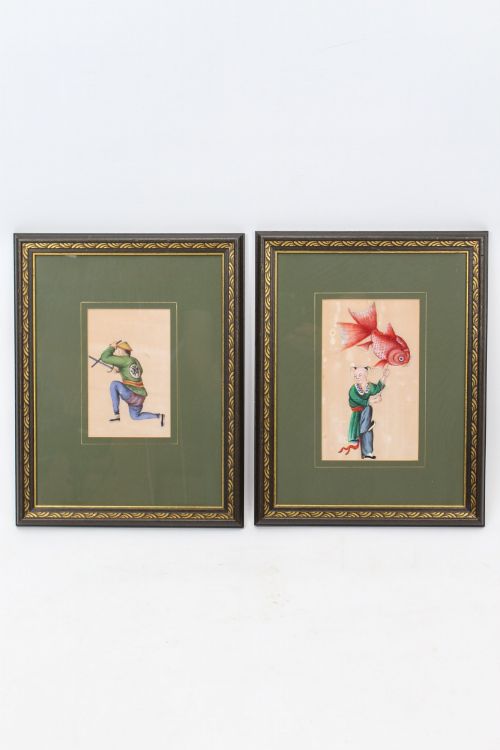
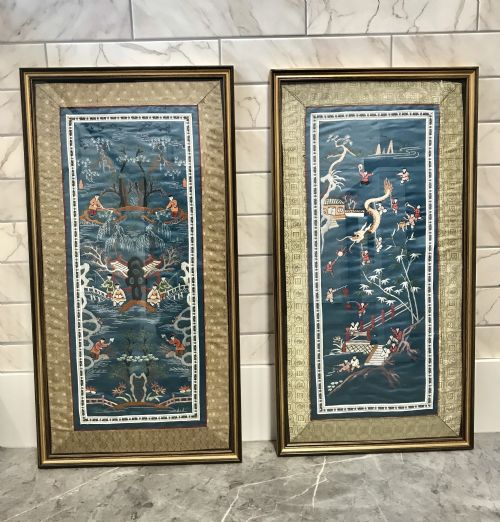
Painters employed gouache and watercolour on pith paper, silk, and paper supports, sometimes framing panels under glass. Gilding, pigment, and gold leaf added colour and ornamentation to wooden sculptures and bronze deities.
Listings feature works spanning the eighteenth and nineteenth centuries, executed in wood, pith paper, hardstone, and silk.
Distinctions in craftsmanship
The refinement of the carving defines the upper tier of sculptural pieces, where facial expressions, drapery folds, and fine textures display deliberate control. Lesser examples show simpler tool marks and less anatomical definition.
In painted works, the precision of the brushwork and the preservation of pigment on fragile supports such as pith paper determine the visual impact. Pieces retaining vibrant colour and careful detail command greater attention from collectors.
The Qing Dynasty Figure Art Glossary
- Pith paper
- A delicate material cut from the pith of the Tetrapanax papyrifer plant, commonly used in nineteenth-century Chinese watercolour painting. It absorbs gouache in a distinct manner that creates a velvety surface texture.
- Root wood
- Timber formed from the root mass of a tree, selected by carvers for its natural knots and twists. Artisans incorporated these organic shapes into figures of scholars and fishermen.
- Sino-Tibetan
- A stylistic classification denoting art produced under Tibetan Buddhist influence within Chinese imperial workshops or border regions. These works frequently incorporate gilt-bronze and intricate religious iconography.
- Gouache
- An opaque water-based medium utilised on paper and silk for detailed figure paintings. It allows for layered, saturated colour application.
- Bowenite
- A hard, compact variety of serpentine prized for its jade-like appearance and smooth finish. Carvers utilised it for sculptural groups such as camels and riders.
Qing Dynasty Figure Art: Frequently Asked Questions
What materials are common in these figures?
Carvers utilised hardwood, root wood, stone, coral, and jade for three-dimensional sculptures. Painters worked with gouache and watercolour on pith paper, paper, and silk.
These materials reflect the diverse artistic output of the period, ranging from portable domestic carvings to delicate framed paintings.
How do I identify a root wood carving?
Root wood pieces display the natural twists, knots, and organic contours of the tree root from which they were shaped. Artisans cleverly integrated these natural irregularities into the forms of scholars, fishermen, and deities.
Examining the grain and the interaction between the carved subject and the natural wood helps confirm the technique.
What subjects typically appear in these artworks?
Depictions include Daoist immortals, Buddhist deities such as Bodhisattvas, scholars, fishermen, and ancestral figures. Narrative scenes and daily life also appear on embroidered silk panels and pith paper paintings.
These subjects offer insight into the spiritual beliefs and social structures of historical China.
How should I care for pith paper paintings?
Pith paper is exceptionally fragile and sensitive to light, moisture, and physical pressure. Works on this medium are typically framed under glass to protect the delicate surface from damage.
Keep them away from direct sunlight and high humidity to preserve the pigment and the paper structure.