

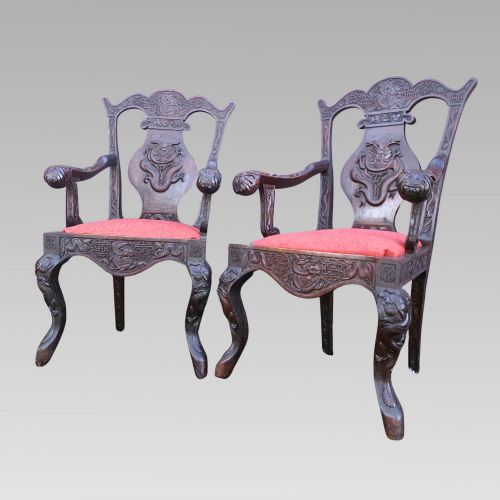


Qing Dynasty Chair
A qing dynasty chair brings centuries of woodworking heritage and structured comfort into a modern interior.
Qing Dynasty Chair
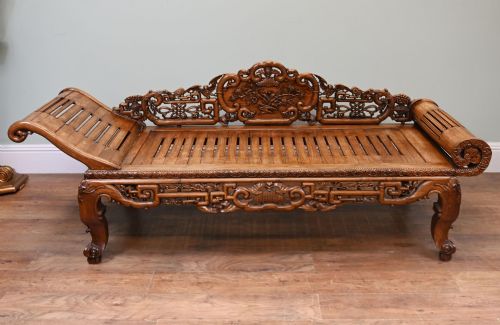
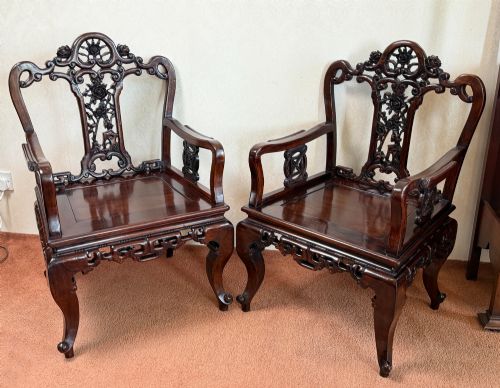
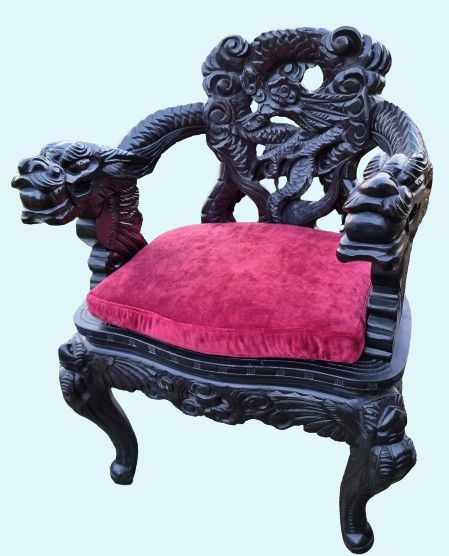
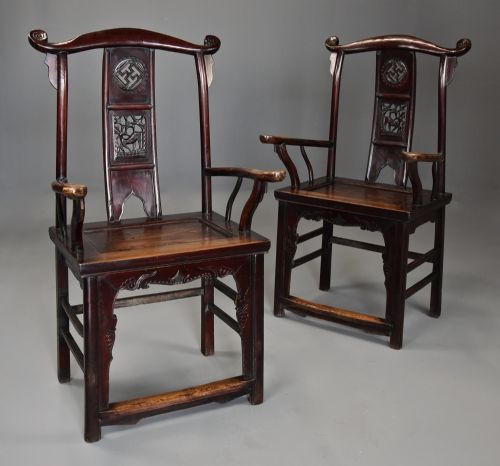
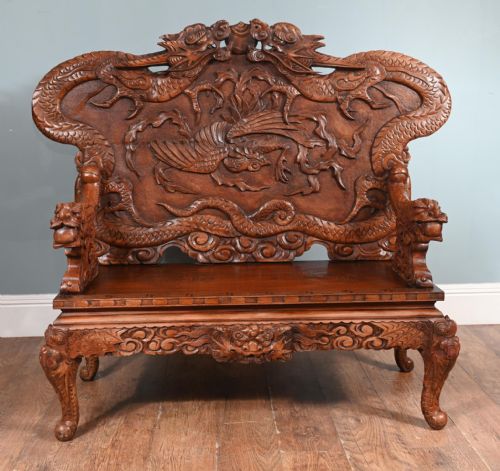
When you search for a qing dynasty chair, you encounter a variety of forms including armchairs, side chairs, benches, settles, and folding seats. The most frequently met examples on this page date from the nineteenth century, alongside items attributed to the eighteenth century and around nineteen hundred.
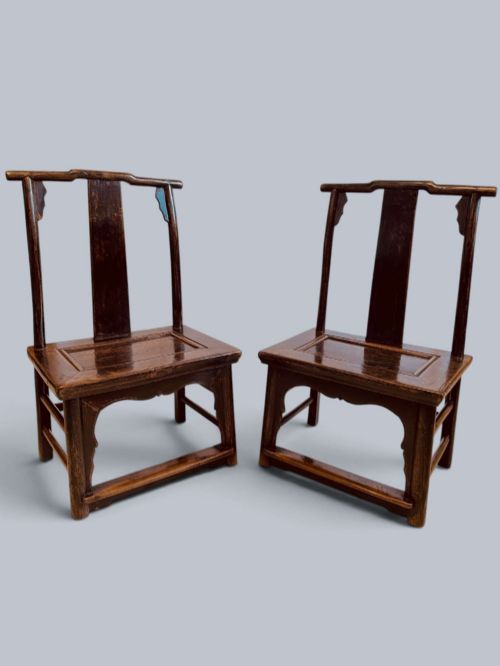
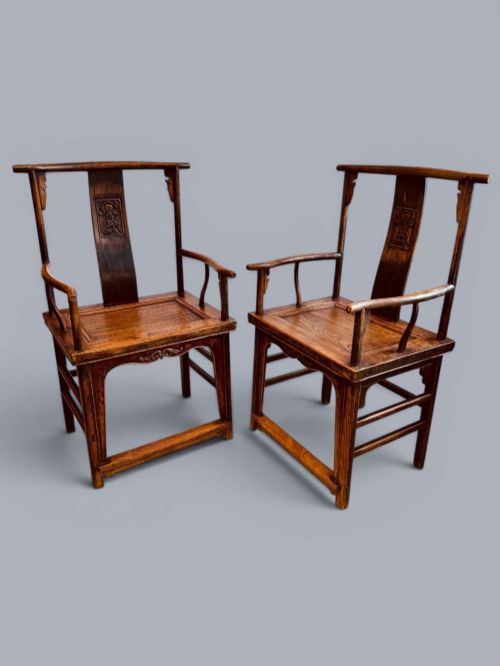
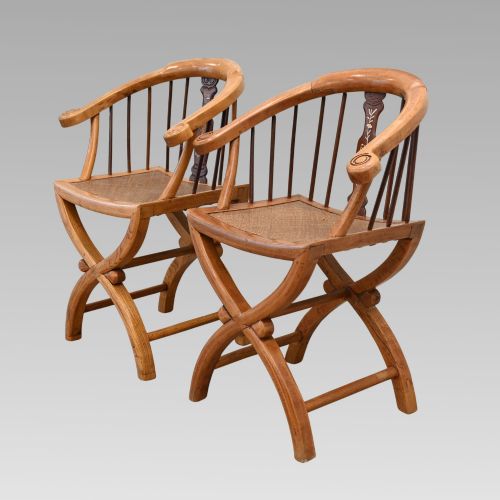
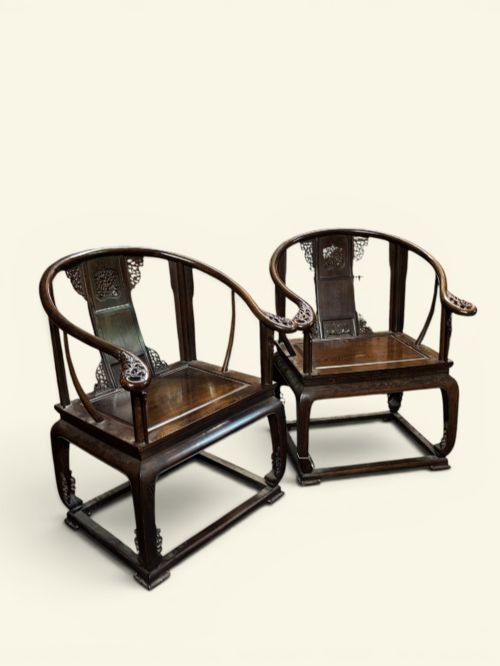
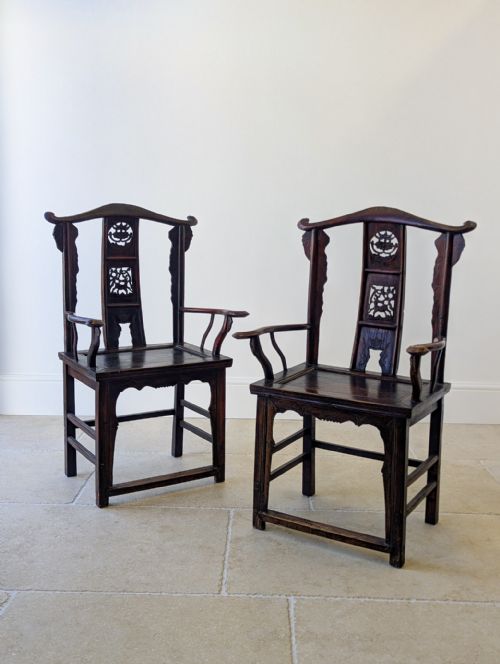
Makers utilised distinct regional and traditional designs such as yoke-back armchairs, horseshoe-back throne chairs, lamp hanger chairs, and concubine chairs. These pieces served scholarly, ceremonial, and domestic functions within traditional Chinese interiors.
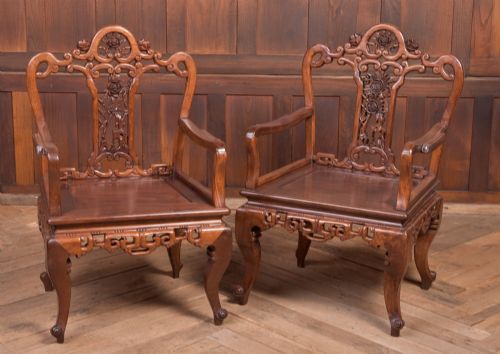
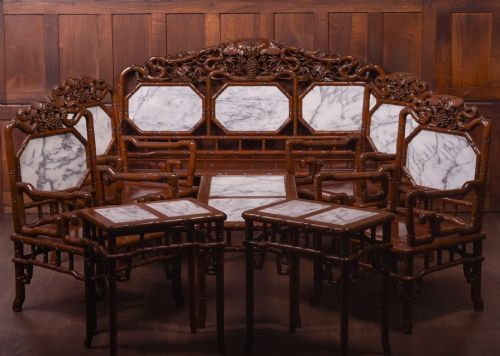
The selection ranges from individual side chairs to matched pairs and larger parlour suites, incorporating regional influences from Chinese export workshops.
Materials and construction
Carpenters constructed these seats using dense timbers such as hardwood, rosewood, hongmu, huanghuali, elm, fruitwood, teak, and blonde wood. These durable materials provided the structural strength required for intricate joinery and carved ornamentation.
Surfaces frequently display applied finishes including red lacquer, cinnabar lacquer, painted decoration, or brass inlay, while select items integrate marble or mother-of-pearl panels into the design.
Qing Dynasty Chair Retail Price Guide 2026
Typical asking prices for qing dynasty chair among the pieces listed under this phrase on Sellingantiques today, from the lower quarter to the upper quarter. They describe what is for sale here now, not the wider market.
Some folding models allowed scholars to pack their favourite seats for outdoor garden excursions.
Assessing craftsmanship
The distinction between standard examples and the finest items rests upon the crispness of the wood carving, the depth of the patina accumulated on the timber, and the integrity of the original lacquer or painted finish.
Proportion and structural balance also dictate quality, where fluent curves on horseshoe-backs and precise joinery on yoke-back designs separate routine production from exceptional work.
The Qing Dynasty Chair Glossary
- Hongmu
- A dense, heavy tropical hardwood prized in Chinese furniture making for its deep colour and durability. It takes a fine polish and allows for sharp, intricate carving.
- Yoke-back chair
- A traditional form of seating distinguished by a top crestrail that curves outwards resembling a traditional ox yoke. It provided ergonomic support for scholars and officials.
- Horseshoe-back
- A continuous curved arm and backrail that sweeps downwards in a single fluid line. This classic form requires advanced joinery to shape the timber accurately.
- Cinnabar lacquer
- A traditional decorative coating built from multiple layers of tree sap mixed with mercuric sulphide, producing a rich red colour. Artisans carved intricate pictorial or floral motifs directly into the hardened layers.
- Patina
- The surface sheen and softened texture developed by wood and lacquer over decades of handling and use. A good patina indicates age and regular maintenance.
Qing Dynasty Chair: Frequently Asked Questions
How do I identify a yoke-back chair?
A yoke-back chair is recognised by its distinctive top rail which flares or curves outwards at the ends, echoing the shape of an animal yoke. This architectural silhouette was favoured by scholars.
These pieces were typically constructed from elm or denser hardwoods. The vertical splat beneath the crestrail is often plain or subtly carved.
Where were these chairs used?
These seats were utilised in official reception halls, scholarly studios, and domestic living quarters within traditional Chinese homes. Throne chairs and benches occupied formal spaces for receiving guests.
Side chairs and smaller armchairs served daily functions around tables or within parlour suites. Their construction reflected the social status of the household.
How should I care for lacquered wood?
Lacquered wood requires protection from direct sunlight and extreme humidity fluctuations to prevent the surface from drying and cracking. Dusting with a soft, dry cloth is sufficient for routine maintenance.
Avoid applying harsh chemical polishes or water directly to painted or lacquered surfaces. Maintaining stable indoor atmospheric conditions preserves the original finish.