




Antique Chinese Throne Seat
An antique chinese throne seat brings commanding presence and intricate oriental craftsmanship into a room.
Antique Chinese Throne Seat
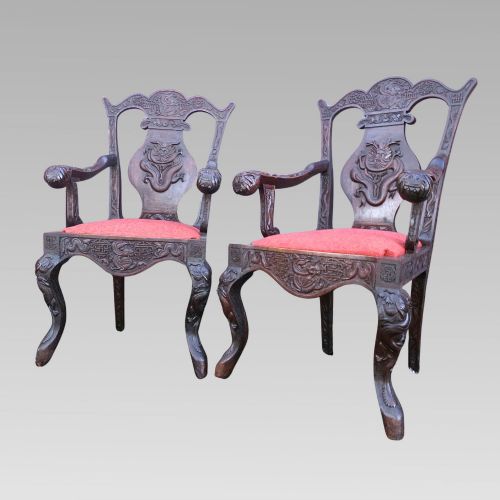
When you search for an antique chinese throne seat, you are looking at substantial ceremonial seating rooted in traditional Chinese and Qing Dynasty aesthetics. These pieces include armchairs, benches, settles, and matching sets designed to anchor a formal interior.
The versions you are most likely to meet on this page hail from the nineteenth century and the turn of the twentieth century. They range from heavy Hongmu and rosewood examples to lacquered and carved hardwood forms.
Materials and construction methods
Carpenters utilised dense timbers such as Hongmu, rosewood, teak, and dark hardwood, which allowed for deep, sharp carving without splitting. These heavy woods formed the rigid structural frames necessary for large throne chairs and settles.
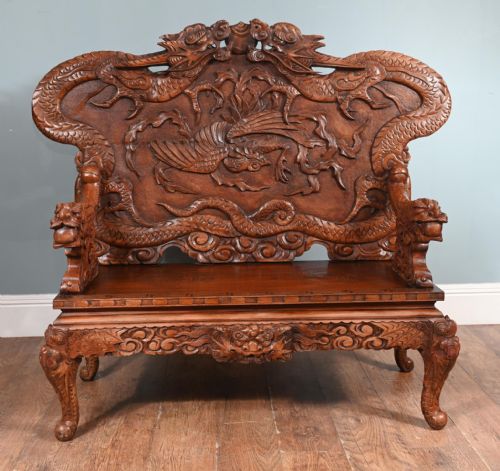
Decoration relied heavily on manual labour, featuring intricate dragon carvings, cinnabar lacquer finishes, and occasional bone inlay. Upholstery and marble inserts also appeared in specific pieces to add texture and contrast to the dark timber.
Antique Chinese Throne Seat Retail Price Guide 2026
Typical asking prices for chinese throne seat among the pieces listed under this phrase on Sellingantiques today, from the lower quarter to the upper quarter. They describe what is for sale here now, not the wider market.
Several of these imposing seats feature fierce carved dragons keeping a watchful eye over your hallway.
Judging the quality of these seats
The distinction between ordinary seating and top-tier examples rests upon the crispness and depth of the carved ornament. Deeply undercut dragon motifs and balanced symmetry separate masterwork throne chairs from simpler provincial seating.
Material selection dictates the upper tier of the range, with dense Hongmu and heavily figured rosewood commanding greater visual weight than standard elm or generic hardwood frames.
The Antique Chinese Throne Seat Glossary
- Hongmu
- A dense, heavy Chinese hardwood prized for dark reddish-brown tones and durability. It provides the rigid structural support seen in Qing Dynasty throne furniture.
- Cinnabar lacquer
- Layers of red lacquer applied to a wooden base and carved while still slightly soft. This technique produces deep relief patterns on bench and chair surfaces.
- Settle
- A high-backed wooden bench with solid arms and an enclosed base designed to block drafts. In Chinese seating, these often feature elaborate dragon carvings across the crest rail.
- Qing Dynasty
- The final imperial dynasty of China, spanning from sixteen forty-four to nineteen twelve. Pieces from this period frequently display formal symmetry and symbolic animal carvings.
- Chinese Export
- Items manufactured in China specifically for Western markets during the nineteenth and early twentieth centuries. These objects often blend traditional local forms with tastes popular in Europe.
Antique Chinese Throne Seat: Frequently Asked Questions
What is an antique chinese throne seat?
An antique chinese throne seat is a formal wooden chair or bench built during the Qing Dynasty or the early twentieth century. These pieces were designed to symbolise status and authority within a household.
They often feature heavy timbers like rosewood or Hongmu alongside intricate carvings of dragons and traditional motifs.
How were these chairs used historically?
These seats served as focal points in formal reception halls and ancestral spaces. They accommodated leaders, family heads, or honoured guests during important ceremonies and gatherings.
Because of their substantial weight and imposing design, they remained stationary rather than moving around a room.
How do I live with a throne chair?
A throne chair requires space to breathe as a standalone art piece in a hallway, study, or living room. Keep it away from direct heat sources to prevent the dense hardwood from drying out and splitting.
Use a soft cloth for dusting the deep carvings and avoid harsh chemical polishes that can damage antique lacquer or timber finishes.
How do I date an antique Chinese chair?
Dating relies on examining the timber species, the style of the carving, and the construction methods used in the frame. Nineteenth-century examples often display denser woods and hand-carved dragon motifs characteristic of the late Qing period.
Later pieces from around nineteen hundred incorporate similar traditional styles but may show transitions in joinery and finish.