





Qing Dynasty Ceramic Jars
Qing dynasty ceramic jars are historic vessels of porcelain and glaze, offering collectors traditional hand-painted artistry and centuries of imperial design.
Qing Dynasty Ceramic Jars
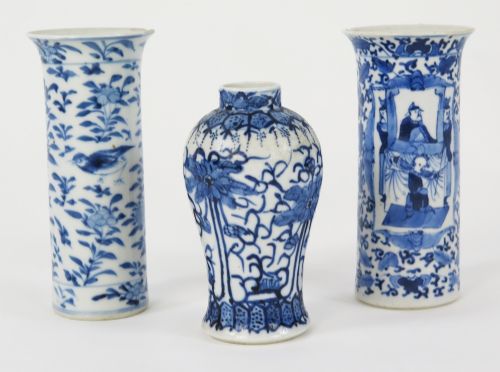
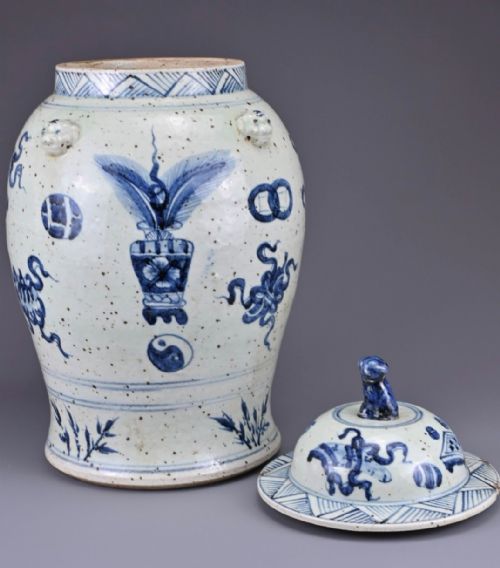
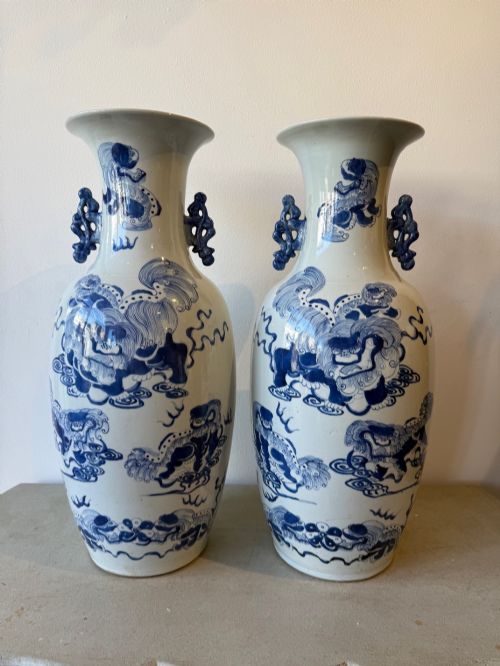
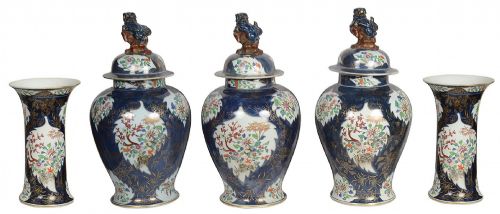
When you search for qing dynasty ceramic jars, you encounter vessels produced under imperial rule and later revival periods, spanning ginger jars, baluster forms, and covered containers. The pieces available here predominantly date through the nineteenth century, alongside eighteenth-century works and later late-Qing examples.
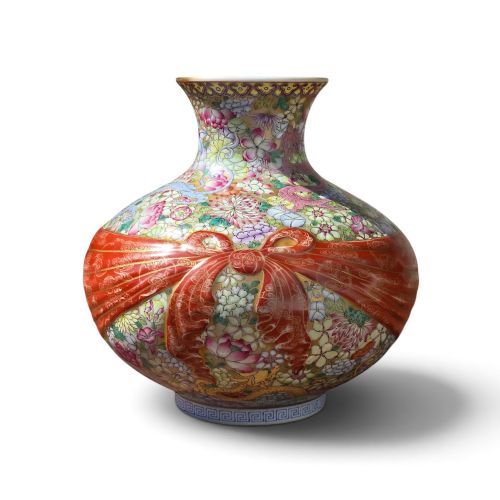
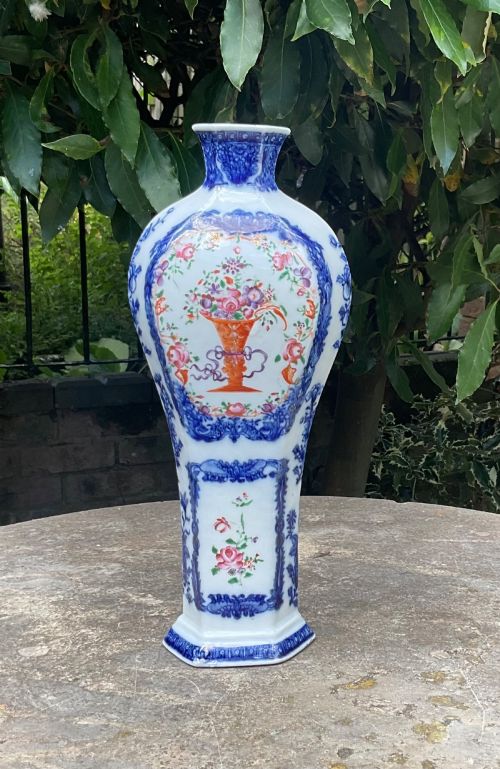
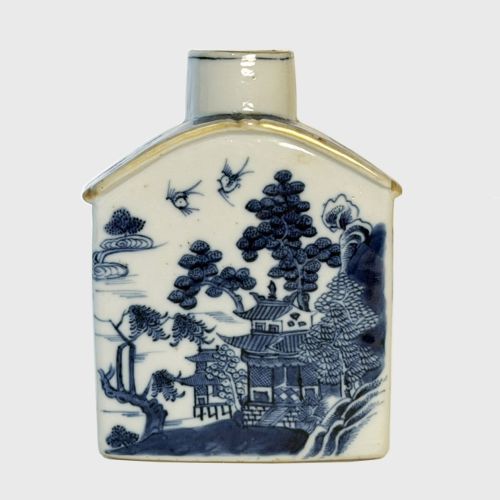
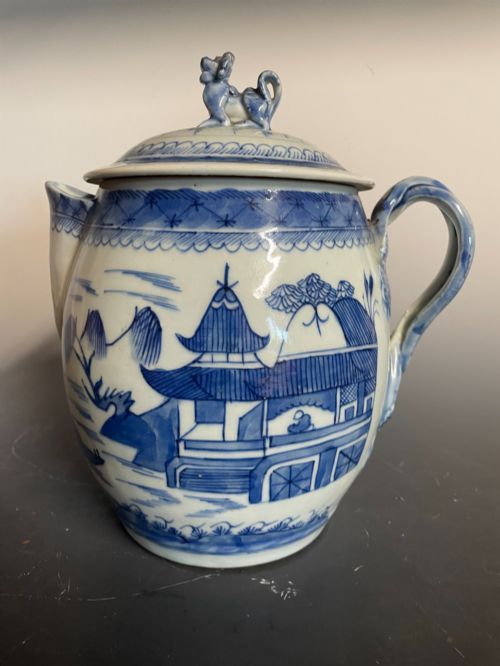
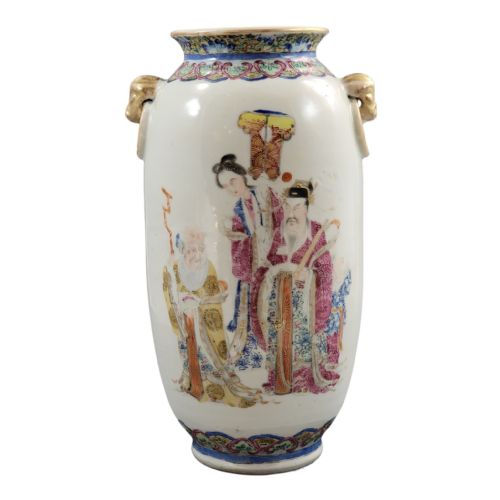
The assortment includes traditional blue and white porcelains alongside colourful famille rose and famille verte enamel decorated vessels. Many of these jars were originally made for export or domestic scholarly use, while some later examples were adapted into table lamps during subsequent decades.
Materials and methods
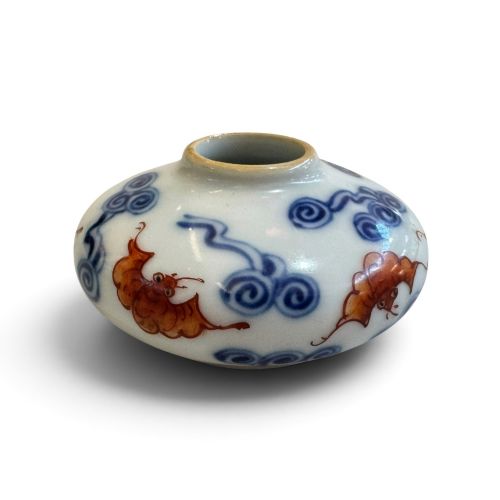
The primary material is fine white porcelain, shaped into vessels and finished with various mineral glazes including cobalt blue, celadon, and tea dust. Artisans applied hand-painted cobalt underglaze or overglaze enamels such as iron-red, sometimes incorporating brass, gold leaf, or wood elements.
Production centres such as Jingdezhen utilised skilled throwing and painting techniques, often applying historical reign marks or style marks to honour earlier periods like the Kangxi or Qianlong eras.
Listings feature eighteenth and nineteenth-century periods, utilising porcelain, cobalt glaze, enamel, brass, and wood across ginger jars, baluster vases, and scholarly vessels.
Distinctions in quality
Quality rests upon the precision of the hand-painted detail and the depth of the glaze, where finely rendered motifs like dragons, birds, or floral sprays display superior artist control. The clarity of the porcelain body and the crispness of any underglaze marks further separate standard production from exceptional work.
Proportion and balance define the superior vessels, ensuring that lids, bodies, and mounts integrate harmoniously rather than appearing clumsy or misaligned.
The Qing Dynasty Ceramic Jars Glossary
- Famille rose
- A palette of opaque enamel colours dominated by pink or rose, introduced during the Qing dynasty for delicate floral and figural painting.
- Famille verte
- An enamel palette focused on green hues alongside iron-red and yellow, popular in earlier Qing porcelain decoration.
- Ginger jar
- A broad-shouldered storage jar with a domed cover, originally designed for spices but widely collected for its decorative form.
- Doucai
- A technique combining underglaze blue outlines with overglaze polychrome enamels, creating vibrant contrasting patterns.
- Celadon
- A transparent jade-green glaze over a pale body, prized for its subtle tone and tactile crackle or smooth finish.
Qing Dynasty Ceramic Jars: Frequently Asked Questions
How do I identify a genuine period jar?
Examine the weight, the iron-spotting within the cobalt, and the hand-painted brushwork under magnification. Genuine older pieces show natural age wear and characteristic potting traits on the unglazed base.
Reign marks on the bottom require careful study because potters often copied earlier Kangxi or Qianlong marks as a sign of respect rather than outright deception.
Were all these jars made for storing ginger?
Despite the common collector term ginger jar, many of these covered vessels held other dry goods, tea, or oils, while others served purely as ornamental display pieces in scholarly rooms.
Larger baluster jars and temple jars often functioned as decorative garniture sets rather than utilitarian containers.
Why do some jars have wooden or metal mounts?
European and British collectors frequently added brass, ormolu, or wooden stands and lids to protect rims or adapt the vessels into lighting during the nineteenth and early twentieth centuries.
These additions reflect how antique Chinese porcelain was integrated into Western domestic interiors over generations.
What is the difference between blue and white and famille rose?
Blue and white pieces use cobalt oxide painted directly onto the clay body beneath a clear glaze before high-temperature firing, resulting in a durable monochrome finish.
Famille rose involves firing the porcelain body first, then applying opaque enamels over the glaze in a secondary, lower-temperature kiln process for rich polychrome effects.