






Qing Dynasty Cabinet
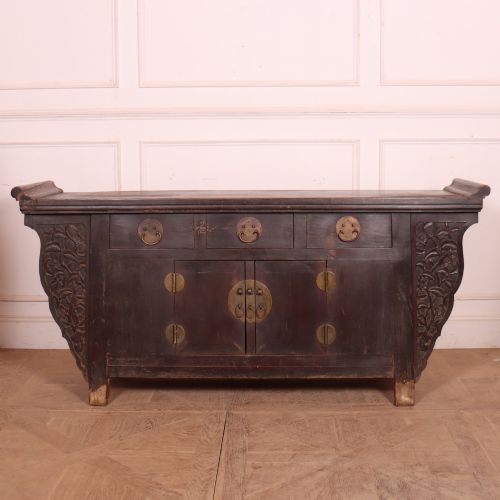
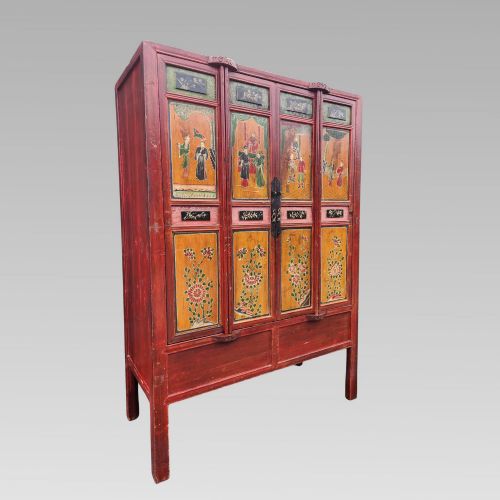
These qing dynasty cabinet selections bring traditional storage pieces, from red lacquered wedding cupboards to hardwood display units, into contemporary rooms.
Qing Dynasty Cabinet
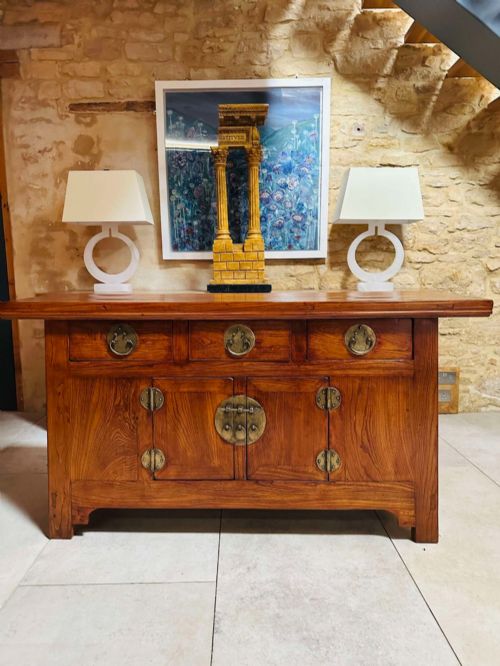
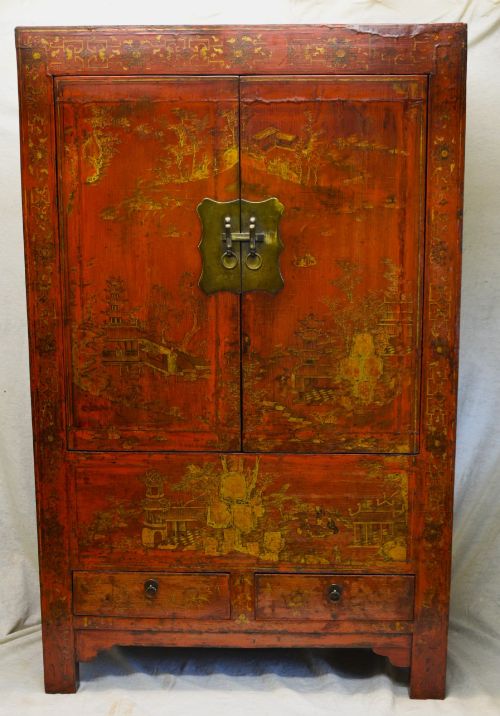
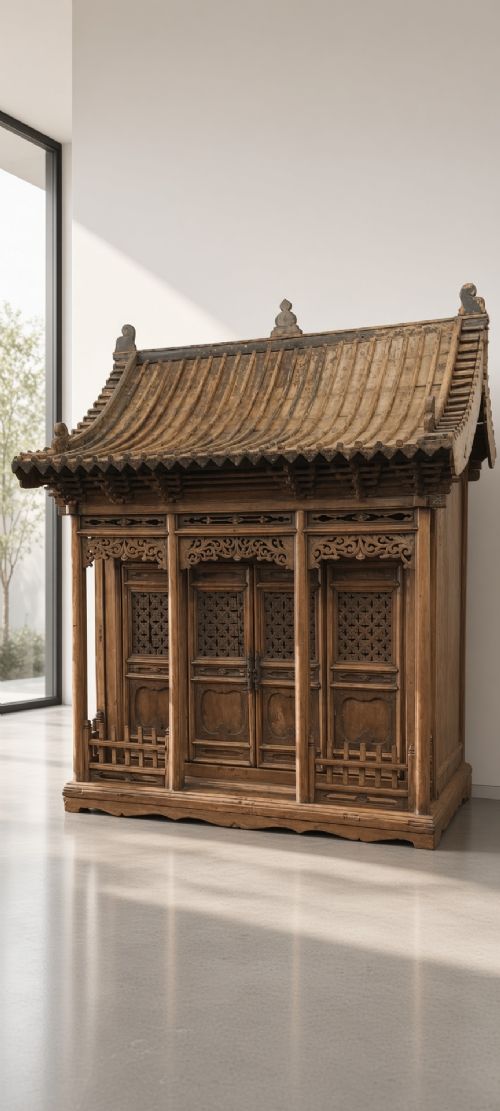
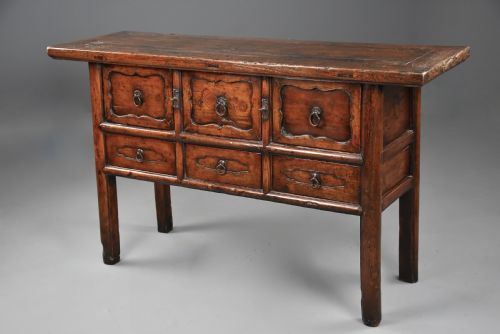
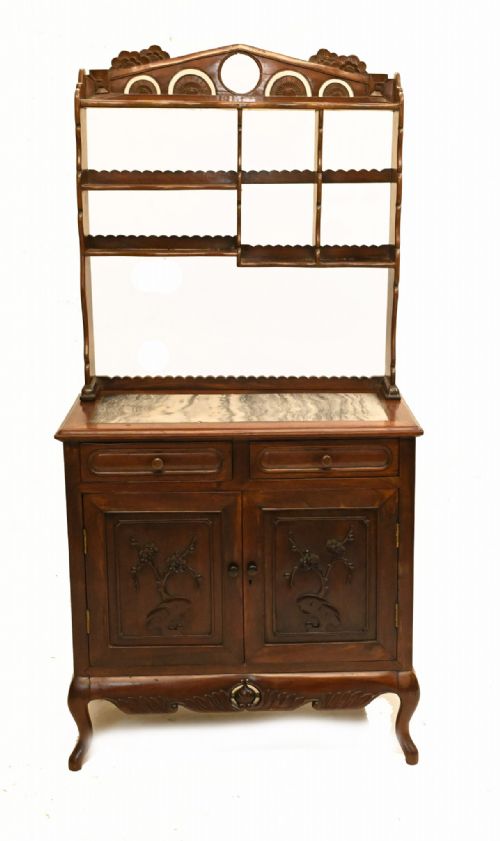
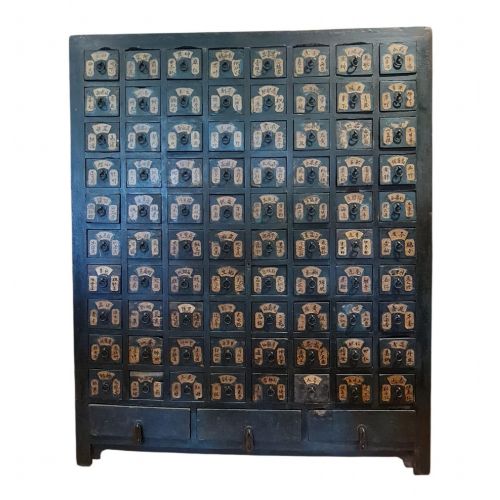
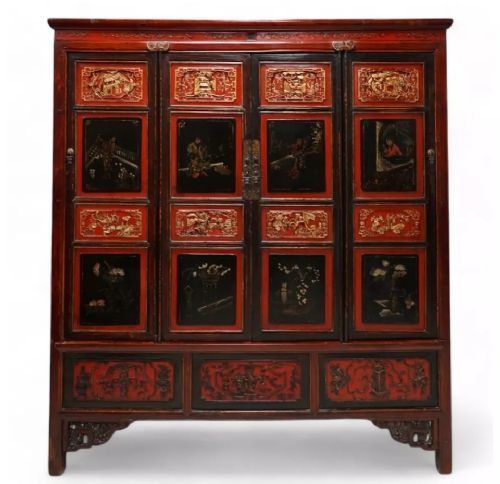
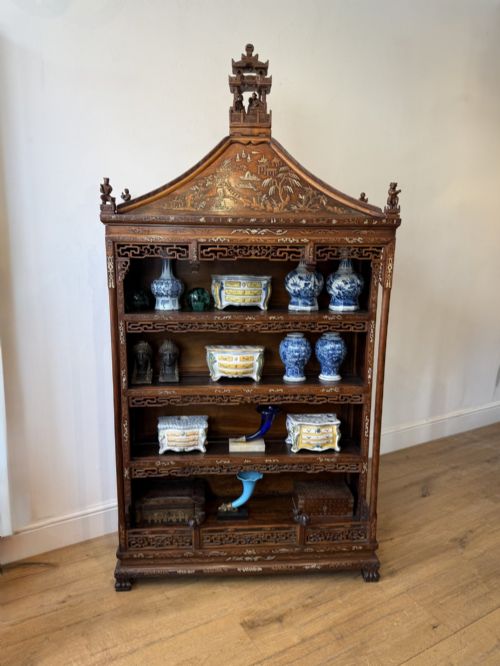
A qing dynasty cabinet search reveals storage and display furniture originating across various Chinese provinces, most commonly dating from the nineteenth century. Buyers encounter large compound storage cupboards, wedding cabinets finished in red or black lacquer, apothecary chests with numerous drawers, and glazed display furniture.
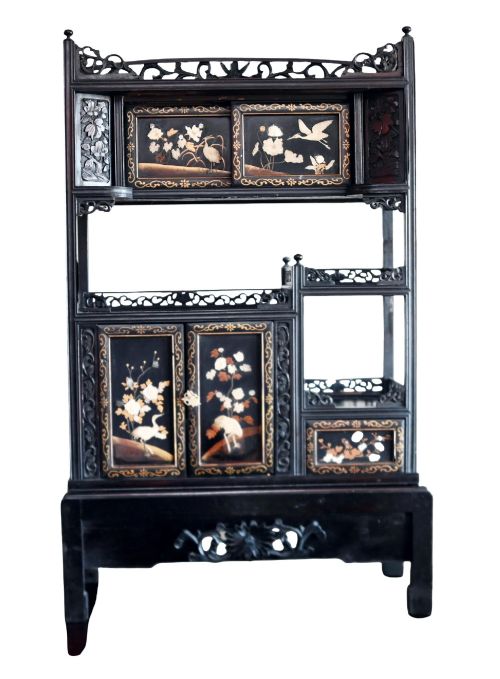
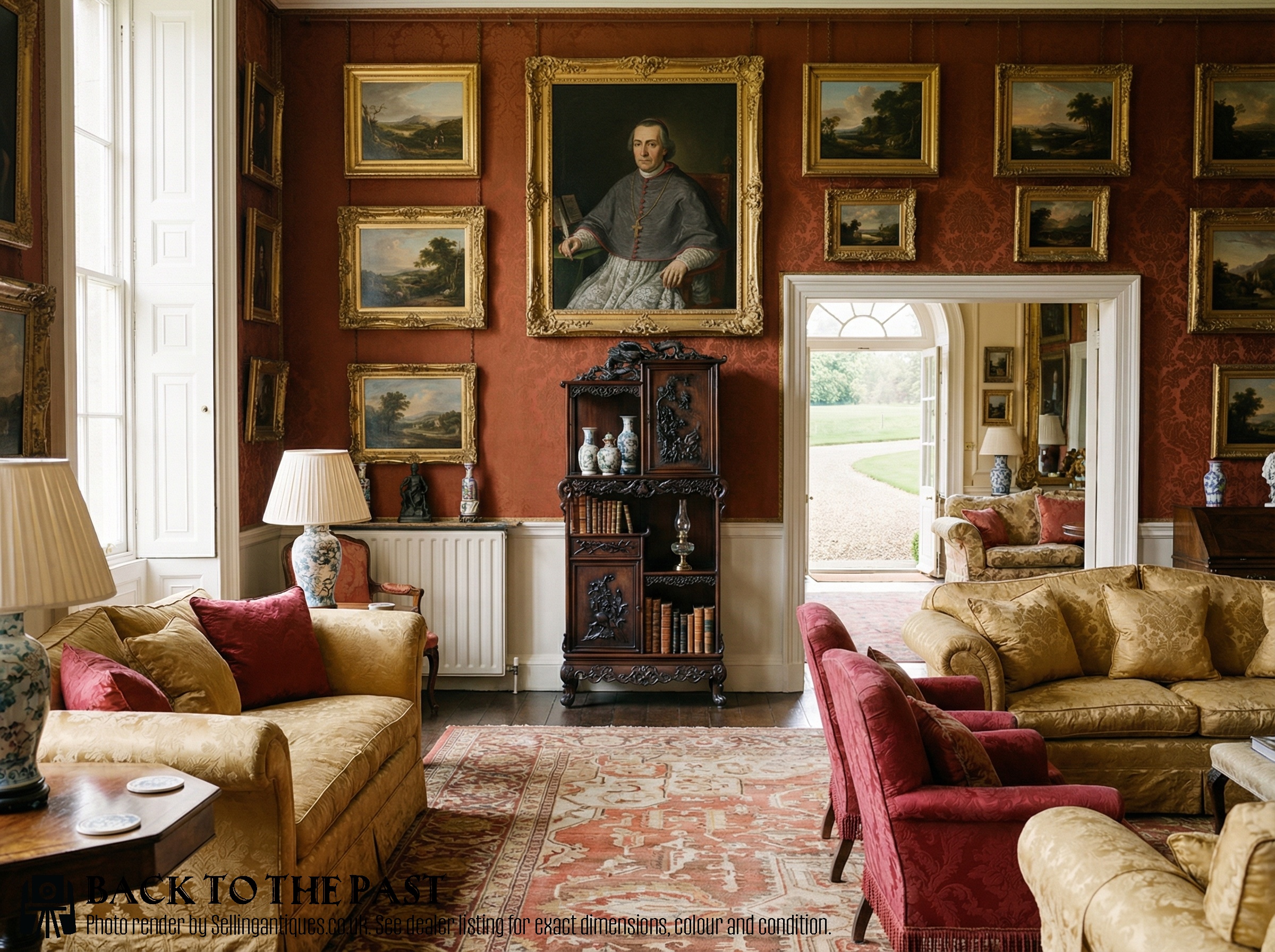
The material selection spans dense Asian hardwoods like elm and hongmu alongside lacquered wood surfaces, often ornamented with brass hardware or mother of pearl inlay. Regional variations include pieces from Shanxi and Fujian provinces, encompassing rustic sideboards and elaborately carved freestanding display cabinets.
What varies in quality
Quality differences stem from the depth and execution of hand-carved wood details, the complexity of joinery, and the preservation state of original lacquer surfaces. Pieces exhibiting intact gold leaf gilding, intricate openwork carving, and specialised regional hardware represent the higher end of the scale.
The choice of timber creates structural distinctions, with dense hardwoods like hongmu commanding different structural qualities compared to softer elm or general wood constructions. The sophistication of interior fittings, such as multiple small drawers in apothecary chests, alters the character of individual pieces.
Qing Dynasty Cabinet Retail Price Guide 2026
Typical asking prices for qing dynasty cabinet among the pieces listed under this phrase on Sellingantiques today, from the lower quarter to the upper quarter. They describe what is for sale here now, not the wider market.
Listings feature eighteenth-century pieces alongside nineteenth-century examples, utilising elm, hardwood, lacquer, marble, and brass.
The Qing Dynasty Cabinet Glossary
- Qing Dynasty
- The final imperial dynasty of China, lasting from sixteen forty-four until nineteen twelve. Furniture from this era encompasses various regional styles, lacquer techniques, and hardwood forms.
- Lacquer
- A durable resin finish applied in multiple coats to wood surfaces, frequently pigmented in red or black. It provides a smooth protective shell that accepts gold leaf and painted decoration.
- Hongmu
- A translation meaning red wood, used to describe dense, heavy tropical hardwoods prized in traditional Chinese furniture construction. This timber allows for crisp, detailed carving.
- Apothecary Chest
- A multi-drawer storage cabinet traditionally used by herbalists and doctors for sorting medicinal ingredients. Examples often feature dozens of small, labeled drawer fronts.
- Compound Cabinet
- A large storage unit built in two or more stacked sections that fit together to form a single tall cupboard. These pieces often served utilitarian storage functions in domestic interiors.
Qing Dynasty Cabinet: Frequently Asked Questions
What is a qing dynasty cabinet used for?
These cabinets served domestic storage functions, ranging from large wedding cupboards meant for textiles and valuables to specialised apothecary chests with numerous small drawers for herbs. Display variations were designed to showcase porcelain, plates, and decorative objects within the home.
Today, buyers utilise these substantial cupboards and sideboards for everyday storage in modern living spaces while retaining traditional Asian furniture aesthetics.
How do I identify a wedding cabinet?
Wedding cabinets typically feature prominent red lacquer finishes, sometimes accompanied by black lacquer, and are fitted with distinct brass circular lock plates and hardware. They were traditionally given as part of a bride's dowry to store clothing and personal belongings.
These pieces often display symmetrical door panels and occasional gold leaf detailing, distinguishing them from utilitarian storage chests or apothecary furniture.
What is hongmu wood?
Hongmu is a category term used for dense, heavy Asian hardwoods that possess natural deep coloration and high structural durability. Artisans selected these timbers for high-status display cabinets and carved furniture because the wood holds fine detail without splintering.
Furniture made from hongmu tends to feel exceptionally heavy and exhibits a tight, smooth grain under traditional finishes.
How do I care for lacquered wood?
Lacquer surfaces require stable indoor humidity levels and protection from direct sunlight to prevent drying, cracking, or fading of the original red and black pigments. Dusting should be done gently with a dry, soft cloth without applying modern chemical polishes.
Maintaining these pieces involves keeping them away from extreme temperature fluctuations near heating vents or radiators.