


Qing Dynasty Brass Vase
A qing dynasty brass vase brings heavy metal casting and intricate surface work into a room, serving as a striking centrepiece or a converted lamp.
Qing Dynasty Brass Vase
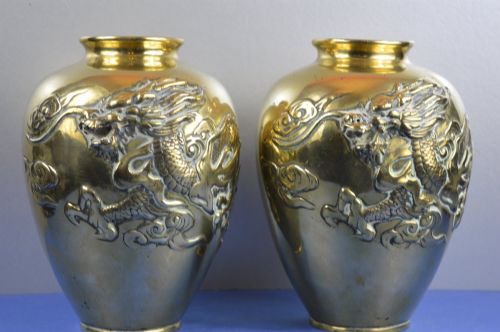
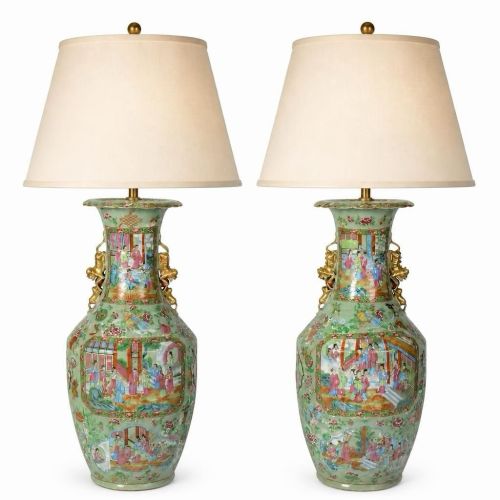
When you search for a qing dynasty brass vase, you encounter metal vessels and related copper-alloy pieces originating from the nineteenth century, including the eighteen-eighties and eighteen-nineties. Many examples on this page appear adapted as table lamps or paired as jardinieres.
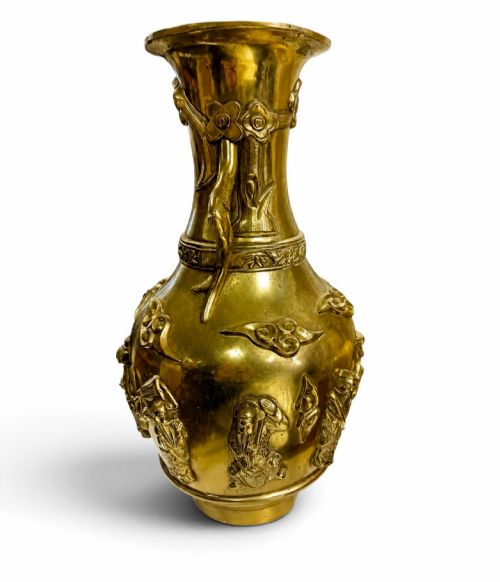
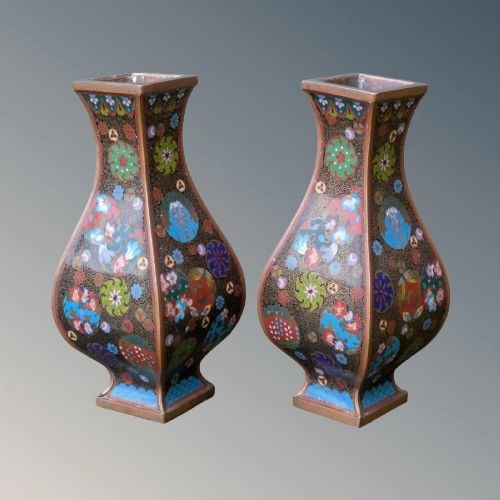
The selection encompasses large baluster forms, dragon vases, and champlevé or cloisonné enamel decorated works. Buyers find substantial items weighing several kilograms, often bearing styles associated with the late Qing period.
Alongside solid metal castings, the inventory includes porcelain pieces mounted in gilt metal and vessels grouped under Chinese export or Chinoiserie styles. These objects reflect the varied decorative production of historical China.
Materials and technique
Artisans utilised copper alloys, bronze, and brass to cast heavy vessels, often employing high-relief techniques to depict figures such as Daoist immortals or writhing dragons. Metal components undergo detailed chasing and engraving before finishing.
Enamel work appears frequently through cloisonné and champlevé methods, where wire partitions or recessed cells hold coloured pastes fired onto the metal body. Gilt bronze mounts and applied handles complete many of the larger decorative forms.
Several heavy bronze dragon vases tip the scales at over five kilograms, offering surprisingly robust security if a draft catches your study door.
Variations in quality
Weight and scale indicate substantial construction, particularly in monumental baluster vases and paired sets. The integrity of the surface decoration and the harmony of any subsequent lamp conversions determine the overall standard of the surviving object.
The Qing Dynasty Brass Vase Glossary
- Baluster
- A tall vase form with a rounded body, a narrow neck, and a flared rim. This silhouette provides a stable base for metalwork and ceramic bodies alike.
- Cloisonne
- An enamelling technique where metal wire is soldered to a base to form compartments filled with paste and fired. Artisans polish the surface smooth once the enamel hardens.
- Champleve
- A method where troughs or cells are hollowed directly into the metal surface and filled with enamel colours before firing. This technique creates robust patterns across bronze and brass bodies.
- Celadon
- A pale green jade-like glaze applied to ceramics that frequently appear mounted alongside metal elements. The subtle tone complements gilt bronze and brass hardware.
- Famille Verte
- A porcelain palette dominated by green enamels supplemented by iron red, blue, and yellow. Pieces decorated in this style often incorporate gilt metal mounts.
Qing Dynasty Brass Vase: Frequently Asked Questions
How are these vases converted into lamps?
Many vessels receive drilled bases or fitted brass caps to accommodate electrical wiring without damaging the core structure. Manufacturers attach fabric shades to complete the conversion for domestic lighting.
Original patination on the metal is typically preserved during this process to maintain the historical appearance of the piece.
What indicates a nineteenth century date?
Stylistic markers include high-relief casting styles, specific reign mark approximations, and characteristic patination found on brass and copper alloys. Heavier weights often correlate with this manufacturing period.
Comparison with documented pieces from the eighteen-eighties and eighteen-nineties helps confirm the era of production.
How do I clean a brass vase?
Dust the surface regularly with a soft dry cloth to prevent grime accumulation on the metal or enamel work. Avoid abrasive polishes that can strip historical patination or damage delicate gilding.
Professional consultation is recommended if the object requires deeper conservation work or structural repair.
Are these pieces displayed in pairs?
Makers frequently produced matching sets intended for symmetrical placement on large tables or mantelpieces. Surviving pairs remain sought after for interior decoration.
Single vessels also appear frequently, functioning well as standalone centrepieces or individual lamp conversions.