



Qianlong Porcelain
Qianlong porcelain encompasses refined ceramics produced during an imperial reign that defined the peak of Chinese artistic production.
Qianlong Porcelain
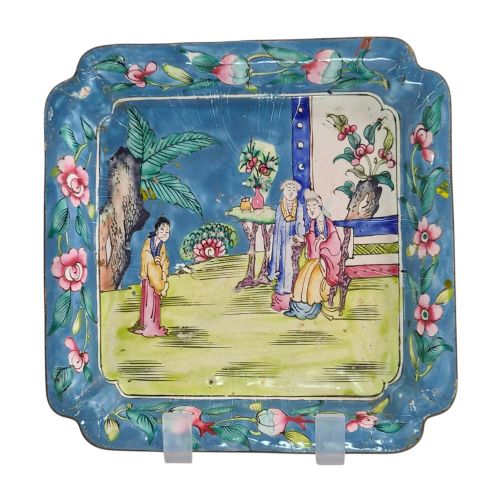
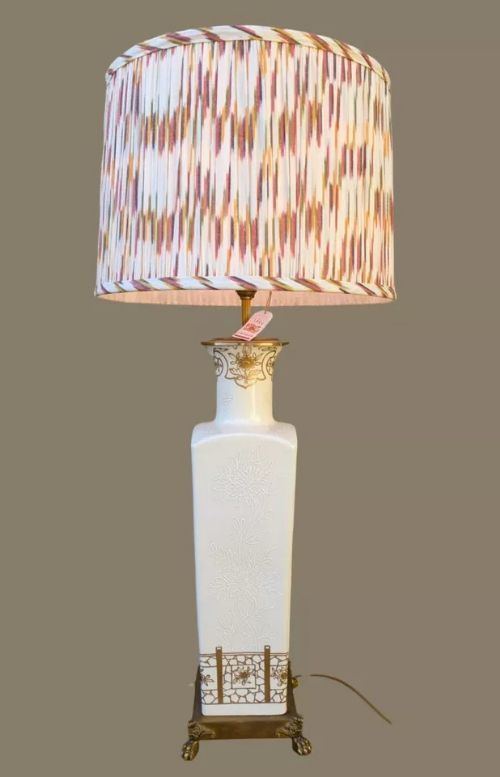
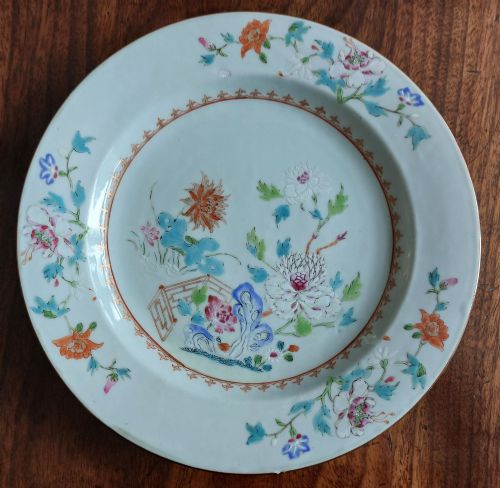
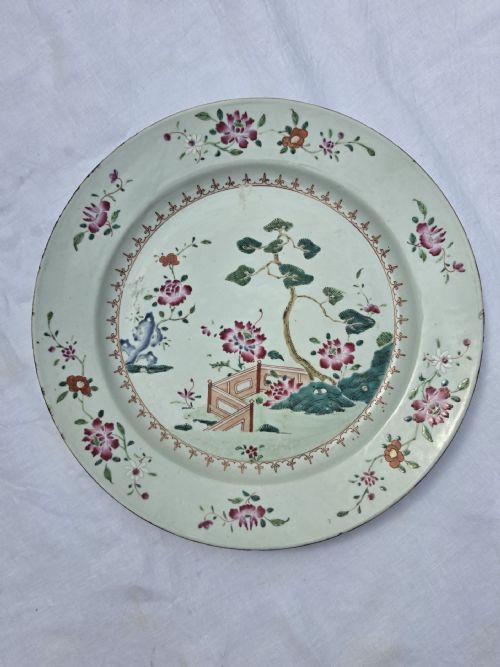
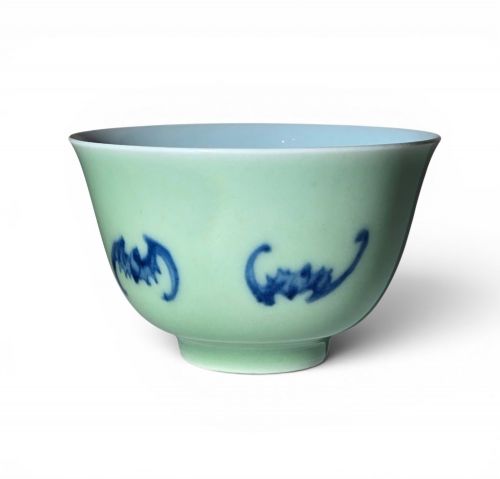
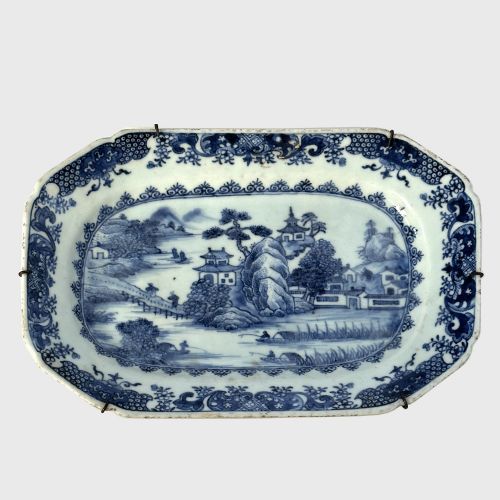
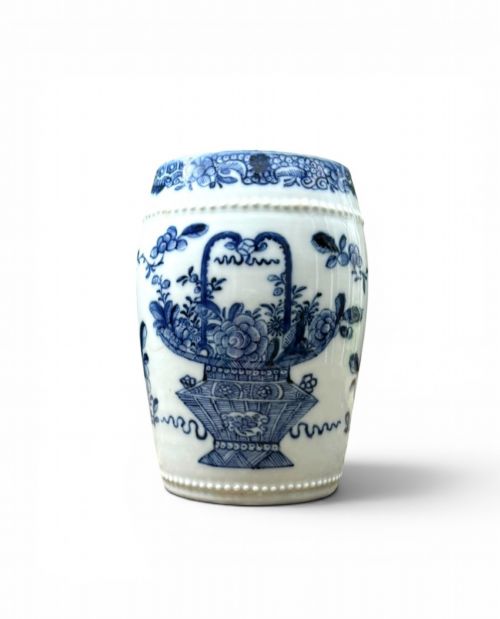
When you search for qianlong porcelain, you encounter ceramic vessels and decorative objects originating primarily from the eighteenth-century Qing dynasty. The forms appearing most frequently on this page include plates, chargers, bowls, vases, and teawares created for both domestic imperial use and international export.
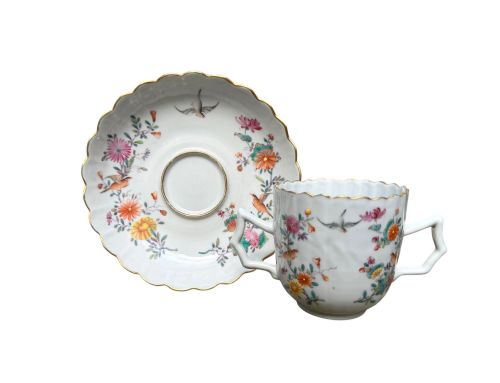
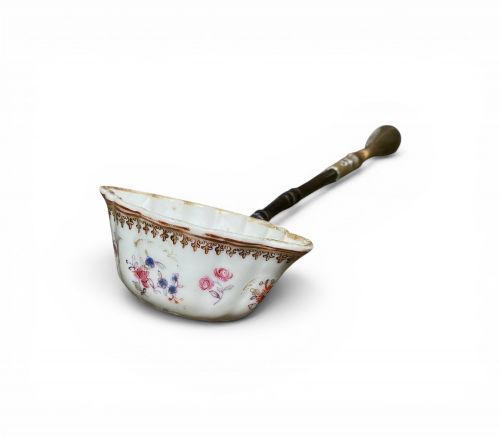
Pieces span utilitarian vessels like mugs, teacups, saucers, and tureens alongside sculptural figures, incense burners, and armorial services bearing European coats of arms. Many items carry specific reign marks or stylised export decorations developed during the mid-to-late eighteenth century.
How qianlong porcelain was made
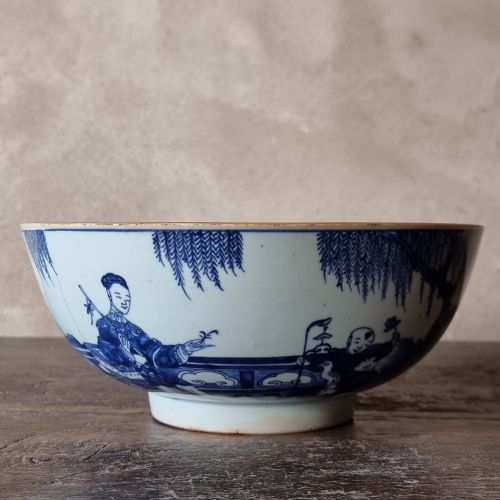
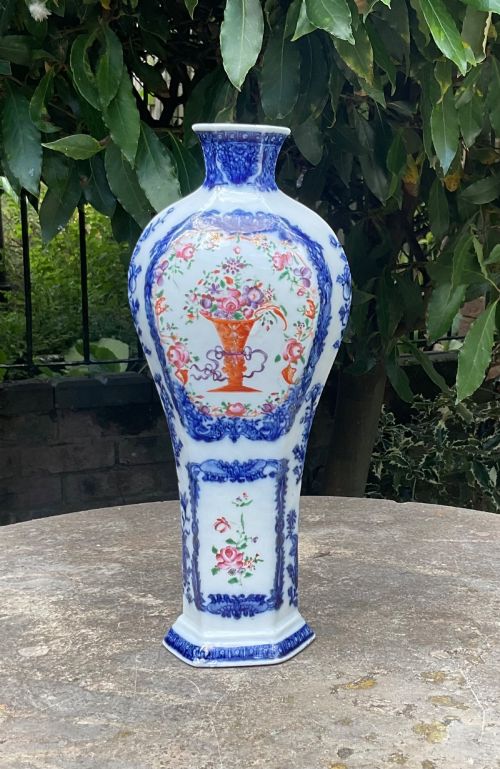
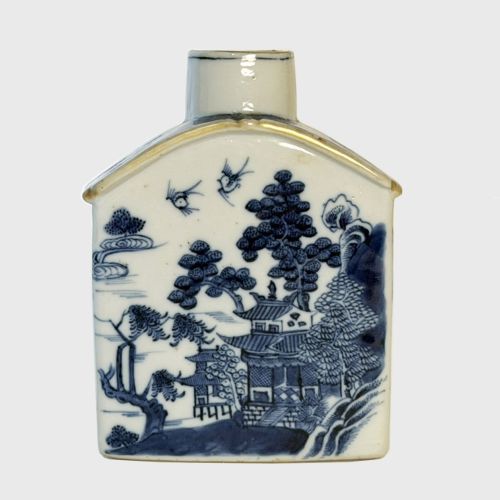
Potters utilised hard-paste porcelain formed from refined ceramic clay and petuntse, fired at high temperatures to achieve dense, impermeable bodies. Surfaces received underglaze cobalt pigment before firing or intricate overglaze enamel painting using famille rose palettes, gold leaf, and coloured glazes.
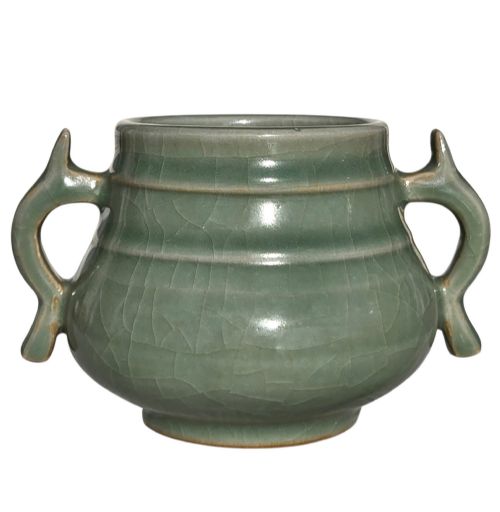
Specialised techniques produced monochrome surfaces, crackle glazes in the Song style, and moulded relief details. Artisans applied enamels meticulously over the fired glaze before a secondary, lower-temperature firing fixed the polychrome decoration.
Qianlong Porcelain Retail Price Guide 2026
Typical asking prices for qianlong porcelain among the pieces listed under this phrase on Sellingantiques today, from the lower quarter to the upper quarter. They describe what is for sale here now, not the wider market.
Current listings feature eighteenth-century porcelain alongside nineteenth-century dynastic pieces and twentieth-century European interpretations.
What varies in quality
The distinction between standard export items and imperial-taste commissions lies in the precision of the potting and the nuance of the hand-painted decoration. Imperial pieces display controlled brushwork, superior pigment purity, and sophisticated glazing effects such as flambé or crackle finishes.
Form complexity and decorative restraint also signal quality, where finely balanced proportions and harmonious enamel palettes elevate a vessel beyond commercial production standards.
The Qianlong Porcelain Glossary
- Famille Rose
- A palette of opaque overglaze enamels dominated by pink or rose colours, introduced during the Qing dynasty. This technique allowed for nuanced shading and detailed pictorial scenes.
- Chinese Export
- Porcelain manufactured in China specifically for Western markets, often incorporating European armorials, shapes, or maritime themes alongside traditional motifs.
- Underglaze Blue
- Cobalt pigment applied directly to the ceramic body before glazing and firing, producing a durable blue design beneath a clear glossy layer.
- Armorial
- Ceramic tableware decorated with European family coats of arms, commissioned by noble or wealthy merchant families via trade ports.
- Celadon
- A transparent jade-green glaze applied over a white clay body, valued for its subtle tone and tactile resemblance to polished stone.
Qianlong Porcelain: Frequently Asked Questions
What is qianlong porcelain?
Qianlong porcelain refers to ceramics made during the reign of the Qianlong Emperor in the eighteenth century. These pieces encompass imperial wares and export goods noted for technical mastery.
The category includes plates, bowls, vases, and figures decorated with enamels, underglaze blue, or monochrome glazes.
How do I identify qianlong periods?
Period identification relies on stylistic markers, potting techniques, and specific reign marks applied in underglaze blue or enamel. Eighteenth-century pieces exhibit distinct paste textures and hand-painted enamel depth.
Later revival pieces or European interpretations from the twentieth century often reveal different weight, glaze consistency, and potting methods.
How was armorial porcelain used?
Armorial porcelain served as high-status dining ware for European nobility and wealthy merchants who commissioned custom dinner services from Chinese export kilns. These sets displayed family crests alongside traditional oriental borders.
Families used these impressive tablewares to signal social standing and global connections during formal feasts.
How do I care for antique porcelain?
Antique porcelain requires gentle handling and careful placement away from direct sunlight or sudden temperature changes. Cleaning is best done manually using lukewarm water and mild soap without abrasive materials.
Display items securely on stable surfaces to protect delicate rims and handles from accidental impact.